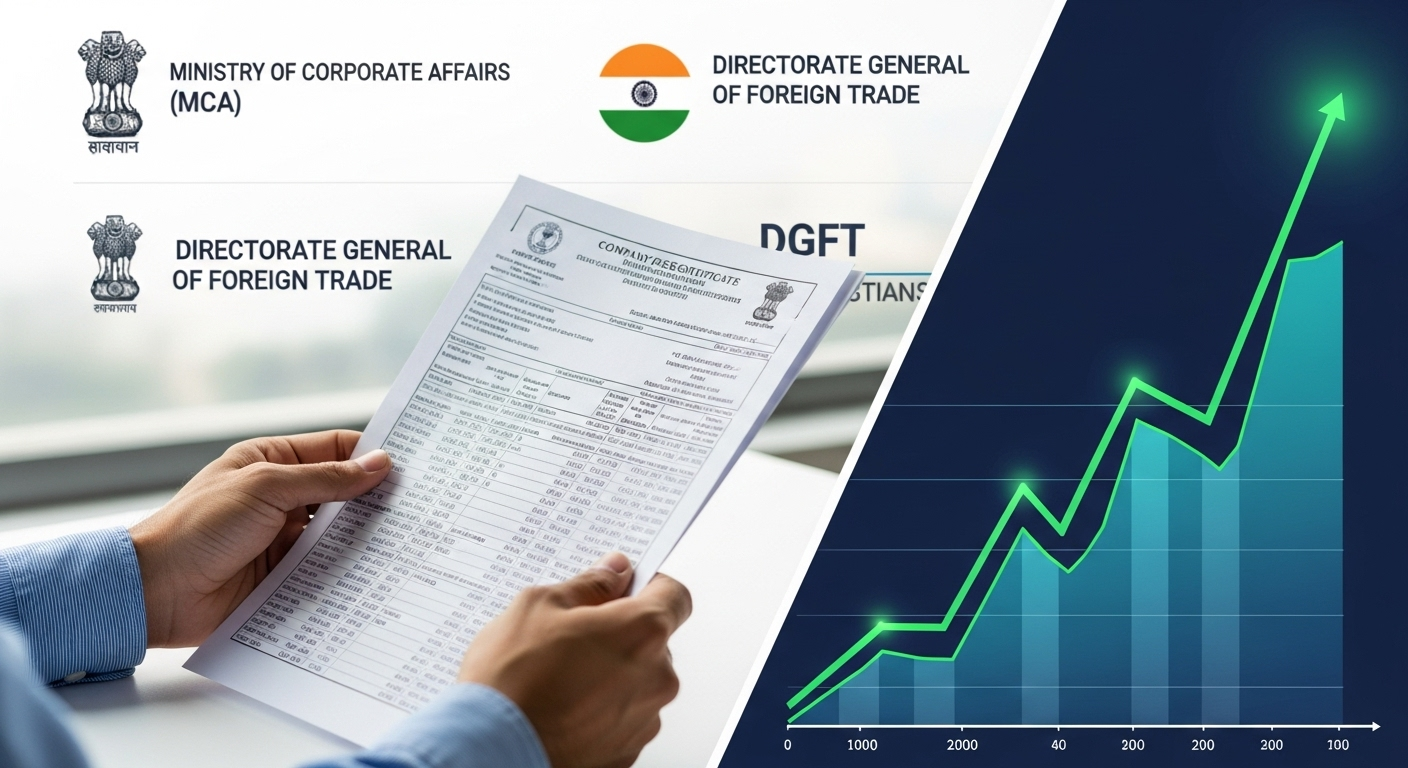

exporter verification benefits

Why Verification Saves Exporters Millions.

Exporter Verification: 3 Ways to Save Millions on Trade Fraud

Introduction: The Hidden Cost of Trust in Global Trade

For Indian exporters, the global market offers unprecedented growth opportunities. However, every international handshake carries a hidden cost: risk. A single large export deal gone wrong—due to fraud, non-payment, or a baseless cargo rejection—can instantly wipe out the profits earned from a dozen successful transactions. The financial exposure in international trade is often in the millions.

This is why verification is not just an administrative step; it is a critical financial defense mechanism. Platforms like The Exporter Hub prioritize connecting verified parties because they recognize that trust must be earned through documented due diligence. This article breaks down the three crucial ways robust verification saves exporters potentially millions in losses, litigation, and lost time.


1. Defense Against Fraud and Non-Payment (Saving Credit Risk Millions)

The most immediate and catastrophic loss for any exporter is non-payment. This risk is primarily mitigated by verifying the Importer (Buyer). Fraudulent activity often exploits the trust required in international transactions, such as promising secured payments (like Letters of Credit) that turn out to be fake, or simply disappearing after receiving goods shipped on an open account basis.

How Verification Saves Money:

  • Financial Vetting: Verification involves checking the financial stability, credit history, and regulatory standing of the importer. By ensuring the buyer has the fiscal capacity and proven history of paying debts, the exporter avoids engaging with financially weak or malicious entities.
    • Saving: A $100,000 shipment lost to fraud requires $100,000 in revenue to cover the loss. Verification prevents this direct write-off.
  • Licensing and Registration: Confirmation of the buyer’s valid Import Export Code (IEC), business registration, and required operational licenses in their home country minimizes the risk of the goods being legally detained or rejected due to the buyer’s non-compliance.
  • Vetting on Platforms: When an Indian exporter (like Shiv’s Assets Group) connects with an importer via a verified platform like The Exporter Hub, they receive an initial layer of assurance that the counterparty has passed identity and basic financial checks, elevating trust above a cold email lead.

2. Mitigating Quality Disputes and Rejection Costs (Saving Operational Millions)

While payment fraud is a direct hit, operational losses due to disputes over quality or quantity can be equally devastating, particularly when dealing with bulk goods or building materials (like AAC Blocks or TMT Bars).

Verification is a Two-Way Shield:

  • Supplier (Exporter) Verification: Exporters dealing with large international buyers are often subjected to factory audits, capacity checks, and quality management system (QMS) reviews.Exporters who have already been verified for their capacity, quality control, and ethical sourcing stand a much better chance of winning high-value contracts. This pre-verification saves the exporter the cost and time of repeated buyer audits.
    • Saving: Pre-verification minimizes the risk of a buyer later rejecting an entire shipment due to quality issues, which triggers astronomical costs (return freight, customs penalties, storage fees, and disposal costs—often exceeding the value of the goods themselves).
  • Specification Clarity: Verified companies often have standardized documentation and clear quality management processes. This reduces ambiguity, a primary cause of multi-million dollar trade disputes and subsequent litigation.

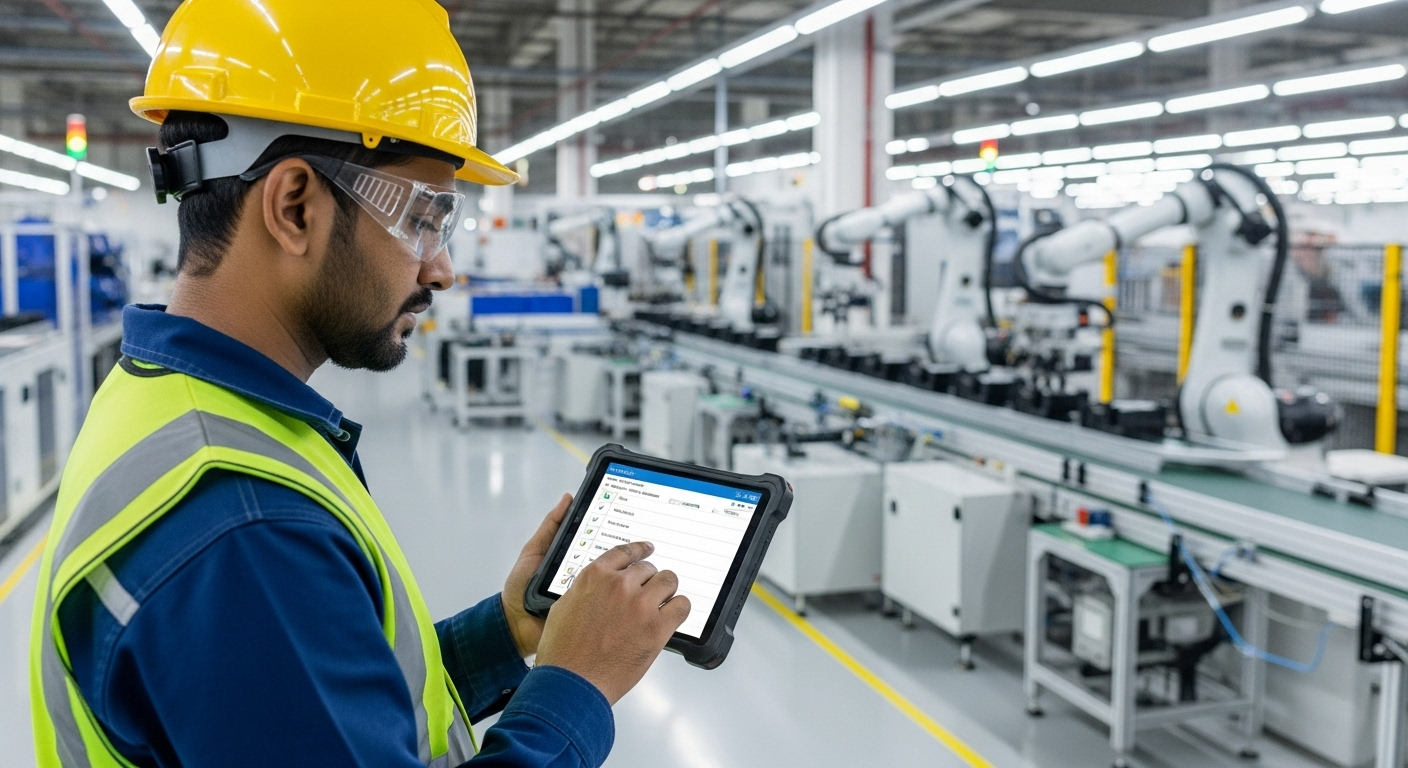
exporter verification benefits

3. Reducing Litigation, Arbitration, and Opportunity Costs (Saving Time and Future Millions)

Legal disputes in international trade are notoriously expensive, complex, and slow. Arbitration in a foreign jurisdiction can cost tens of thousands of dollars just in initial legal fees, plus months or years of lost management focus.

Verification Acts as an Insurance Policy:

  • Legal Standing Check: Verifying the legal standing and structure of the counterparty ensures that if a dispute does arise, the exporter is dealing with a legitimate entity that can actually be sued or subjected to arbitration, rather than a shell company.
  • Reputation Protection: Verification helps maintain the exporter’s reputation. Avoiding a buyer known for non-compliance prevents the exporter from becoming collateral damage in an import customs investigation, thus protecting future licensing and trade opportunities.
    • Saving: Avoiding one protracted legal dispute that costs $50,000 in fees and 300 hours of management time translates into significant savings and allows the company to focus on profitable activities.

The Exporter Hub: Making Verification Standard

The platform’s model, which connects verified exporters (like those in the Indian manufacturing sector) with reliable importers, is fundamentally designed around this financial imperative. By registering and completing the verification process, an exporter is not just getting a badge; they are building a demonstrable financial credibility profile that attracts high-value, low-risk clients.

In an industry where margins are often tight, protecting those margins from catastrophic failure is the key to sustainable growth. Verification is the single best investment an exporter can make to secure their financial future and save potentially millions in unnecessary loss.

Source : www.federalregister.gov , www.ejetprocurement.com, TIC
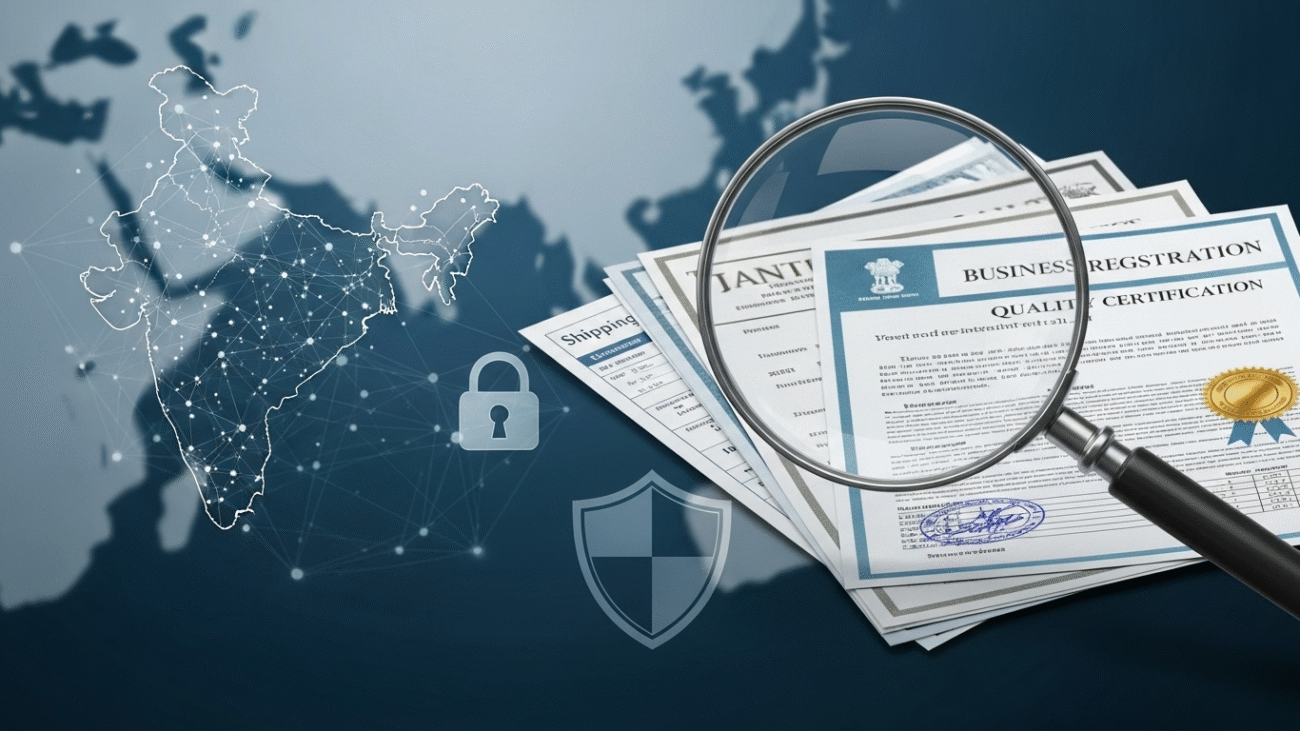
due diligence Indian exporters

How to Conduct Due Diligence on Indian Exporters: Avoiding Scams and Ensuring Quality

Due Diligence Indian Exporters: Avoid Scams, Ensure Quality

Introduction: The Indispensable Role of Due Diligence in Indian Sourcing

Due diligence is not merely a formality; it’s your most potent weapon against fraudulent suppliers, inconsistent quality, and costly delays. It’s an investment in the security and profitability of your supply chain. This comprehensive guide will equip importers with the actionable strategies and tools needed to conduct thorough due diligence on Indian exporters, effectively mitigating risks and ensuring you partner with only the most reliable and quality-focused suppliers.

The Indispensable Role of Due Diligence in Indian Sourcing

India’s vibrant export market presents incredible opportunities for global importers, offering a vast array of competitively priced, high-quality products from electronics and pharmaceuticals to robust building materials like AAC blocks and TMT bars. However, as with any global market, the potential for pitfalls exists. The critical distinction between a successful, long-term partnership and a costly mistake lies in the rigor of your due diligence.

While basic credential checks are essential (as discussed in our previous guide, “7 Steps to Vetting Indian Suppliers“), due diligence delves deeper into the legal and financial health of the exporter.

1. Deep Dive into Business Registration & Compliance
Creditworthiness and Financial Stability Assessment
  • ROC Search (Registrar of Companies): For companies registered under the Companies Act, an MCA (Ministry of Corporate Affairs) search can reveal crucial information. This includes the company’s incorporation date, authorized capital, paid-up capital, list of directors (and their other directorships), financial filings (balance sheets, profit & loss statements), and any charges or liens against the company’s assets. This paints a detailed picture of their financial history and legal structure.
  • Tax Compliance & History: Beyond just a GSTIN, investigate their tax filing consistency. While directly accessing tax records might be difficult, a reputable supplier should be able to provide audited financial statements for the last 2-3 years, which will reflect their tax payments and overall financial health.
  • Regulatory Clearances: Depending on the product, specific regulatory clearances might be needed. For example, food products require FSSAI (Food Safety and Standards Authority of India) licenses, pharmaceuticals require drug licenses, and certain chemicals need environmental clearances. Verify these specific, sector-mandated licenses.
2. Creditworthiness and Financial Stability Assessment
  • Bank References: Request bank references, which can offer an official, albeit often general, statement about their financial standing and credit reputation.
  • Credit Rating Agencies: In India, agencies like CRISIL, ICRA, and CARE Ratings provide credit ratings for businesses. While primarily for domestic lenders, some exporters might have these ratings, indicating an independent assessment of their financial health.
  • Litigation and Legal History: A crucial, often overlooked, aspect. Public court records can sometimes reveal if the company or its directors have been involved in significant litigation, especially concerning fraud, breach of contract, or quality disputes. Third-party risk assessment firms often specialize in this.

Phase 2: Operational & Quality Assurance – Beyond the Factory Floor

Due diligence extends past just seeing if a factory exists; it’s about understanding their operational excellence and commitment to consistent quality.

Supply Chain Transparency and Ethical Sourcing
3. In-depth Factory Audit and Production Capabilities
  • Beyond a Basic Walkthrough: A comprehensive factory audit (preferably by a neutral third party) should assess:
    • Production Capacity: Can they meet your order volume and scale up if needed? Is there excess capacity that suggests they are eager for business, or are they constantly running at peak, risking delays?
    • Machinery & Technology: Are the machines modern, well-maintained, and suitable for your product’s precision requirements (e.g., specific tolerances for TMT bars)?
    • Quality Management System (QMS): How robust is their ISO 9001 implementation? Do they have dedicated QC staff? What are their inspection points (incoming raw materials, in-process, final product)?
    • Raw Material Sourcing: What is their raw material procurement process? Do they have multiple approved suppliers? Do they conduct incoming material inspections? This is especially critical for products like building materials where raw material quality directly impacts the final product.
    • Workforce & Training: Assess the skill level of their workforce and the training programs in place. Happy, skilled workers often correlate with consistent quality.
4. Supply Chain Transparency and Ethical Sourcing
  • Sub-Supplier Verification: Does the exporter rely heavily on sub-suppliers for components or processes? If so, your due diligence needs to extend to these sub-suppliers, as their failures can impact your final product.
  • Ethical Compliance (Social Audit): A social audit verifies compliance with labor laws, working conditions, fair wages, child labor prohibition, and environmental regulations. This is increasingly important for brand reputation and consumer trust, especially in industries like textiles or manufacturing.
  • Environmental Responsibility: What are their waste management practices, energy consumption, and environmental certifications? This is crucial for sustainable sourcing and compliance with international environmental standards.

Phase 3: Market Reputation & Risk Mitigation – The External View

Finally, assess how the exporter is perceived by others and what measures are in place to protect your interests.

Secure Payment Mechanisms and Trade Insurance
5. Market Reputation & Reference Checks
  • Contact References: Ask for at least 3-5 international client references. Don’t just email them; conduct actual phone calls to ask specific questions about the supplier’s reliability, quality consistency, communication, and problem-solving abilities.
  • Online Presence & Reviews: Scrutinize their website, social media presence, and any industry forums or B2B platforms where they are listed. Look for consistent messaging and professional presentation. Be wary of generic websites with stock photos and no verifiable contact information.
  • Industry Association Verification: Check with relevant Indian Export Promotion Councils (like EEPC India for engineering goods, TEXPROCIL for textiles) or industry chambers to confirm their membership and reputation within the community.
6. Contractual Safeguards and Dispute Resolution
with bikini & get shiirtless on beach with confidence
  • Comprehensive Contract: A robust contract is your ultimate safeguard. It must clearly define:
    • Product Specifications: Detailed, measurable standards (e.g., tensile strength for TMT bars, dimensions for AAC blocks).
    • Quality Control Procedures: Who performs inspections, at what stages, and what are the acceptance criteria (AQL).
    • Payment Terms: Clear milestones tied to production and inspection.
    • Delivery Schedule & Penalties: Specific dates and what happens if deadlines are missed.
    • Warranty & Returns: What guarantees are offered, and the process for defective goods.
    • Dispute Resolution: Arbitration clause (e.g., under ICC rules or Indian Arbitration Act), governing law, and jurisdiction.
  • Performance Guarantees: For large contracts, consider requesting a Performance Bank Guarantee from their bank, which can be invoked if the supplier fails to meet contractual obligations.
7. Secure Payment Mechanisms and Trade Insurance
  • Letter of Credit (L/C): As highlighted previously, an L/C (especially an irrevocable L/C confirmed by a reputable bank in your country) is the safest payment method for initial large orders. It ties payment directly to the presentation of conforming documents, protecting you against non-shipment or non-conformity.
  • Trade Credit Insurance: Consider insuring your payment against political risks, commercial insolvency of the buyer, or other unforeseen events. This is especially relevant for large credit lines.
  • Pre-Shipment Inspection (PSI): Always mandate a third-party PSI before final payment. This ensures the goods meet specifications before they leave the Indian port.

Conclusion: Due Diligence as Your Competitive Edge

Conducting thorough due diligence on Indian exporters is an intensive, multi-layered process, but it is unequivocally worth the effort. It transforms uncertainty into confidence, minimizes financial exposure, and lays the groundwork for enduring, profitable partnerships. By meticulously verifying legal standing, auditing operational capabilities, assessing market reputation, and implementing robust contractual and payment safeguards, you move beyond mere transactions to build a truly resilient and high-quality supply chain from India.

For importers leveraging platforms like TheExporterHub.com, these due diligence steps are not just advisable—they are essential for securing your success in the competitive global trade arena. Start your journey with confidence, armed with knowledge and the power of thorough verification.