CIF Incoterm 2020 explained

CIF Incoterm 2020: The Essential Rule for Insured Sea Freight

CIF Incoterm 2020 Introduction: Convenience Meets Security on the Ocean

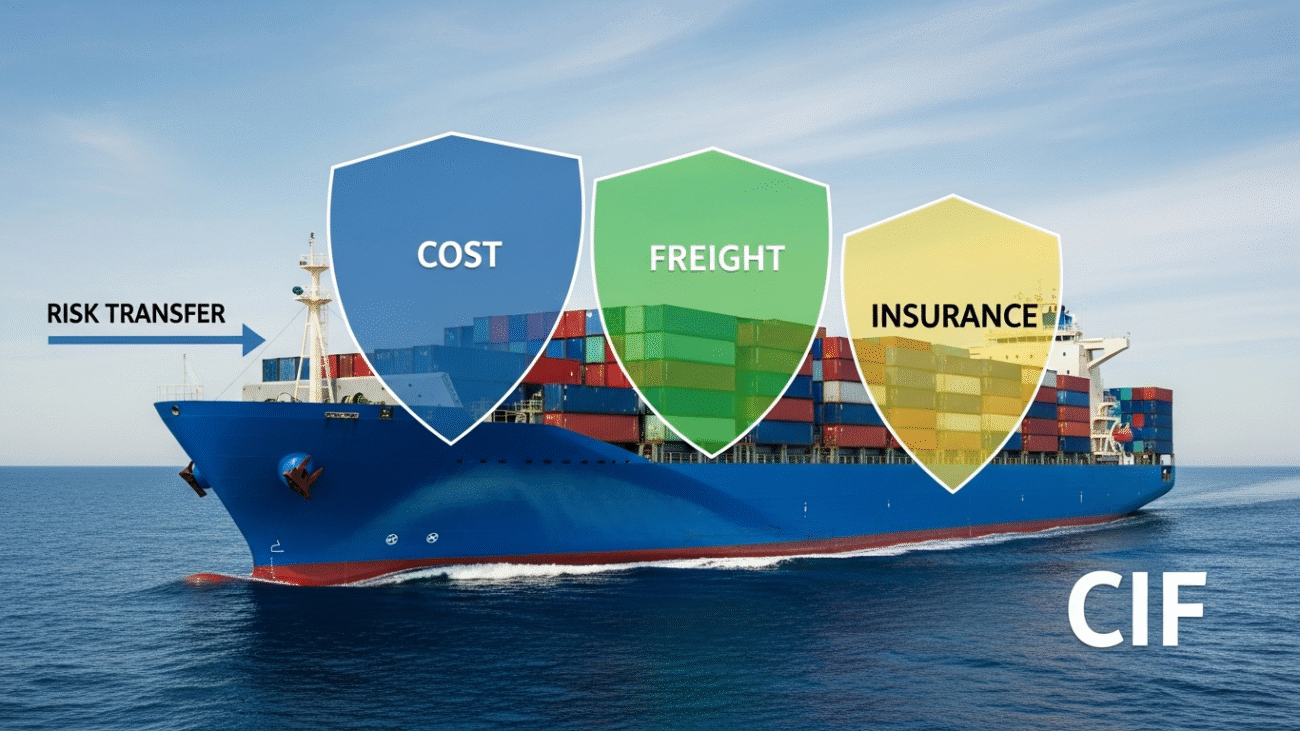
CIF (Cost, Insurance, and Freight) is one of the most recognizable and widely used Incoterms in global sea trade. Like its sister rule, CFR, CIF requires the seller (exporter) to pay the freight cost up to the named port of destination. However, the critical difference—and what makes CIF so popular with buyers—is the added, mandatory obligation for the seller to procure marine insurance on the buyer’s behalf.

CIF is used strictly for sea and inland waterway transport and is a reliable choice for importers on TheExporterHub.com who want a fixed cost that includes shipping and insurance up to the destination port, while the exporter handles the often-complex logistics and documentation from origin.


1. What is CIF (Cost, Insurance, and Freight) Incoterm 2020?

Under the CIF Incoterm, the seller fulfills their delivery obligation when the goods are:

  1. Placed on board the vessel at the port of shipment.
  2. Cleared for export in the country of origin.
  3. The seller has secured and paid for marine insurance covering the main voyage.

Transfer of Cost and Risk

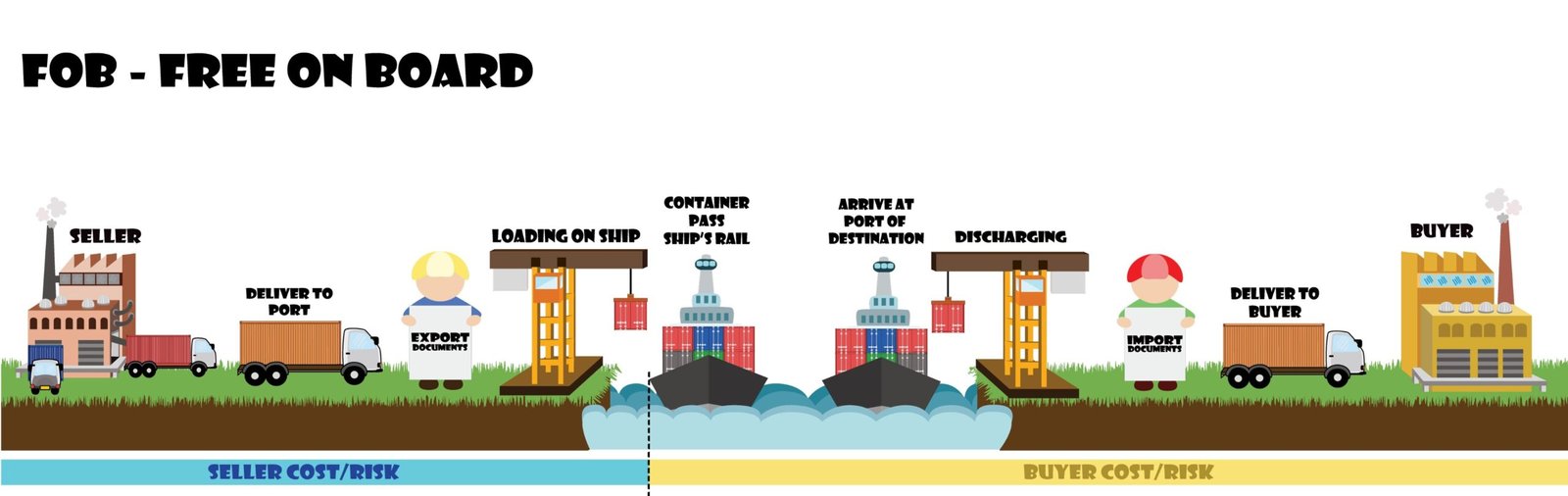
  • Risk Transfer: The risk of loss or damage transfers from the seller to the buyer when the goods are placed on board the vessel at the port of shipment (same as FOB and CFR).
  • Cost Transfer: The seller pays for the freight and insurance up to the named port of destination.

The buyer assumes the risk of the voyage, but is compensated because the seller has purchased insurance on their behalf.
What is CIF (Cost, Insurance, and Freight) Incoterm 2020?

2. The Insurance Obligation: Clause C (Minimum Cover)

The insurance requirement under CIF is mandatory, but the level of coverage is standardized by the Incoterms® 2020 rule:

  • Minimum Coverage: The seller must obtain insurance that complies with the Institute Cargo Clauses (C) or similar clauses.
  • Clause C provides the lowest level of coverage (e.g., covering major incidents like sinking, fire, or grounding of the vessel).
  • Coverage Value: The insurance must be for at least 110% of the contract price (including the cost of the freight) in the currency of the contract.

CIF vs. CIP: Insurance Level Matters

Importers of high-value goods should be aware of the difference between CIF and the multimodal rule CIP:

  • CIF (Sea Only): Seller must procure Clause C (minimum coverage).
  • CIP (Multimodal): Seller must procure Clause A (all-risks coverage).

If an importer requires comprehensive (‘all-risks’) insurance for goods shipped by sea, they must explicitly agree with the seller in the contract to upgrade the CIF insurance from Clause C to Clause A.

with bikini & get shiirtless on beach with confidence

3. Exporter and Importer Responsibilities

CIF requires the exporter to manage and pay for almost everything up to the destination port, except for the risk management itself, which is handled via insurance.

ResponsibilityExporter (Seller) under CIFImporter (Buyer) under CIF
Delivery & RiskBears all risk and cost until goods are on board the vessel.Assumes risk from the moment goods are on board until final delivery.
Export ClearanceResponsible for all export formalities.Not responsible.
Main CarriageMust arrange and pay for the carriage to the destination port.Not responsible for arranging payment.
InsuranceMANDATORY: Must procure minimum Clause C insurance for the buyer.Pays the premium indirectly (built into the price) and is the beneficiary of the policy.
Unloading & Import ClearanceNot responsible for unloading at the destination port or import customs.Responsible for all destination terminal handling charges (THC), unloading, import duties, and taxes.

4. Conclusion: When to Use CIF

CIF is the definitive choice for sea-only trade when the seller has better access to freight and insurance rates, and the buyer wants the convenience of an inclusive price up to the destination port.

  • Use CIF when:
    1. Shipping non-containerized goods, bulk commodities, or vehicles (as it is a sea-only rule).
    2. The buyer requires the seller to provide mandatory insurance coverage.
    3. The seller can secure competitive freight and insurance deals and wishes to offer a simple, comprehensive quote.

As with FOB and CFR, CIF should be avoided for containerized cargo. For goods shipped in containers, CIP is the recommended multimodal alternative, as it aligns the risk transfer point correctly and mandates higher insurance coverage (Clause A).
CFR Incoterm 2020 explained

CFR Incoterm 2020: Where Cost and Risk Split in Sea Trade

CFR Incoterm 2020 Introduction: Balancing Service and Liability

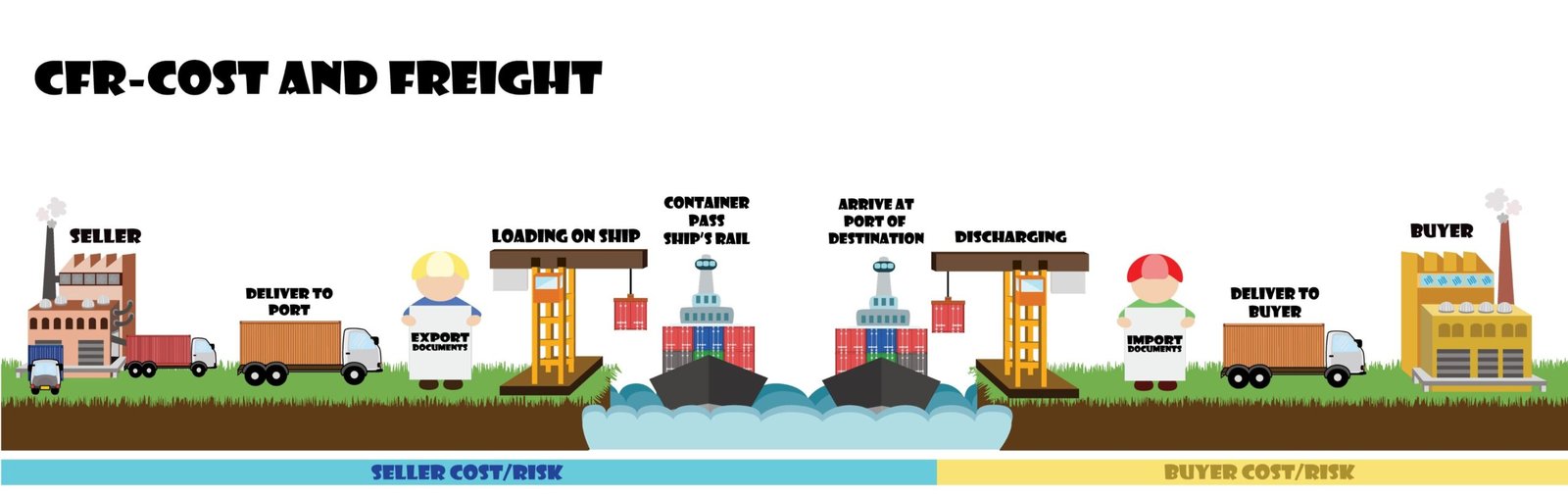
The CFR (Cost and Freight) Incoterm is a traditional sea-only rule that offers the importer (buyer) the convenience of prepaid freight up to the port of destination, while simultaneously placing the responsibility for transit risk squarely on the buyer much earlier in the journey.

CFR is widely used, particularly for non-containerized cargo, bulk commodities, and heavy industrial goods shipped via conventional ocean freight. It is a natural step up from FOB for exporters on platforms like TheExporterHub.com who want to offer a more inclusive, competitive price that covers the cost of international shipping.


1. What is CFR (Cost and Freight) Incoterm 2020?

Under the CFR Incoterm, the seller (exporter) has two main responsibilities regarding the shipment:

  1. Cost Responsibility: The seller must contract and pay for the main carriage (freight) required to bring the goods to the named port of destination.
  2. Delivery/Risk Responsibility: The seller delivers the goods when they are placed on board the vessel at the port of shipment.

The Defining Feature: The Split

The core principle of CFR is the two-point transfer, similar to CPT:

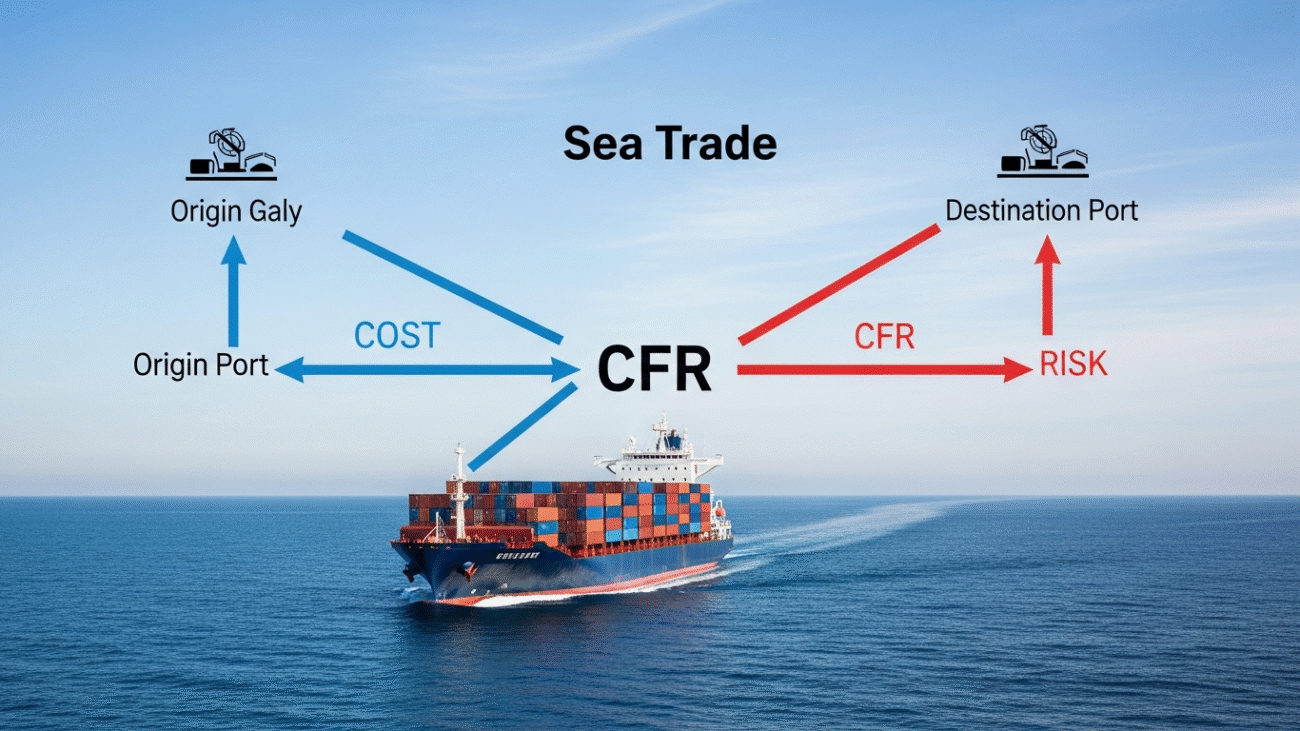
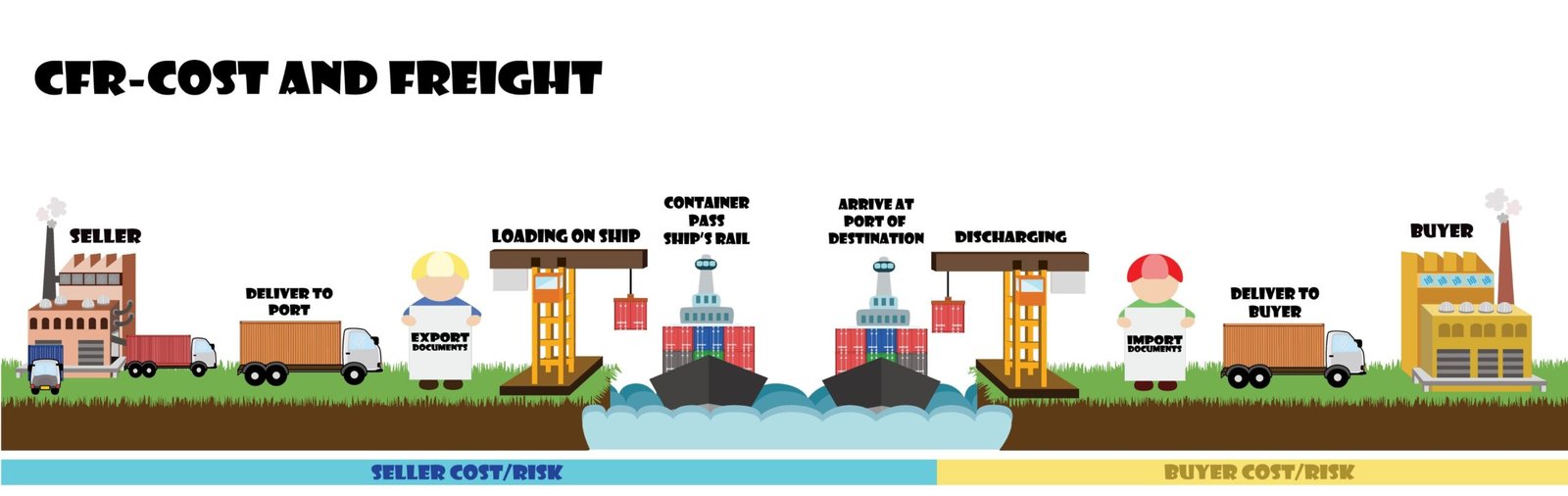
  • Risk Transfer: The risk of loss or damage transfers from the seller to the buyer when the goods are placed on board the vessel at the port of shipment (same as FOB).
  • Cost Transfer: The seller pays for the freight up to the named port of destination.

This means that while the seller pays the hefty international shipping bill, the buyer owns the risk for the entire voyage and must purchase insurance to protect their cargo.

What is CFR (Cost and Freight) Incoterm 2020?

2. CFR vs. FOB: The Cost Distinction

The relationship between CFR and FOB is simple: CFR = FOB + Freight.

  • FOB: The seller’s obligation ends when the goods are on board. The buyer pays the main freight.
  • CFR: The seller’s obligation still ends when the goods are on board (for risk transfer), but the seller also pays the main freight to the destination port.

For the importer, the CFR price is simply a higher, more inclusive price than the FOB price, giving them a clear view of the total cost up to the destination port.

3. CFR vs. CIF: The Insurance Distinction

CFR and CIF (Cost, Insurance and Freight) are also closely related. The only difference is insurance:

  • CFR: The seller pays for cost and freight, but insurance is not mandatory (the buyer must arrange it).
  • CIF: The seller pays for cost and freight AND must procure mandatory minimum insurance cover for the buyer.

For buyers, if transit risk is a major concern, choosing CIF over CFR is generally advisable, as it ensures the cargo is protected.

with bikini & get shiirtless on beach with confidence

4. Exporter and Importer Responsibilities

CFR places significant logistical responsibility on the seller, but requires the buyer to manage risk and terminal costs.

ResponsibilityExporter (Seller) under CFRImporter (Buyer) under CFR
Delivery & RiskBears risk and cost until goods are on board the vessel.Assumes risk from the moment goods are on board until final delivery.
Export ClearanceResponsible for all export formalities.Not responsible.
Main CarriageMust arrange and pay for the carriage to the destination port.Not responsible for arranging payment, but assumes risk during transit.
Unloading & Terminal FeesNot responsible for unloading or fees at the destination port (unless these are included in the freight contract).Typically responsible for destination terminal handling charges (THC), unloading, and onward transport.
InsuranceNo obligation.MANDATORY: Must purchase insurance to cover the goods for the entire voyage.
Import ClearanceNot responsible.Responsible for all import formalities, duties, and taxes at the destination.

5. Conclusion: When to Use CFR

CFR is an excellent choice when the exporter (seller) has superior access to competitive freight rates and wants to offer the importer a single, comprehensive price up to the port of arrival.

  • Use CFR when:
    1. Shipping bulk cargo or non-containerized goods (as it is a sea-only rule).
    2. The seller has better bulk freight contracts and can pass the savings to the buyer.
    3. The buyer wants to control the insurance contract (perhaps they have a floating policy) but prefers the convenience of prepaid shipping.

However, like FOB, CFR should not be used for containerized cargo; the multimodal rule CPT should be used instead, as the risk transfer point (to the first carrier) better reflects container logistics.

FOB Incoterm 2020 meaning

FOB Incoterm 2020: The King of Sea-Only Trade Rules

FOB Incoterm 2020 Introduction: The Most Recognized Incoterm

FOB (Free On Board) is the most famous Incoterm in international trade. It is the gold standard for many traditional commodity trades and is highly favored by importers because it gives them full control over the main carriage freight and insurance—the most expensive parts of the journey.

Like FAS, FOB is strictly restricted to sea and inland waterway transport. The rule is clear: the seller (exporter) bears the cost and risk of the goods until they are physically loaded on board the vessel at the named port of shipment. This guide explains this defining moment and why it’s crucial to use FOB correctly on platforms like TheExporterHub.com.


1. What is FOB (Free On Board) Incoterm 2020?

Under the FOB Incoterm, the seller fulfills their delivery obligation when the goods are:

  1. On board the vessel.
  2. At the named port of shipment.
  3. Cleared for export from the origin country.

Transfer of Cost and Risk

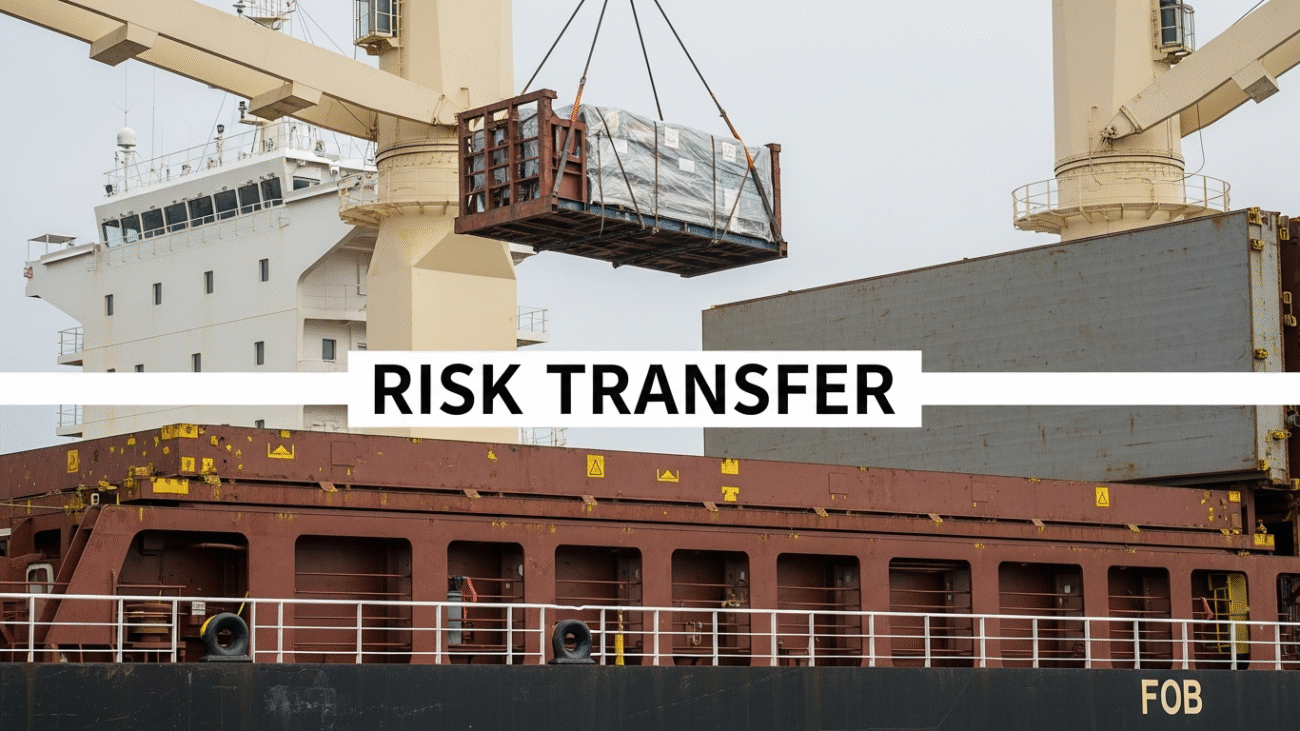
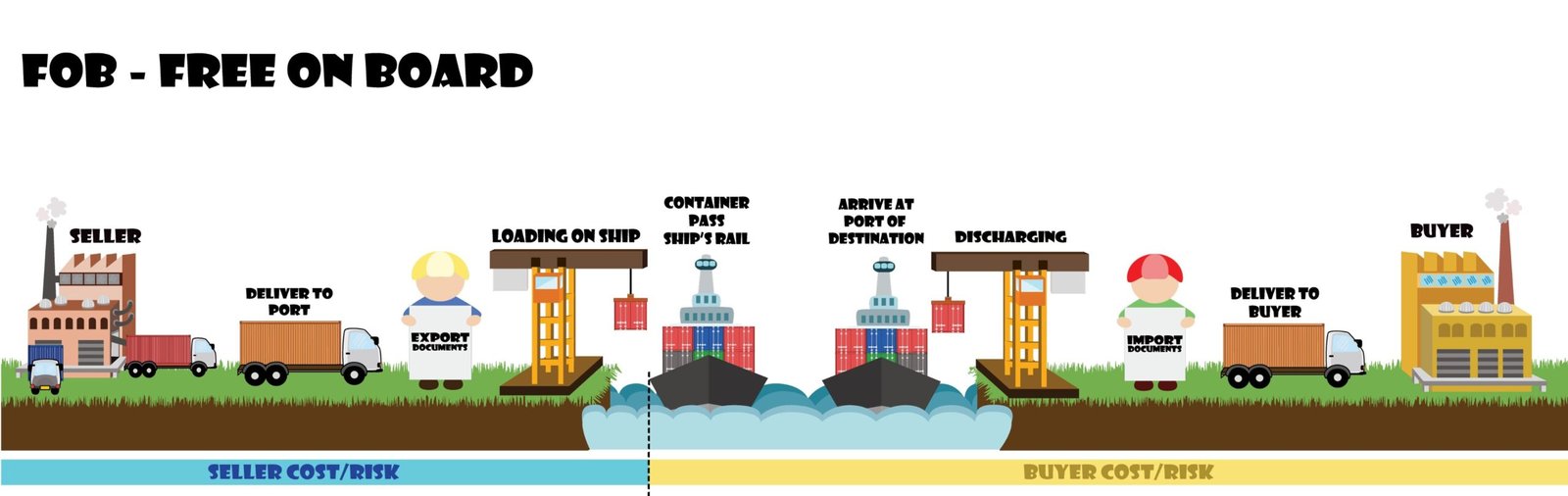
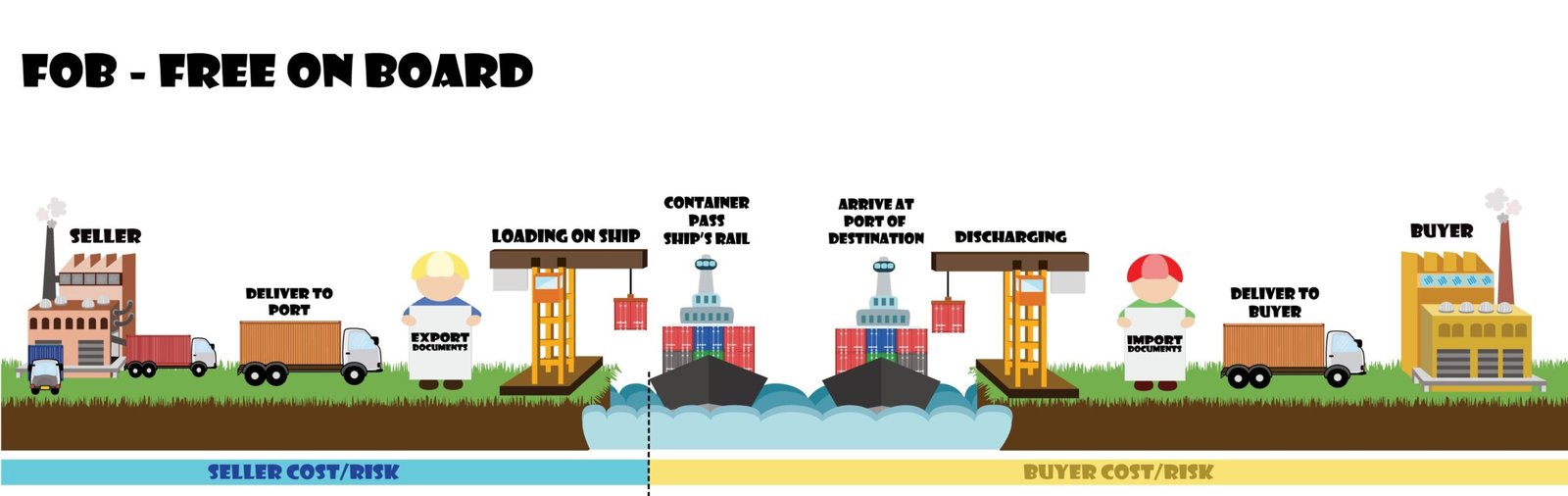
  • Risk Transfer (The Defining Moment): Both the risk of loss or damage and the transfer of costs shift from the seller to the buyer when the goods are placed on board the vessel.
  • Exporter’s Responsibility: The seller handles all costs and risks until the goods pass over the ship’s rail and are successfully loaded. This includes local transport, delivery to the port, export clearance, and the loading costs.
  • Importer’s Responsibility: The buyer assumes all risk and costs from the moment the goods are on board. This includes main carriage, insurance, and all costs from the port of destination onwards (unloading, import clearance, local delivery).
Transfer of Cost and Risk

2. The Shift in Risk: On Board the Vessel

The key responsibility shift under FOB is the physical act of loading.

  • Under FAS: The buyer handles the cost and risk of loading.
  • Under FOB: The seller handles and pays for the cost and risk of loading the goods onto the ship.

Once the goods are secured on the ship, the seller’s obligation ends, and the buyer assumes responsibility for everything, including contracting the main carrier (the ship itself) and acquiring insurance to cover the long voyage.

with bikini & get shiirtless on beach with confidence

3. Why FOB is Often Misused for Containers

As with FAS, FOB is often misused for containerized cargo, which is typically transported via multimodal means.

  • The Problem: For containers, the goods are delivered to the port terminal days before the ship arrives. The seller loses control when the container is dropped off at the yard, not when it’s loaded onto the ship (the risk transfer point).
  • The Risk Gap: If the container is damaged while sitting in the port terminal yard, the risk—according to the strict definition of FOB—still technically lies with the seller, even though the seller cannot control the goods once they are gated in.

Industry Advice: Because FOB defines risk transfer by the physical act of loading onto the vessel, it should only be used for bulk cargo, loose cargo, or heavy machinery where the seller can directly observe and control the goods until they are loaded. For all containerized goods, use FCA.


4. Exporter and Importer Responsibilities

FOB is a traditional “F-Term,” emphasizing the buyer’s control over the main, international part of the journey.

ResponsibilityExporter (Seller) under FOBImporter (Buyer) under FOB
Delivery & RiskBears all risk and cost until goods are on board the vessel.Assumes risk from the moment goods are on board the vessel.
Export ClearanceMANDATORY: Must obtain export licenses and handle all export formalities.Not responsible.
LoadingMANDATORY: Must arrange and pay for the cost and risk of loading onto the vessel.Not responsible.
Main CarriageNot responsible for contracting or paying for the main freight.MANDATORY: Must contract and pay for the main carriage.
InsuranceNot responsible for the buyer’s risk during carriage.Responsible for insuring the goods from the moment they are on board.

5. Conclusion: When to Use FOB

FOB remains an excellent and clear Incoterm for importers who have strong control over their ocean carrier contracts and can secure highly competitive freight rates. It is the preferred method for purchasing large quantities of commodities, minerals, or other non-containerized goods from Indian ports.

However, if you are an Indian exporter shipping manufactured goods in containers, offering FCA provides a clearer and more legally sound boundary for risk transfer, aligning responsibility with the actual logistics process.

FAS Incoterm 2020 explained

FAS Incoterm 2020: The Key Rule for Bulk Cargo Delivery

FAS Incoterm Introduction: The Term for Traditional Shipping

The FAS (Free Alongside Ship) Incoterm is a traditional rule primarily used for large, non-containerized goods, such as heavy machinery, grain (bulk commodities), timber, or large industrial equipment. It is one of the four rules strictly restricted to sea and inland waterway transport.

FAS is highly convenient for importers on TheExporterHub.com who specialize in purchasing raw materials or break-bulk cargo (goods shipped individually rather than in containers). Under FAS, the seller (exporter) takes on the cost and risk of getting the goods right up to the vessel, making it a natural choice when the buyer wants to control the main carriage contract.


1. What is FAS (Free Alongside Ship) Incoterm 2020?

Under the FAS Incoterm, the seller fulfills their delivery obligation when the goods are:

  1. Placed alongside the vessel (e.g., on the quay or a barge).
  2. At the named port of shipment.
  3. In the manner customary at that port.

Transfer of Cost and Risk

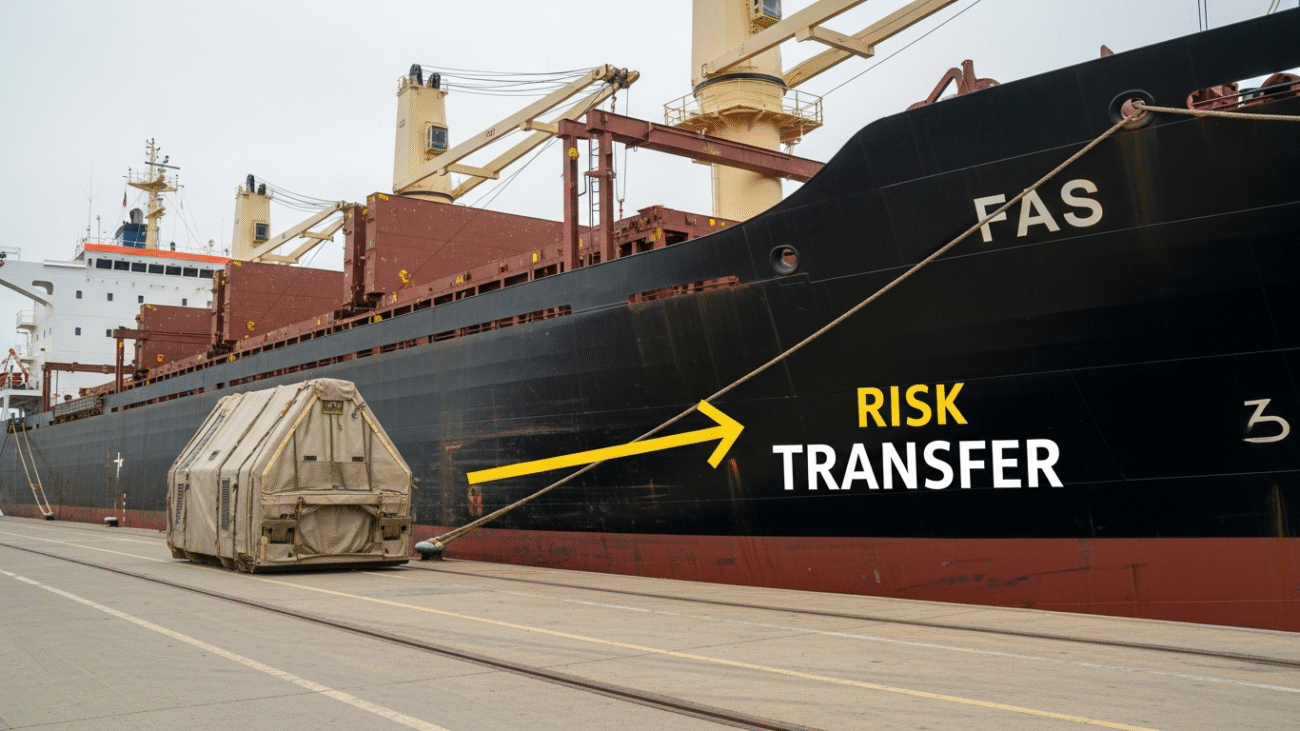
  • Risk Transfer: Both the risk of loss or damage and the transfer of costs shift from the seller to the buyer when the goods are placed alongside the vessel.
  • Exporter’s Responsibility: The seller handles all costs and risks until the goods are physically positioned next to the ship’s loading tackle. The seller is also responsible for Export Customs Clearance (a key difference from EXW).
  • Importer’s Responsibility: The buyer takes on the cost and risk from the moment the goods are alongside the ship, including the critical and often expensive step of loading the goods onto the vessel.

2. FAS is for Bulk, Not Containers

The FAS Incoterm should not be used for containerized cargo, and here’s why:

  • Container Logistics Reality: Containers are typically dropped off by the seller’s truck days before the ship arrives at a large, designated container terminal yard. They are not usually placed “alongside” a specific vessel. Once in the terminal stack, the seller loses all control.
  • Risk Misalignment: Since the goods are handed over early in the terminal, using FAS would incorrectly delay the transfer of risk until the theoretical point “alongside the ship,” long after the seller has lost control.

Industry Advice: For containerized goods, FCA (Free Carrier) is the appropriate rule to use, as the risk transfers much earlier at the container yard or forwarder’s warehouse, aligning with the modern logistics process.

3. Exporter and Importer Responsibilities

FAS is a traditional “F-Term,” meaning the seller delivers the goods, and the buyer pays the main freight.

ResponsibilityExporter (Seller) under FASImporter (Buyer) under FAS
Delivery & RiskBears all risk and cost until goods are placed alongside the vessel.Assumes risk from the moment the goods are alongside the vessel.
Export ClearanceMANDATORY: Must obtain export licenses and handle all export formalities.Not responsible.
LoadingNot responsible for loading the goods onto the vessel.MANDATORY: Must arrange and pay for the cost and risk of loading.
Main CarriageNot responsible for contracting or paying for the main freight.MANDATORY: Must contract and pay for the main carriage and subsequent costs.
InsuranceNot responsible for the buyer’s risk during carriage.Responsible for insuring the goods from the moment they are alongside the ship.
with bikini & get shiirtless on beach with confidence

4. FAS vs. FOB: The Loading Point Distinction

FAS and FOB are closely related and are the two Incoterms most relevant to the point of loading at the origin port:

  • FAS: Seller’s responsibility ends alongside the vessel. Buyer loads.
  • FOB: Seller’s responsibility ends on board the vessel. Seller loads.

When importing large, heavy cargo where the cost and risk of loading are substantial (e.g., using a specialized crane), FAS allows the buyer to retain control over that specific operation and its associated costs.

Conclusion: When to Use FAS

FAS is the essential Incoterm for the trade of non-containerized goods and bulk commodities where the loading operation is complex and often handled by the terminal or carrier contracted by the buyer. It allows the importer to centralize control over the main shipping logistics while ensuring the Indian exporter handles all necessary local transport and export clearance.

If you are shipping general merchandise in a container, stick to FCA. If you are shipping bulk grain, coal, or large pieces of equipment, FAS is the appropriate traditional rule.

DDP Incoterm 2020 explained

DDP Incoterm 2020: The Exporter’s Maximum Obligation Rule

DDP Incoterm 2020 Introduction: The ‘Zero-Hassle’ Incoterm

In the world of international trade, DDP (Delivered Duty Paid) represents the maximum service a seller (exporter) can offer. It is the exact opposite of EXW (Ex Works).

Under DDP, the exporter bears virtually all costs and risks required to bring the goods to the final named destination, including paying for the import duties, taxes, and customs clearance fees in the buyer’s country. For importers on TheExporterHub.com, DDP is the simplest rule, offering a true ‘landed cost’ without any hidden or unexpected charges. This is particularly common in B2C e-commerce, but also used in B2B trade when the buyer demands absolute predictability or is new to importing.


1. What is DDP (Delivered Duty Paid) Incoterm 2020?

Under the DDP Incoterm, the seller fulfills their delivery obligation when the goods are:

  1. Placed at the buyer’s disposal, ready for unloading.
  2. At the named place of destination.
  3. Cleared for import (all duties, taxes, and fees paid).

Transfer of Cost and Risk

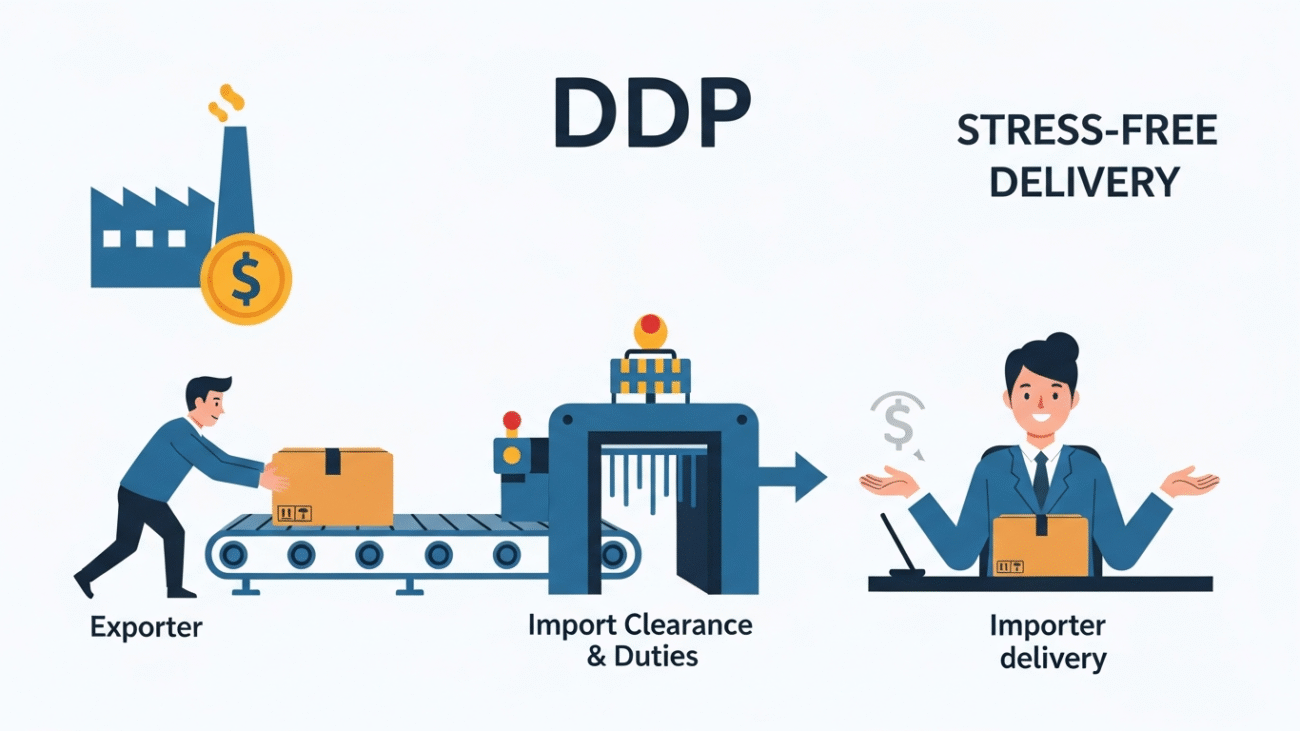
  • Exporter’s Responsibility (Maximum): The seller is responsible for every cost and risk associated with the entire journey, including pre-carriage, export clearance, main carriage, insurance (though not mandatory, it’s necessary for the seller’s protection), and, most uniquely, Import Clearance, Duties, and Taxes (VAT/GST).
  • Transfer Point: Both cost and risk transfer from the seller to the buyer at the named destination, precisely when the goods are ready for unloading and cleared for import.

The only obligation left to the buyer is usually the physical unloading of the cargo at their receiving point.


2. The Defining Factor: Import Duties and Taxes

The defining factor that separates DDP from DAP is the seller’s responsibility for import clearance:

  • DAP: The buyer handles and pays all import duties, taxes, and clearance fees.
  • DDP: The seller handles and pays all import duties, taxes (including VAT/GST), and clearance fees.

This places an enormous burden on the exporter, who must be fully aware of the customs regulations, duty rates, tax laws, and required licenses in the buyer’s country—a foreign jurisdiction. Failure to calculate these costs accurately can result in significant financial losses for the seller.

DDP and VAT/GST

A significant risk for the seller under DDP is the payment of Value Added Tax (VAT) or Goods and Services Tax (GST) in the buyer’s country.

  • In many countries, VAT/GST paid at import can later be claimed back by the importing entity.
  • Under DDP, the seller pays the VAT/GST. If the seller does not have a legal entity registered in the buyer’s country, they cannot claim this tax back, turning it into a straight cost.
  • This VAT/GST cost can often be 15-25% of the goods’ value, making it a crucial calculation.

with bikini & get shiirtless on beach with confidence

3. Exporter and Importer Responsibilities

DDP represents the pinnacle of service for the buyer and the maximum complexity for the seller.

ResponsibilityExporter (Seller) under DDPImporter (Buyer) under DDP
Delivery & RiskBears all risk and cost until goods are ready for unloading AND cleared for import.Takes delivery and assumes risk from the point the goods are ready for unloading.
Export ClearanceResponsible for all export formalities.Not responsible.
Import ClearanceMANDATORY: Must arrange and pay all duties, taxes (VAT/GST), and fees in the destination country.Not responsible.
UnloadingNot responsible (Unless specified in the contract).Responsible for arranging and paying for unloading the goods.
InsuranceNo obligation to the buyer, but must maintain ‘all-risks’ insurance for their own protection until delivery is complete.Not responsible.

4. Conclusion: When to Use DDP

DDP is a powerful sales tool, especially for Indian exporters targeting new, small, or e-commerce buyers who demand a predictable, fixed price, or who are simply unwilling to deal with import customs complexity.

  • Use DDP when:
    1. The seller has an expert international logistics network and deep knowledge of the destination country’s customs rules and tax laws.
    2. The buyer requires a truly fixed, ‘landed cost’ quotation upfront.
    3. The seller is targeting a market where competition dictates offering maximum convenience (e.g., e-commerce fulfillment).

However, DDP should only be undertaken by exporters with high confidence in their ability to manage foreign tax and duty regulations. For most transactions, DAP is the safer choice, as it passes the variable and unpredictable import tax burden back to the local entity best positioned to handle it—the buyer.

DAP Incoterm 2020 meaning

DAP Incoterm 2020: The Importer’s Go-To for Door-to-Door Delivery

DAP Incoterm 2020 Introduction: The Convenience of DAP

DAP (Delivered at Place) is arguably the most common Incoterm for modern multimodal trade, especially for those importers who want the convenience of having their goods delivered nearly all the way to their door but prefer to handle the final steps of customs clearance and unloading themselves.

Under DAP, the seller (exporter) handles the entire logistics chain—from their factory through international transit, right up to the agreed-upon receiving point in the buyer’s country. This makes DAP highly attractive for both importers on TheExporterHub.com seeking simplicity and exporters who have strong, reliable international freight forwarder contracts. DAP clearly defines that the seller pays for carriage and bears all risk up to the named final location, providing immense clarity and transparency in pricing.


1. What is DAP (Delivered at Place) Incoterm 2020?

Under the DAP Incoterm, the seller fulfills their delivery obligation when:

  1. The goods are placed at the buyer’s disposal.
  2. On the arriving means of transport (e.g., the delivery truck).
  3. Ready for unloading.
  4. At the named place of destination (which can be a warehouse, factory, port terminal, or even a specific address).

Transfer of Cost and Risk

  • Exporter’s Responsibility (Cost & Risk): The seller is responsible for all costs and risks associated with bringing the goods to the named final destination. This includes local transport, export clearance, main carriage, and any transport within the destination country up to the delivery point.
  • Transfer Point: Both cost and risk transfer from the seller to the buyer at the named destination, precisely when the goods are ready for unloading.

Crucially, Import Customs Clearance (including duties and taxes) is explicitly the buyer’s responsibility under DAP.


2. The Defining Moment: Ready for Unloading

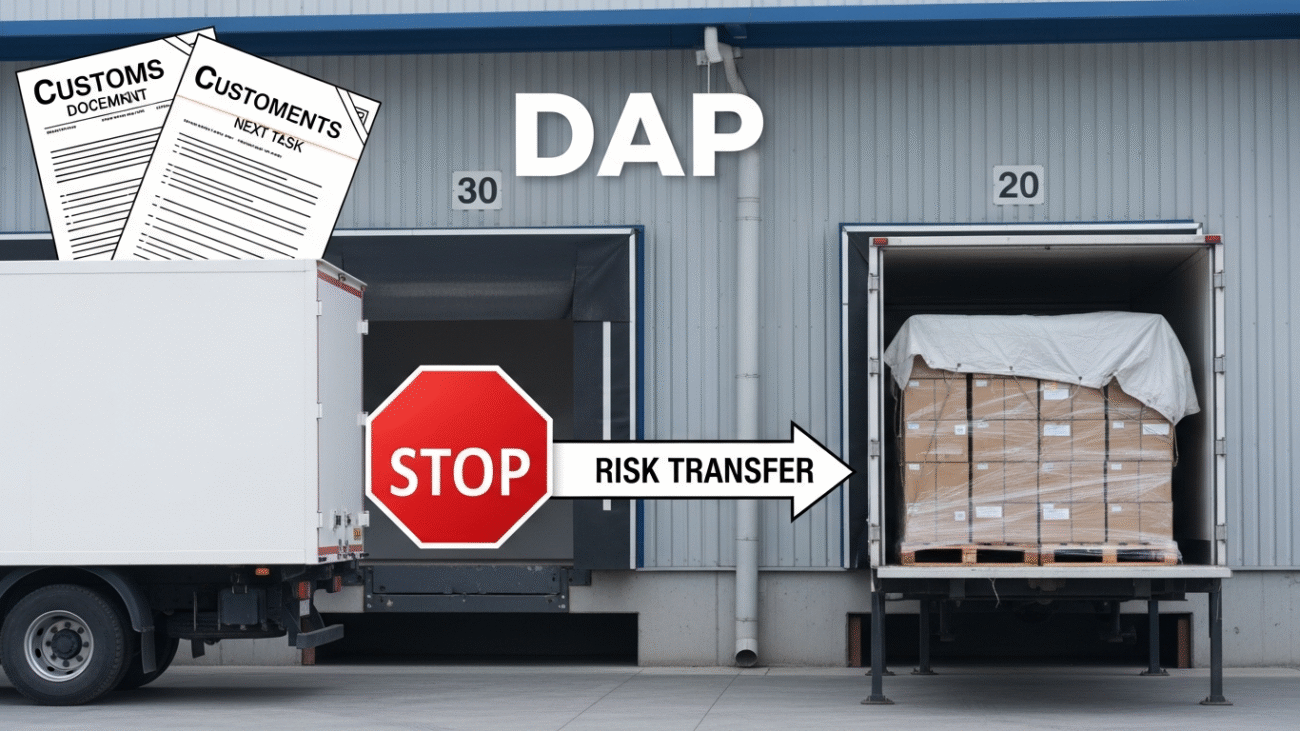
The primary point of distinction for DAP is the moment of risk transfer, which occurs just before the goods are unloaded.

  • Risk Transfer: Once the goods have safely arrived at the buyer’s named location and are available on the delivery vehicle, the seller’s responsibility for the goods ends.
  • Unloading Responsibility: The buyer is responsible for both arranging and paying for the physical unloading of the cargo at the receiving point.
  • Why this matters: If the delivery truck arrives safely but is damaged during the buyer’s unloading process, the buyer bears the risk and the cost of the damage.

This feature makes DAP ideal when the buyer is certain they possess the necessary cranes, forklifts, or labor to safely unload the goods at their specific facility.

with bikini & get shiirtless on beach with confidence

3. Exporter and Importer Responsibilities

DAP places heavy logistical responsibility on the seller, but final regulatory and physical handling on the buyer.

ResponsibilityExporter (Seller) under DAPImporter (Buyer) under DAP
Delivery & RiskBears all risk and cost until goods are ready for unloading at the named destination.Takes delivery and assumes risk from the point the goods are ready for unloading.
Export ClearanceResponsible for all export formalities, licenses, and duties in the origin country.Not responsible.
Main CarriageMust arrange and pay for the carriage to the named destination.Not responsible.
UnloadingNot responsible.MANDATORY: Must arrange and pay for unloading the goods.
Import ClearanceNot responsible.Responsible for all import duties, taxes (VAT/GST), and customs clearance fees.
InsuranceNo obligation to the buyer, but the seller maintains ‘all-risks’ insurance to cover their own risk during transit.No obligation, but should consider contingency insurance.

4. DAP vs. DPU: The Unloading Distinction

As noted in the DPU article, the difference between the two terms comes down to a single physical step:

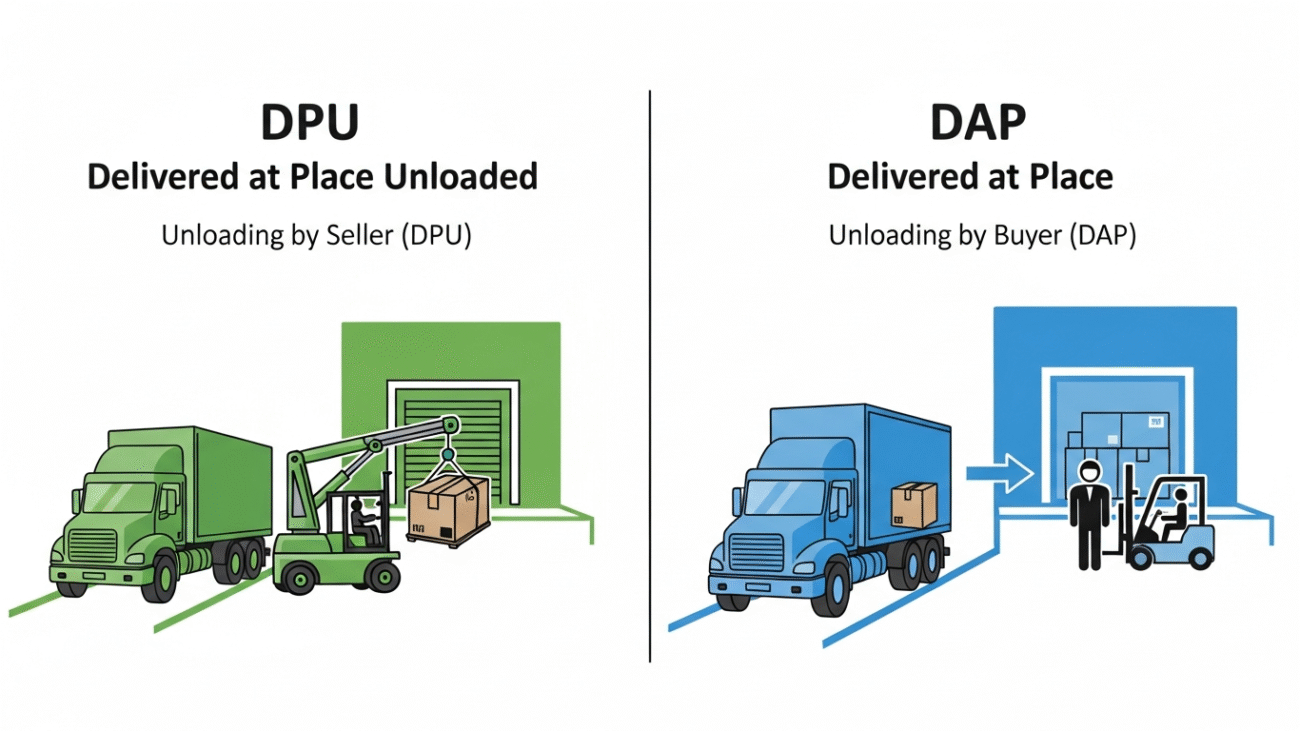
  • DAP: Seller delivers to the place, ready for unloading. Buyer unloads.
  • DPU: Seller delivers and unloads at the place. Seller unloads.

If you are an importer and are unsure if your receiving facility can safely handle the unloading of a heavy product like a large piece of machinery or a container of AAC blocks, it is safer to negotiate for the seller to use DPU.

5. Conclusion: When to Use DAP

DAP is the workhorse of modern Incoterms, providing a perfect blend of high service and clear responsibility separation.

  • Use DAP when:
    1. The buyer wants the seller to manage the entire complex, international logistics chain.
    2. The buyer is happy to handle the simpler, last-mile steps: unloading and import clearance (duties/taxes).
    3. The buyer wants to maintain control over the payment of local customs duties, as this is often complex to calculate accurately beforehand.

For professional trade between an Indian exporter and a global importer, DAP ensures the exporter delivers their goods with guaranteed freight and risk management, while the importer retains control over their local costs and regulatory obligations.

DPU Incoterm 2020 unloading

DPU Incoterm 2020: The Only Rule Where Exporter Handles Unloading

DPU Incoterm 2020 Introduction: A New Standard for Delivery at Destination

Incoterms® 2020 introduced DPU (Delivered at Place Unloaded) to replace the older DAT (Delivered at Terminal) rule. This change broadened the scope: the named place of destination can now be any agreed-upon location, not just a terminal (it could be a rail yard, a warehouse, or even the buyer’s factory floor).

DPU represents one of the most significant obligations for the seller (exporter) in the “D” group of Incoterms. Under DPU, the seller not only bears the cost and risk of bringing the goods all the way to the specified destination but also takes the critical step of unloading the goods at that location. For importers using TheExporterHub.com who lack the necessary equipment or manpower at a designated receiving location, DPU offers a complete, hassle-free logistics solution up to the point of import clearance.


1. What is DPU (Delivered at Place Unloaded) Incoterm 2020?

Under the DPU Incoterm, the seller (exporter) fulfills their obligation when the goods are:

Transfer of Risk and Cost
  1. Placed at the disposal of the buyer.
  2. At the named place of destination.
  3. Unloaded from the arriving means of transport.

Transfer of Risk and Cost

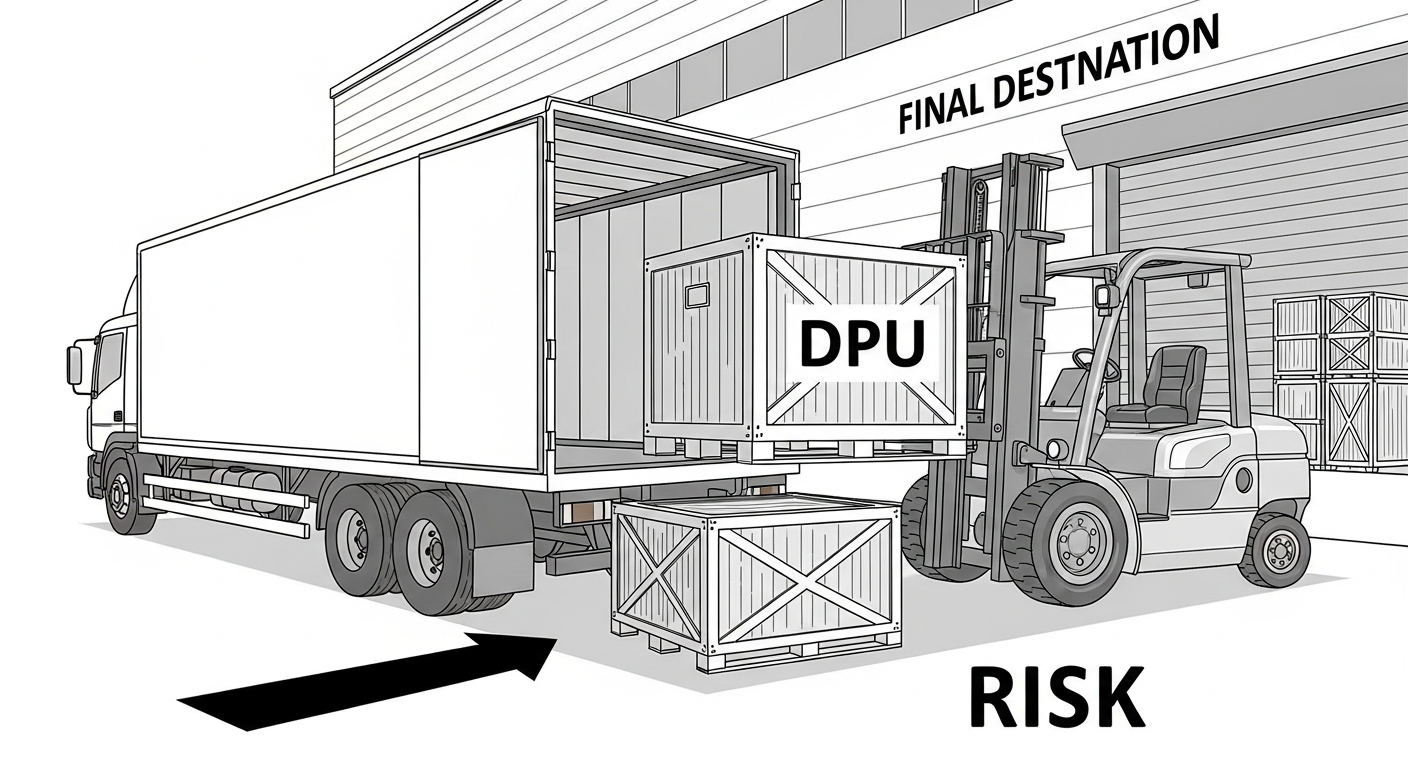
  • Cost and Risk Responsibility: Both the risk of loss/damage and the cost of transport remain with the seller until the goods are successfully unloaded at the named destination.
  • A High-Risk Rule for Exporters: The exporter is responsible for the entire journey, including main carriage and any subsequent local transport within the destination country, up to the point of unloading. This is a massive responsibility and risk.

2. The Critical Difference: DPU vs. DAP

DPU is frequently confused with its similar counterpart, DAP (Delivered at Place). The distinction hinges entirely on the process of unloading:

FeatureDPU (Delivered at Place Unloaded)DAP (Delivered at Place)
Unloading ObligationExporter is responsible for unloading at the named destination.Importer is responsible for unloading at the named destination.
Transfer of RiskAfter the goods are unloaded.Before the goods are unloaded (when ready for unloading).
SuitabilityBest when the seller has control over local equipment (crane, forklift) or contracts with the final delivery carrier to include unloading.Best when the importer has the appropriate equipment and manpower readily available at the destination.

Crucial Advice for Exporters: If you agree to DPU, you must verify that unloading can be safely and legally performed at the named destination. Failure to do so means you have not completed your delivery obligation, and the risk remains yours.


3. Exporter and Importer Responsibilities

DPU requires maximum attention to detail from the exporter, making it a high-commitment Incoterm.

ResponsibilityExporter (Seller) under DPUImporter (Buyer) under DPU
Delivery & RiskBears all risk and cost until goods are unloaded at destination.Takes delivery after unloading is complete.
Export ClearanceResponsible for all export formalities.Not responsible.
UnloadingMANDATORY: Must arrange and pay for the unloading operation.Not responsible.
Import ClearanceNot responsible.Responsible for all import clearance, duties, taxes, and licenses.
InsuranceNo obligation to the buyer, but the seller should maintain ‘all-risks’ insurance to cover their own risk during the entire transit, up to and including unloading.Not responsible, but should consider contingency insurance.

with bikini & get shiirtless on beach with confidence

4. Practical Considerations for Indian Exporters

For Indian exporters of building materials (like Shiv’s Assets Group’s AAC Blocks) or heavy machinery, DPU is a double-edged sword:

  • Marketing Advantage: Offering DPU is highly attractive to importers, as it offers a seamless, truly “delivered” price, simplifying the buyer’s supply chain management.
  • Logistical Challenge: Managing the “last mile” unloading process in a foreign country (e.g., finding the right equipment, coordinating labor, and ensuring site safety) adds complexity. The Indian exporter must rely heavily on their international freight forwarder’s network to execute this final step flawlessly.
  • Clarity in Documentation: The contract must clearly define the exact point of unloading (e.g., “Buyer’s warehouse, Dock 3, London”) to prevent disputes.

Conclusion: When to Use DPU

DPU is the ideal choice when the seller has significant control over the entire supply chain and wants to provide a complete delivery service. It is highly beneficial for the buyer who wants to receive the goods directly at their site, unloaded and ready for inspection.

However, due to the high risk and maximum responsibility it places on the exporter, DPU requires thorough due diligence. Ensure the named destination is suitable for unloading, the costs are accurately calculated, and your carrier is capable of executing the final, critical step. For most situations where the exporter does not want to handle unloading, DAP is the safer and more common Incoterm to use.

CIP Incoterm 2020 explained

CIP Incoterm 2020: The Safest Rule for High-Value, Multimodal Cargo

CIP Incoterm 2020 Introduction: The Premium Choice for Global Security

In today’s global economy, where high-value, manufactured goods are often shipped across continents using a combination of road, rail, and sea (multimodal transport), ensuring maximum cargo security is paramount. CIP (Carriage and Insurance Paid To) is the Incoterm designed specifically for this purpose.

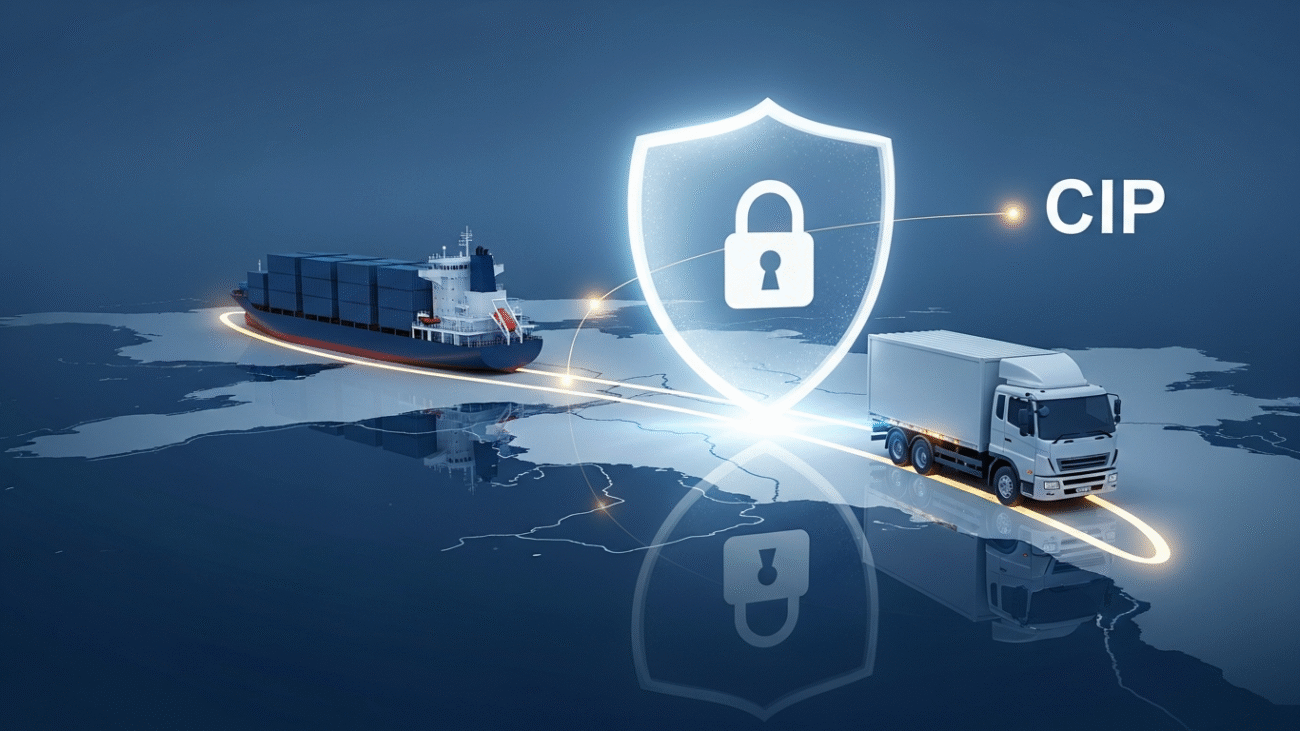
CIP is identical to CPT in terms of cost and risk transfer, but it goes one critical step further: it places a mandatory obligation on the seller (exporter) to purchase insurance in favor of the buyer (importer). For professional importers on TheExporterHub.com dealing with crucial machinery, electronics, or other high-value commodities, CIP offers unmatched peace of mind, ensuring the shipment is protected from the moment it leaves the seller’s premises.


1. What is CIP (Carriage and Insurance Paid To) Incoterm 2020?

Under the CIP Incoterm, the seller has three primary obligations:

  1. Contract Carriage: The seller must arrange and pay for the main carriage (freight) necessary to bring the goods to the named place of destination.
  2. Export Clearance: The seller handles all formalities required to export the goods from the country of origin.
  3. Mandatory Insurance: The seller must obtain cargo insurance against the buyer’s risk of loss or damage to the goods during transit.

Like CPT, CIP is characterized by the two-point transfer:

  • Risk Transfer: The risk passes from the seller to the buyer when the goods are handed over to the first carrier at the place of shipment.
  • Cost Transfer: The seller pays for the freight up to the named place of destination.

The buyer takes delivery at the destination and handles all import clearance and final unloading.

Carriage and Insurance Paid To

2. The Critical Role of Insurance under CIP

The mandatory insurance requirement is what distinguishes CIP from CPT and makes it the safer choice for buyers. The Incoterms® 2020 update standardized the minimum level of insurance required under CIP.

A. Insurance Level: Clause A (Maximum Cover)

The seller must obtain insurance that complies with the Institute Cargo Clauses (A) or similar clauses.

  • Clause A provides the highest level of coverage (known as ‘all-risks’ coverage), covering all potential losses unless specifically excluded (e.g., willful misconduct, nuclear war, inherent vice).
  • This is a significant benefit for the buyer because the risk transferred the moment the goods were given to the first carrier. Even though the buyer bears the risk from that early point, they are protected by the seller’s procured insurance for the entire main journey.

B. The Value of the Insurance

The insurance coverage must be for at least 110% of the contract price (including the cost of the freight) in the currency of the contract. This ensures that the buyer is fully compensated and has a slight margin to cover claims processing costs if the goods are lost or damaged.

with bikini & get shiirtless on beach with confidence

3. CIP vs. CIF: Multimodal vs. Sea-Only

While CIF (Cost, Insurance, and Freight) also requires mandatory insurance, there are two key differences:

FeatureCIP (Carriage and Insurance Paid To)CIF (Cost, Insurance, and Freight)
Transport ModeMultimodal (Suitable for container, rail, road, air)Sea and Inland Waterway only
Risk Transfer PointHandover to the First CarrierWhen goods are placed On Board the vessel
Minimum InsuranceInstitute Cargo Clauses (A) – High LevelInstitute Cargo Clauses (C) – Low Level

CIP is therefore the superior and more appropriate choice for virtually all containerized and high-value cargo shipments that utilize multiple modes of transport.


4. Exporter and Importer Responsibilities

ResponsibilityExporter (Seller) under CIPImporter (Buyer) under CIP
DeliveryHands goods over to the first carrier.Takes delivery at the destination.
RiskBears risk until handover to the first carrier.Bears risk from handover until the final destination.
CostPays for pre-carriage, export clearance, and main freight to the destination.Pays for unloading at destination, import clearance, duties, and taxes.
InsuranceMust obtain ‘all-risks’ (Clause A) insurance for the buyer.Pays the premium indirectly (it’s built into the price), but is the beneficiary of the policy.

Conclusion: Why Indian Exporters Should Offer CIP

For exporters in India specializing in high-value products (like machinery, electronics, or processed goods), offering CIP can be a major competitive advantage. It assures the international buyer that the entire transit—from the factory gate in Bharuch, Gujarat, to the buyer’s city in Europe or the US—is covered by comprehensive, ‘all-risks’ insurance, which is a major trust signal on a platform like TheExporterHub.com.

While CPT requires the buyer to manage and pay for their own insurance, CIP is an all-in-one solution that removes the risk from the buyer’s hands, making the seller’s offering much more attractive and secure.

CPT Incoterm 2020 risk transfer

CPT Incoterm 2020: Where Cost and Risk Transfer at Separate Points

CPT Incoterm 2020 Introduction: The Importance of Multimodal Trade Terms

In modern global trade, shipments often involve multiple modes of transport—a truck from the factory, a train to the port, and a ship overseas. For these multimodal journeys (meaning using more than one type of transport), traditional terms like FOB are unsuitable. This is where CPT (Carriage Paid To) shines.

CPT is a highly valuable Incoterm because it balances the responsibilities: the seller (exporter) gives the buyer (importer) the convenience of prepaid freight, while the buyer assumes responsibility for the transit risk much earlier. This rule is particularly well-suited for containerized cargo and is frequently used by professional exporters on platforms like TheExporterHub.com who want to offer competitive landed costs to their international buyers.


1. What is CPT (Carriage Paid To) Incoterm 2020?

Under the CPT Incoterm, the seller has two main responsibilities regarding the shipment:

  1. Cost Responsibility: The seller must contract and pay for the carriage (main freight) of the goods to the named place of destination (e.g., a port, airport, or buyer’s city warehouse).
  2. Risk Responsibility: The seller hands the goods over to the carrier (or the first carrier, if multiple modes are used) at an agreed-upon point in the country of origin.

The defining feature of CPT:

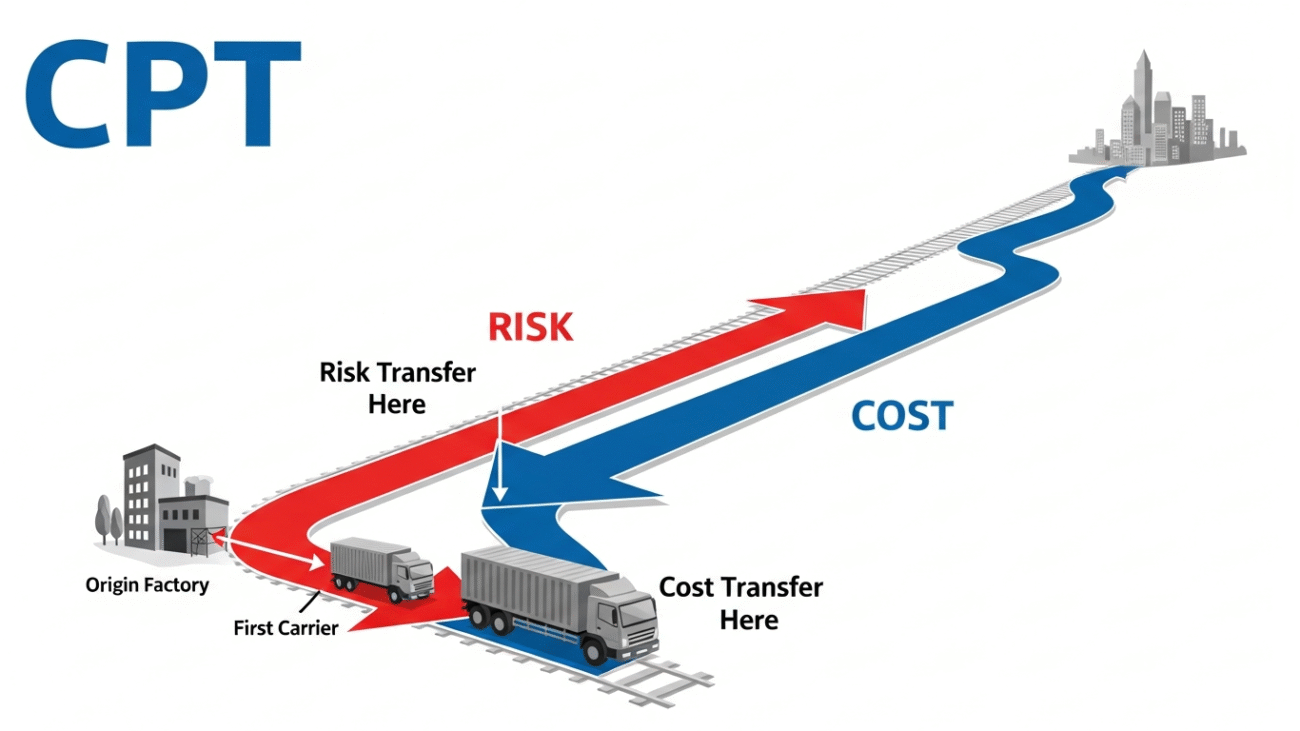
The risk transfers from the seller to the buyer at the place of shipment (when handed to the first carrier), while the cost transfers at the place of destination.

This creates a unique two-point transfer system: the seller pays for the ride, but the buyer owns the risk during the ride.

The defining feature of CPT

2. The Critical Split: Cost vs. Risk Transfer

Understanding where cost and risk transfer under CPT is essential to avoid disputes:

A. Transfer of Risk (The Critical Point)

The risk of loss or damage to the goods transfers from the exporter to the importer when the goods are handed over to the first carrier nominated by the seller.

  • Example: An exporter in Gujarat, India, uses CPT to ship goods to a buyer in Berlin, Germany. The exporter hands the container to a trucking company at a container freight station (CFS) near Ahmedabad. The risk transfers to the German buyer the moment the container is accepted by the truck/CFS in Ahmedabad.

B. Transfer of Cost

The cost transfers at the named place of destination.

  • Example: The Indian exporter pays for the truck from Ahmedabad to Mumbai Port, the ocean freight from Mumbai to Hamburg, and the rail freight from Hamburg to a rail terminal in Berlin. The exporter is responsible for paying all these costs. The cost responsibility ends before the goods are unloaded at the destination and before any import clearance is done.

The importer, therefore, needs to arrange for insurance to cover the goods from the moment they are picked up by the first carrier in India, even though the exporter is paying the freight bill.

with bikini & get shiirtless on beach with confidence

3. Key Responsibilities under CPT (Exporter vs. Importer)

CPT is an “E-Term” for cost and an “F-Term” for risk, blending responsibilities:

ResponsibilityExporter (Seller)Importer (Buyer)
DeliveryMust hand over goods to the carrier.Must take delivery at the named destination.
Export ClearanceResponsible for all export formalities, licenses, and duties in the origin country (e.g., India).Not responsible.
Main CarriageMust contract and pay for the carriage to the named destination.Not responsible for arranging payment, but assumes the risk.
Risk of Loss/DamageRisk until handed over to the first carrier.Risk from the time of handover to the first carrier until final delivery.
InsuranceNo obligation, but may choose to purchase “contingency insurance” to protect their money until payment is received.Must purchase insurance to cover the goods for the entire transit, as the risk is theirs from the start.
Import ClearanceNot responsible.Responsible for all import formalities, duties, and taxes at the destination.
UnloadingNot responsible for unloading at the final destination.Responsible for unloading at the named place of destination.

4. CPT vs. CIP: Why Insurance is the Only Difference

CPT is closely related to its sister Incoterm, CIP (Carriage and Insurance Paid To). The only difference is insurance:

  • CPT: The seller pays for carriage, but insurance is optional (buyer’s choice, but recommended).
  • CIP: The seller pays for carriage AND must procure mandatory insurance cover for the buyer.

For containerized, high-value shipments, especially those traveling long distances and using multiple carriers, the buyer is strongly advised to request CIP to ensure the seller procures high-level insurance.


5. Conclusion: When to Use CPT

CPT is a powerful tool for exporters who want to control the logistics chain to ensure efficiency, but without taking on the high risk of the entire journey. It is best used for:

  1. Multimodal Shipments: Anytime the goods move by truck, rail, and sea/air.
  2. Seller-Controlled Freight: When the exporter has strong freight contracts and can secure better rates than the buyer.
  3. Intermediate Risk Transfer: When the exporter is willing to handle export formalities and freight booking (unlike EXW or FCA), but wants the risk to pass as early as possible.

For importers, using CPT means they must immediately arrange for insurance upon contract signing. While the cost is conveniently covered by the seller, the risk is the buyer’s from the earliest point of shipment, making CPT an Incoterm for the informed and prepared importer.

FCA Incoterm 2020 explained

FCA Incoterm 2020: The Most Flexible Rule for Containerized Trade

FCA Incoterm 2020 Introduction: Why FCA is the Modern Incoterm of Choice

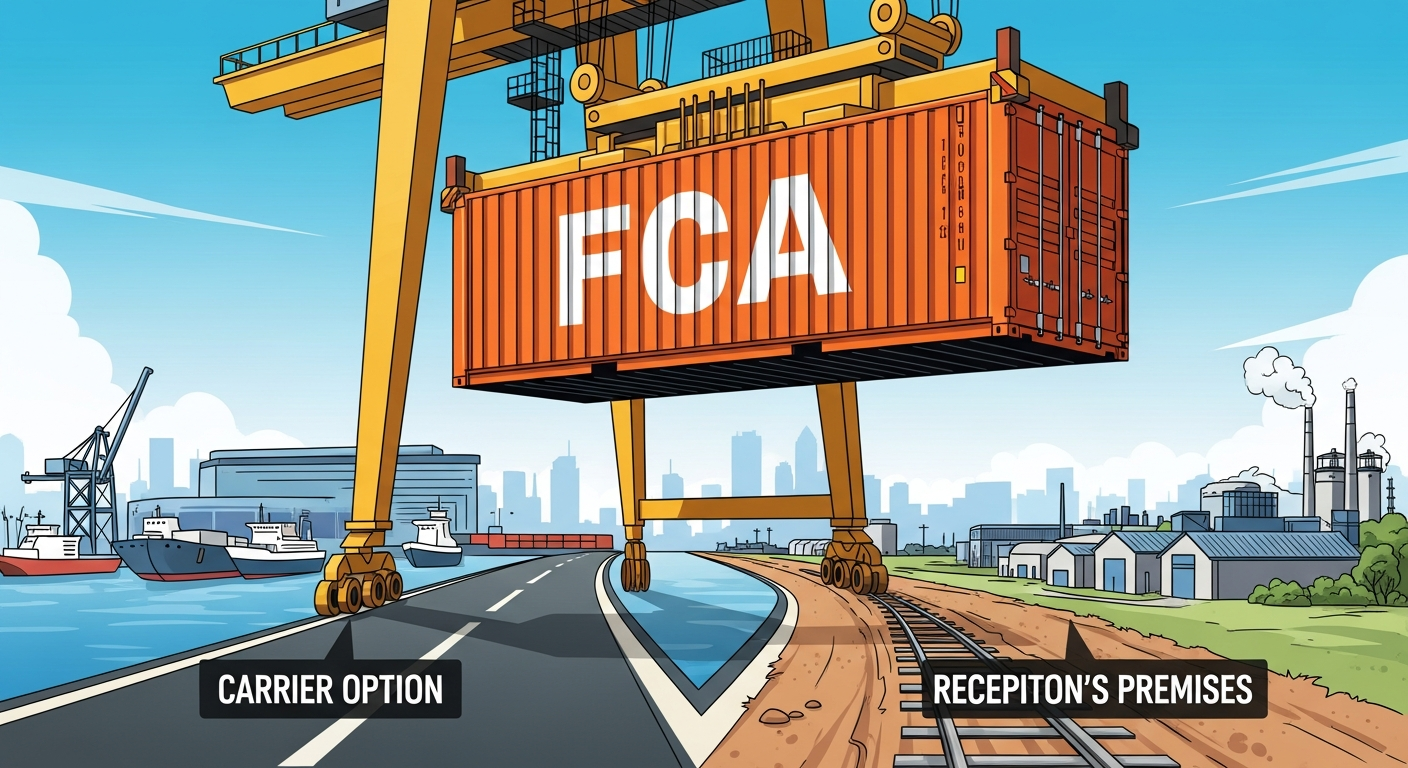
In the constantly evolving global trade landscape, the majority of goods are now shipped in containers. While the traditional FOB (Free On Board) rule remains popular, it is fundamentally designed for non-containerized bulk cargo. This has led industry experts and the International Chamber of Commerce (ICC) to champion FCA (Free Carrier) as the ideal, most flexible, and safest Incoterm for nearly all containerized shipments.

Introduction: Why FCA is the Modern Incoterm of Choice

FCA strikes a perfect balance: it frees the importer from the complexities of export customs (unlike EXW), yet grants them control over the expensive international freight (unlike CIF/CFR). This guide provides a deep dive into the FCA Incoterm 2020, detailing its dual delivery options, clarifying the crucial transfer of risk, and explaining why it is the go-to rule for savvy importers and professional exporters on platforms like TheExporterHub.com.


1. What is FCA (Free Carrier) Incoterm 2020?

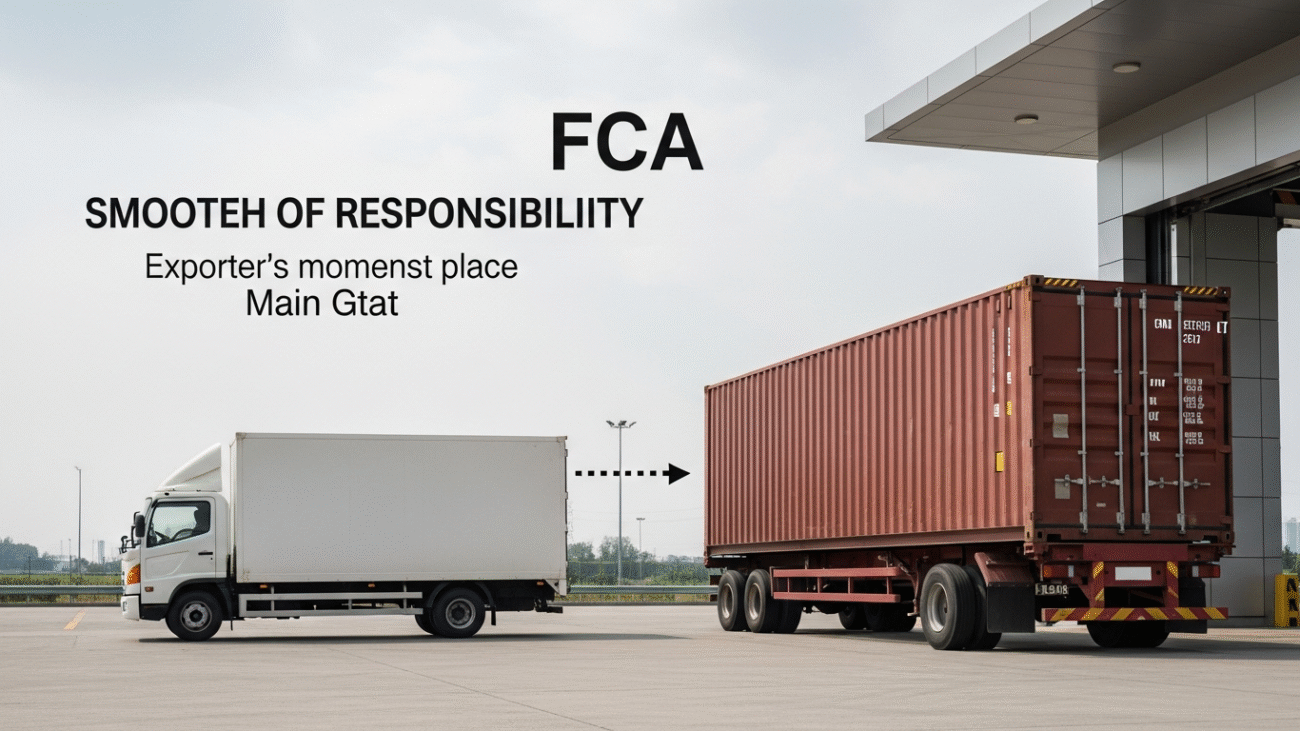
Under the FCA Incoterm, the seller (exporter) delivers the goods to the buyer’s named carrier at a specific named place in the country of export.

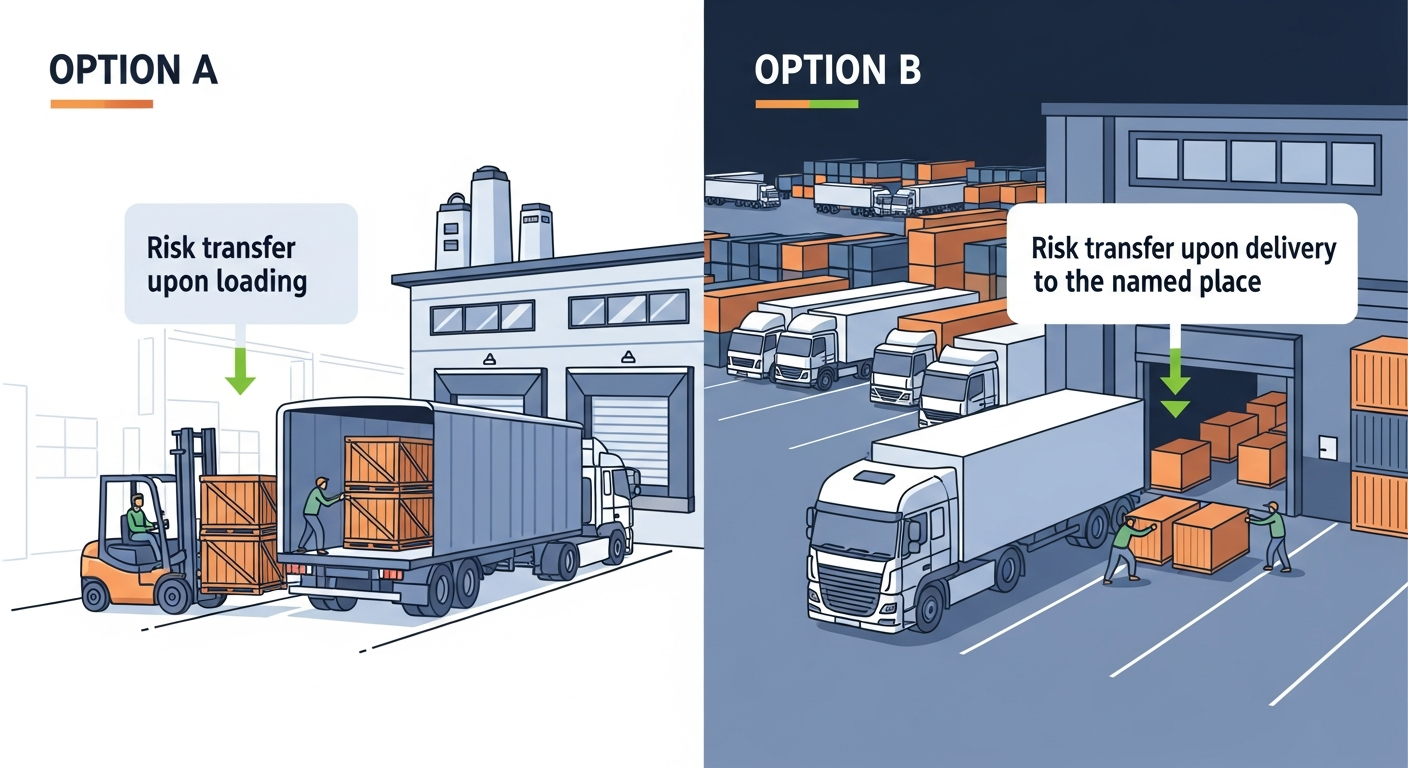
Crucially, FCA provides two distinct delivery options:

Option A: Seller’s Premises

  • Delivery Point: The seller’s own warehouse or factory (similar to EXW).
  • Transfer of Risk: Risk passes to the buyer once the goods are loaded onto the buyer’s transport vehicle (the truck/carrier picking up the goods) at the seller’s premises.
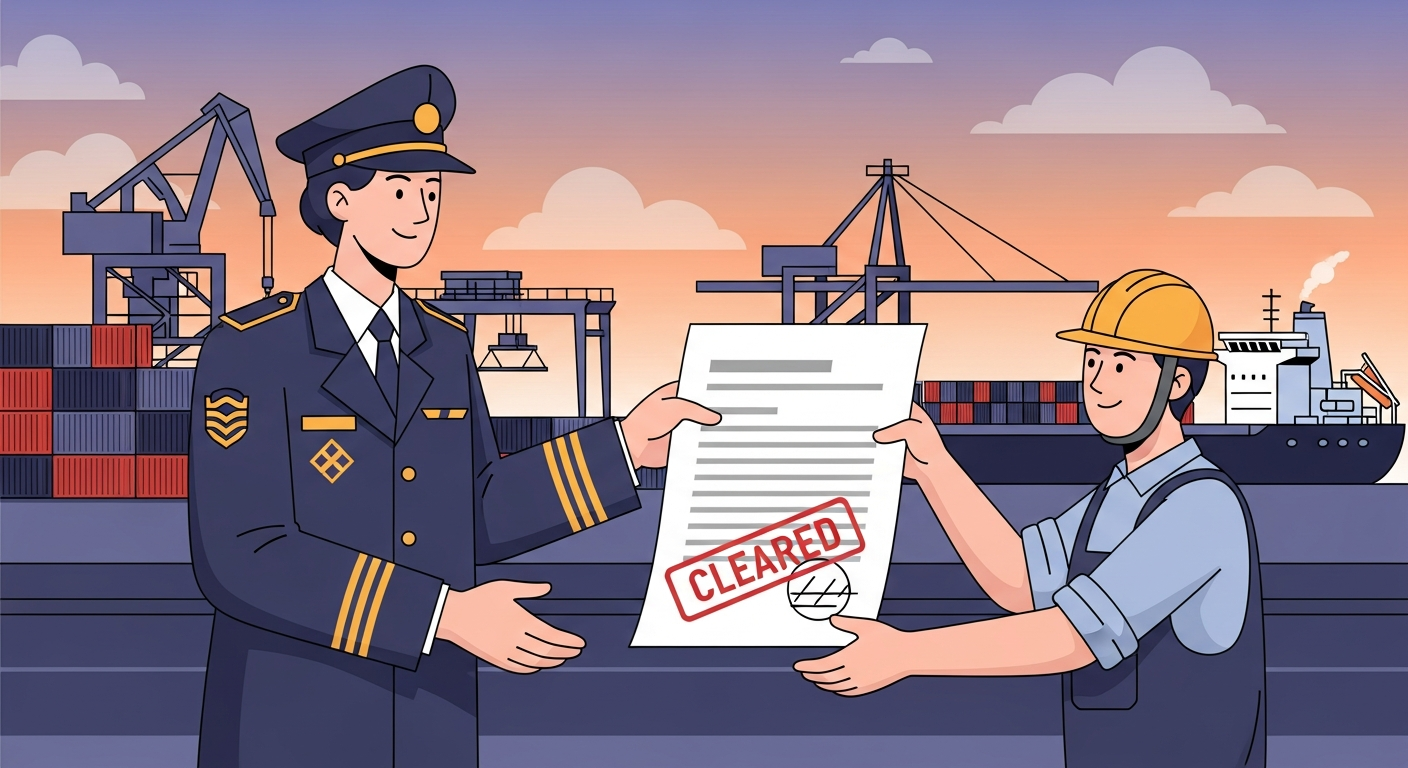
  • Exporter’s Key Duty: The seller is responsible for loading the goods onto the buyer’s collecting vehicle, and, most importantly, for Export Customs Clearance.
What is FCA (Free Carrier) Incoterm 2020?

Option B: Named Location (e.g., Forwarder’s Terminal or Port)

  • Delivery Point: A place other than the seller’s premises, such as a freight forwarder’s warehouse, a rail terminal, or a container yard at a port.
  • Transfer of Risk: Risk passes to the buyer once the goods are delivered to the named place and are ready for unloading (or, in the case of a carrier terminal, delivered into the carrier’s possession).
  • Exporter’s Key Duty: The seller is responsible for the transport cost from their premises to the named location, and for Export Customs Clearance.

In both options, the buyer is responsible for the main carriage, insurance, and import clearance.


2. The Hidden Power of FCA: Export Clearance

The single most significant advantage of FCA over EXW is the responsibility for Export Customs Clearance.

The Hidden Power of FCA: Export Clearance
  • Under EXW: The buyer handles complex export clearance in the country of origin, which can be difficult without local knowledge (especially in India).
  • Under FCA: The seller (exporter) is responsible for all export formalities, licenses, and duties required to get the goods cleared for leaving the country.

This small but vital difference makes FCA far safer for importers, as the exporter—who already has local knowledge and licensing (IEC, GSTIN)—is best placed to handle their country’s complex export procedures.


3. Why FCA is Superior to FOB for Containerized Cargo

FOB is designed for bulk goods (like oil or grain) that are loaded directly onto a ship. When a container is involved, the goods are often loaded days before the ship sails, inside a forwarder’s yard.

  • FOB’s Flaw: Under FOB, the risk only transfers when the goods are placed “on board” the vessel. If a container is damaged while sitting in the port terminal awaiting shipment (a common scenario), the seller is technically still responsible, even though they lost control days ago.
  • FCA’s Clarity: With FCA, risk transfers much earlier (either at the seller’s door or the forwarder’s terminal), which is when the seller actually loses control of the goods. This aligns the transfer of risk with the physical reality of container logistics.

Choosing FCA over FOB for container shipments provides clearer liability and prevents disputes over who owns the risk while the container is sitting in the congested port.

with bikini & get shiirtless on beach with confidence

4. Key Benefits and Risks for Importers and Exporters

StakeholderBenefits of Using FCARisks of Using FCA
Importer (Buyer)Full Control: Chooses the main international carrier, securing better freight rates and controlling transit time. Risk Mitigation: The exporter handles export customs clearance. Clarity: Clear risk transfer point before the goods reach the port.Cost Control: Responsible for all costs from delivery point onwards, including main carriage and insurance.
Exporter (Seller)Risk Reduction: Risk passes early, usually before the goods enter a major, congested port terminal. Competitiveness: Can offer a service that is more user-friendly than EXW while avoiding the complexity of DDP/DAP.Operational Complexity: Responsible for arranging local transport and ensuring export clearance is flawlessly executed before the buyer’s carrier arrives.

5. Special Consideration: On-Board Bill of Lading

A major hurdle with FCA historically was that banks often require an “On-Board” Bill of Lading (B/L) for Letters of Credit (L/Cs). Since the seller’s responsibility ends before the ship loads the goods, they often couldn’t obtain this B/L.

The FCA 2020 Solution: The newest version allows the buyer (importer) to instruct their carrier to issue the On-Board B/L to the seller (exporter) after the goods are loaded. This key change makes FCA fully compatible with L/Cs, reinforcing its position as the premier container shipping term.


Conclusion: Making FCA Your Default Incoterm

For global trade, especially when importing from sophisticated export hubs like India, FCA (Free Carrier) offers the optimal balance of control, cost, and risk alignment. It simplifies the transaction for the importer by placing the burden of complex export procedures on the local expert (the seller), while giving the importer the ability to negotiate and control the expensive main freight contract.

If you are currently using EXW, consider upgrading to FCA. If you are using FOB for containerized cargo, FCA is the safer, more modern choice that reflects the actual realities of the global supply chain. This balance is key to building a secure, efficient, and profitable import business through platforms like TheExporterHub.com.