
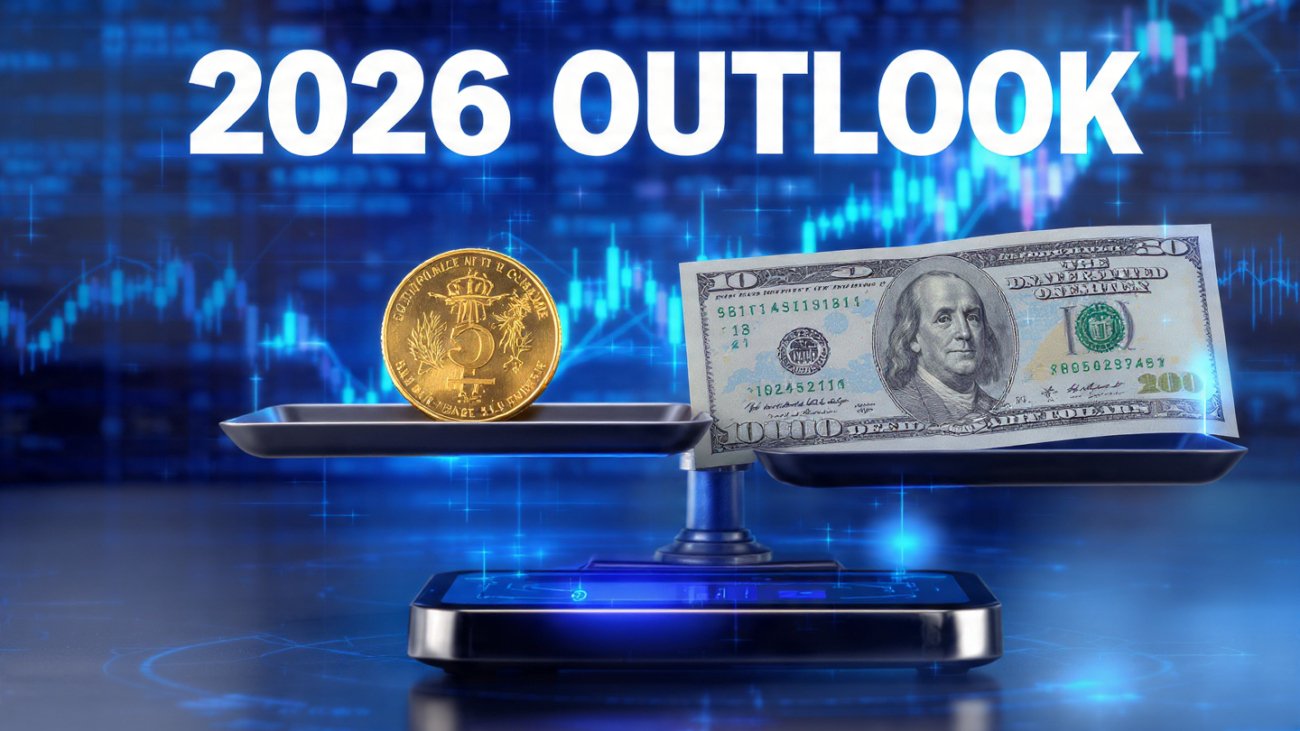
PIVOTAL! 7 Global Finance & Forex Trends for 2026
The transition from 2025 into 2026 (December 28, 2025, to January 10, 2026) has marked a historic turning point in global markets. Termed the “Great Recoupling” by economists, this period saw the synchronization of major central bank policies after years of divergence. For global exporters and importers, the financial landscape has shifted from a “dollar-only” story to a complex, multi-currency environment where liquidity management is the top priority.
Navigating this new year requires deep insight into the forex and finance shifts that occurred in the first two weeks of January.
1. The Yen Carry Trade Unwind: A Global Liquidity Event
The biggest shock to start 2026 was the fallout from the Bank of Japan’s (BoJ) late-December rate hike to 0.75%. This move triggered a massive unwinding of the “Yen Carry Trade”—where investors borrow cheap Yen to invest in higher-yielding global assets.
-
Impact on Trade: The sudden tightening of yen-funded liquidity has increased borrowing costs for traders who relied on Japanese capital.
-
Forex Pressure: By January 8, 2026, the USD/JPY pair experienced significant volatility as speculators rushed to cover short-yen positions, leading to a “liquidity crunch” in high-beta assets, including cryptocurrencies like Bitcoin, which slipped back to the $90,000 range.
2. The USD “V-Shaped” Forecast for 2026
The U.S. Dollar Index (DXY) entered 2026 with a bearish bias. Analysts are predicting a “V-shaped” year for the greenback.
-
The Early Dip: Expect the dollar to weaken in H1 2026 (dropping toward 94.00) as the Federal Reserve prioritizes labor market stability over inflation control.
-
The Late Surge: However, by the second half of 2026, massive government spending from the newly passed “One Big Beautiful Bill” Act is expected to reignite inflation, forcing the Fed to pause or reverse cuts, pushing the dollar back up.
3. EUR/USD: Driven by German Fiscal Expansion
As of the first week of January 2026, the Euro is finding support not from its own strength, but from German fiscal stimulus.
-
The €1 Trillion Package: Following the February 2025 elections, Germany’s new coalition has deployed a landmark infrastructure fund. Goldman Sachs projects this will boost German GDP growth to 1.4% in 2026.
-
Target Levels: Importers in Europe should watch for the EUR/USD to gradually strengthen toward 1.19 – 1.21 by year-end, provided French political risk remains contained.
4. New Regulatory Reality: MiCA & IRS Form 1099-DA
January 1, 2026, was “Day Zero” for two major financial regulations affecting global digital trade:
-
EU MiCA: The Markets in Crypto-Assets regulation is now fully operational, bringing much-needed legal certainty to stablecoins used in cross-border settlements.
-
IRS Reporting: In the U.S., the Form 1099-DA for crypto reporting became effective. Global exporters using digital assets for payment must now ensure their tax compliance frameworks are robust to avoid heavy penalties.
5. U.S. Trade Deficit Data (Jan 8 Report)
The U.S. Census Bureau’s report on January 8 revealed that the goods and services deficit stood at $29.4 billion in the most recent reporting cycle.
-
Shifting Balances: While deficits with Mexico and Vietnam remain high, the surplus with the UK and Switzerland is growing.
-
For Exporters: This data signals where the U.S. government may next apply trade pressure. If you are exporting to the U.S. from high-deficit regions, currency hedging is more vital than ever as “unfair currency practice” investigations are ramped up by the Treasury.
6. The Trade Finance Gap & Digital Verification
UNCTAD’s early January briefing highlighted that 90% of global trade now depends on financing. However, SMEs still face a $2.5 trillion funding gap.
-
The Solution: Platforms like The Exporter Hub are becoming essential. By providing verified documents and past performance data, exporters can secure better terms from trade finance providers who are increasingly wary of “ghost” companies in an era of rising insolvencies.
7. Insolvency Warning: The 5% Surge
Allianz Trade issued a stark warning in the first week of January: global business insolvencies are expected to rise by 5% in 2026.
-
Counterparty Risk: For global importers, this means the financial health of your supplier is more important than their price. Using a verified platform to check the credentials of your lead exporters is the best way to safeguard your cash flow.
Source: UNCTAD – Global Trade to Hit Record $35 Trillion Despite Slowing Momentum
Add a Comment