
5 Global Commodity Market Update Trends for 2026
The final week of 2025 (December 21 – December 27) has concluded with a spectacular display of volatility and historic record-breaking in the raw materials sector. As the global trade community shifts its gaze toward 2026, the commodity markets are sending a clear signal: the transition to a high-tech, green economy is no longer a “future” trend—it is the primary driver of current price action.
For international buyers and sellers, particularly those utilizing The Exporter Hub to verify their supply chains, this week’s news provides the essential data needed to protect margins and secure “genuine buyer leads” in a rapidly shifting environment.
1. Metals Madness: The “Silver Squeeze” and Copper’s Record
The standout story of the week is the explosive performance of industrial and precious metals. On December 26, 2025, international silver prices touched a fresh record high near $69.40 per ounce, completing a staggering 150% rally over the calendar year.
-
Silver’s AI Boom: Unlike previous rallies, this is driven by structural industrial demand. Silver is a critical component in AI data centers, solar panels, and the burgeoning electric vehicle (EV) sector.
-
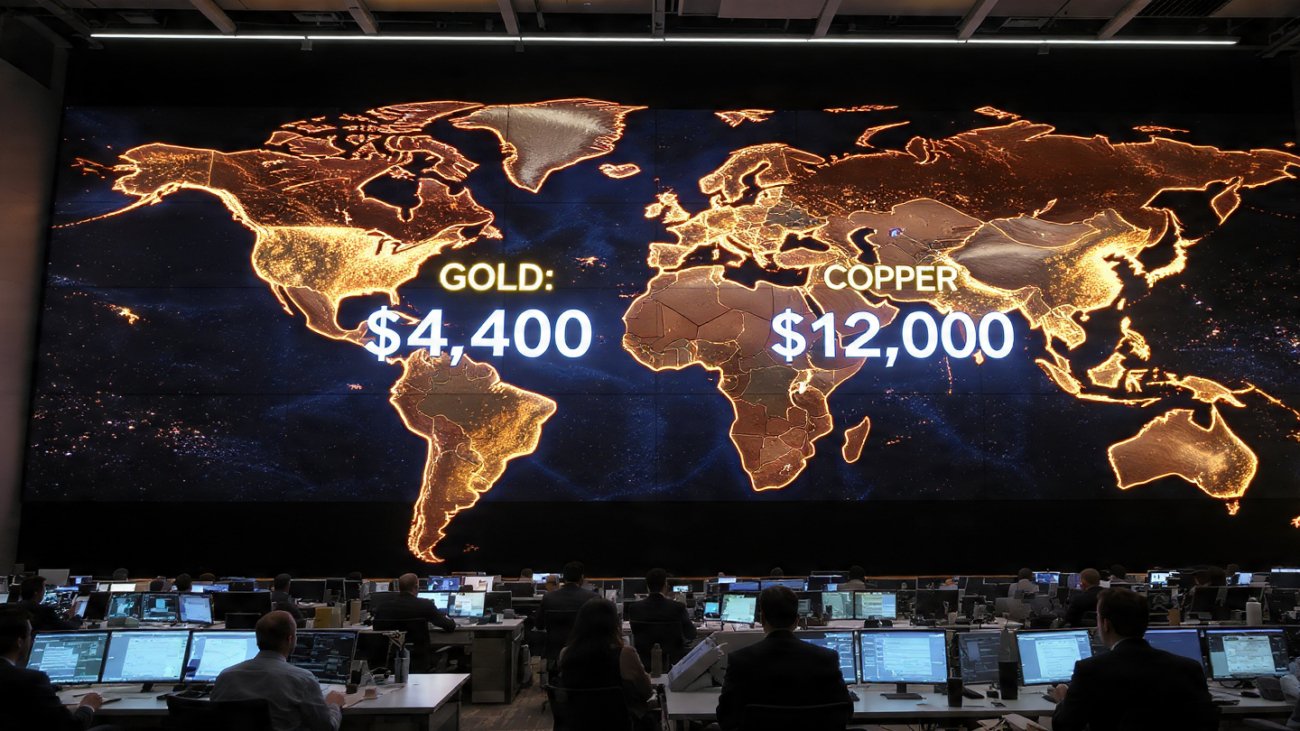
Copper’s Deficit: At the London Metal Exchange (LME), copper prices hovered near $12,000 per metric ton. Goldman Sachs and IEA reports released this week warn that the market is entering a “structural deficit” that could last until 2028.
-
Gold’s Safe Haven: Gold smashed through $4,400 per ounce on December 22, as investors hedged against potential tariff wars and celebrated the Federal Reserve’s confirmed pivot toward further rate cuts in 2026.
2. Energy Markets: Geopolitical Premiums Return
While the broader trend for oil in 2025 was a steady decline, the week of December 21 saw a sharp injection of geopolitical risk.
-
Venezuela Interception: Oil prices firmed after reports emerged on December 22 that the U.S. intercepted an oil tanker off the coast of Venezuela. This move raised immediate questions about supply disruptions from a producer that currently accounts for 1% of global output.
-
The Price Floor: Brent crude traded around $61 and WTI near $58. Despite ample global supply from non-OPEC+ members like Brazil and the U.S., the “geopolitical premium” is preventing a total price collapse.
-
Shadow Fleet Pressure: Stricter enforcement of sanctions on Russia’s “shadow fleet” has led to Urals crude trading at a significant discount ($5–$15) to Brent, creating a two-tiered pricing system that global importers must navigate carefully to avoid secondary sanctions.
3. Regulatory Relief: The EUDR 12-Month Delay
In a move that brought a collective sigh of relief to the global agricultural and timber sectors, the European Union formally finalized a 12-month delay for the EU Deforestation Regulation (EUDR) this week.
-
New Deadlines: Large and medium operators now have until December 30, 2026, to comply. Micro and small enterprises (SMEs) have until June 30, 2027.
-
Traceability is Still Key: Despite the delay, the “geolocation” requirements remain. Global exporters of coffee, rubber, and soy should not pause their compliance efforts. The Exporter Hub emphasizes that verified documentation will be the only “trust currency” that allows goods to bypass high-intensity inspections when the rules eventually take effect.
4. Agricultural Milestones: Argentina and China Trade
The week also saw significant movement in soft commodities as the Southern Hemisphere harvest began.
-
Argentina’s Record Wheat: The 2025/26 wheat harvest in Argentina is forecast to hit a record 27.7 million metric tonnes. This surplus is expected to ease global flour prices in Q1 2026, providing a major opportunity for global grain importers.
-
Soybean Diplomacy: China has officially secured over 7 million tonnes of U.S. soybeans this week, reaching the halfway mark of a major 12-million-tonne deal. This confirms that despite trade tensions, the “food security” imperative continues to drive massive bulk trade flows.
5. Strategic Outlook: The “Verification” Era
As we conclude 2025, the IEA’s Global Critical Minerals Outlook highlights a 30% surge in Lithium demand and a doubling of supply growth for battery metals. However, the price for Lithium and Nickel remains low compared to 2022 peaks, suggesting a “buyer’s market” for battery manufacturers in early 2026.
For the global exporter, the message is clear: Verification is the new protectionism. As countries implement carbon borders and deforestation checks, being a “Verified Exporter” on platforms like The Exporter Hub is no longer optional—it is the difference between a cleared shipment and a seized one.
Source: MINING.COM – Silver and Gold Soar in Year-End Rally; Copper Hits Record Highs (Dec 22, 2025)
Add a Comment