
Table of Contents
The global Raw Material and Commodity Market during the week of December 7-13, 2025, was defined by sharp price moves and conflicting long-term forecasts for key industrial metals. Copper continued its historic rally amid a worsening supply crisis, while energy and aluminum markets focused on stable output and strategic pricing.
The extreme price volatility, especially in metals, represents a major input cost risk for Indian manufacturers and exporters utilizing platforms like The Exporter Hub.
1. ⚠️ Copper Price Hits Record High on Widening Supply Deficit
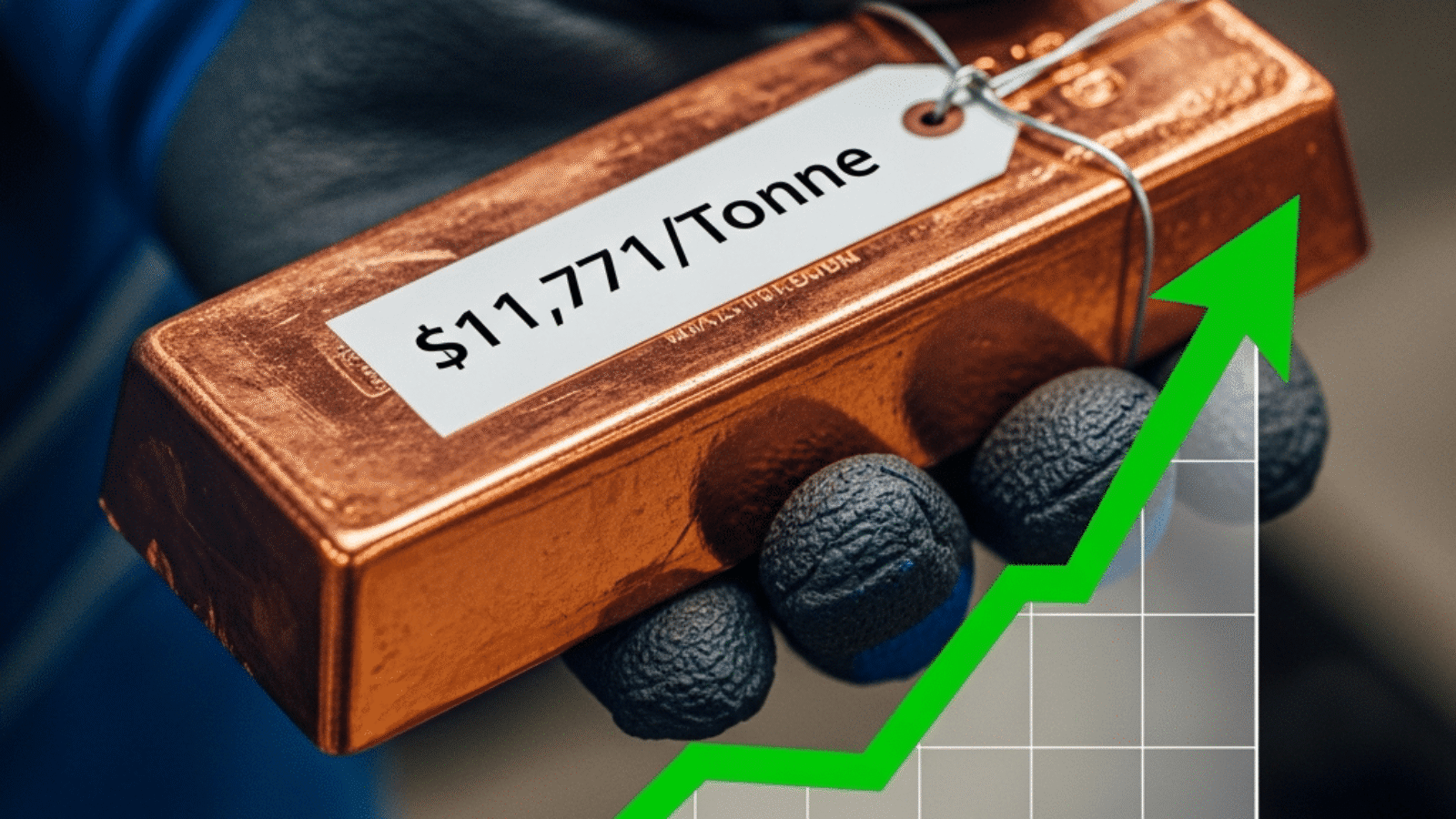
Copper, the bellwether for global manufacturing and the energy transition, reached an all-time record high of $11,771 per metric tonne (/mt) on the London Metal Exchange (LME) this week.
- Supply Crisis Deepens: The fundamental driver is the acute global refined copper deficit, which is worsening faster than expected. Analysts estimate a deficit of around 330 thousand metric tons (kmt) in 2026, leading to extremely tight market conditions.
- Mine Disruptions Persist: The market is still reeling from major production halts, notably the massive Grasberg Block Cave mine in Indonesia, which is not expected to return to full production until well into 2026. Production issues and lower ore grades in major Latin American suppliers like Chile and Peru are further constraining mine supply growth, which is forecast to be only 1.4% in 2026.
- Conflicting Forecasts: This unprecedented rally has led to a split among major research houses:
- J.P. Morgan is bullish, projecting copper prices to average around $12,075 mt in 2026, driven by demand from electrification, grid upgrades, and AI-related data centers.
- Goldman Sachs is more cautious, forecasting prices to decline somewhat from current record highs, stabilizing in the 10,000 to 11,000 mt range in the first half of 2026, arguing the market may not enter a shortage immediately.
- The Exporter Impact: For Indian electrical and construction material exporters, this high volatility translates directly into higher costs, demanding rigorous hedging strategies and flexible pricing models to maintain margins.
2. 🛢️ OPEC+ Maintains Course: Focus Shifts to Future Capacity
The energy market remained relatively stable this week after the OPEC+ (Organization of the Petroleum Exporting Countries and its allies) ministerial meeting concluded with no changes to their immediate production strategy.
- Output Stability: The alliance reaffirmed its previously announced decision to pause the additional voluntary production increments for the first quarter of 2026 (January, February, and March) due to expectations of weaker seasonal demand. This decision was a pre-emptive measure against a potential global oversupply as non-OPEC+ output (like US shale) continues to grow.
- New Mechanism for 2027: The most significant outcome was the approval of a new mechanism to reassess each member’s maximum sustainable production capacity (MSC). This MSC assessment will be carried out between January and September 2026 and will be used as the baseline for 2027 production quotas. This shift indicates a long-term strategic focus by core members like Saudi Arabia and the UAE on securing higher future quotas and regaining market share.
- Price Context: Brent Crude prices hovered in the $63 to $65 per barrel range, reflecting a balanced market where geopolitical risk and OPEC+’s managed cuts are largely offset by rising non-OPEC+ supply.

3. 🏗️ Aluminum Prices Jump as China Exports Fall
The aluminum market, which had been relatively subdued, saw a sharp price rally, driven by internal policy and demand shifts in China.
- Price Spike: Benchmark LME aluminum price reached $2,920 a tonne on December 5, its highest level since May 2022.
- Chinese Export Decline: The rally was triggered by new data showing that China’s exports of refined aluminum and related products dropped by 9.2% in the January to November period. Strong domestic demand from the Chinese manufacturing and energy sectors is absorbing most of the metal, tightening global availability.
- Output Cap Holds: With China’s domestic production expected to remain near its informal $ 45 million tonne annual cap, the decline in exports points to sustained global supply constraints, favoring producers outside of China and providing a necessary boost to global prices.
4. ⚙️ Indian Steel Sector Faces Import Pressure Despite Domestic Demand
The Indian steel market continued its trend of being pulled by two opposing forces: robust domestic consumption and rising import competition.
- Domestic Resilience: Indian steel demand is projected to grow by 8% to 9% in 2025, fueled by large-scale government infrastructure projects and strong housing development.
- Import Challenge: However, the domestic market is grappling with the persistent challenge of increasing imports, particularly from China, which continues to exert downward pressure on international steel prices due to global overcapacity.
- Raw Material Costs Stabilize: While Indian steel prices showed slight short-term fluctuations, the overall price trend is expected to be stable to slightly rising for December 2025. This relative stability comes even as raw material costs for coking coal and iron ore remain susceptible to volatility, constantly squeezing the profit margins of Indian mills.
Source : www.jpmorgan.co
Add a Comment