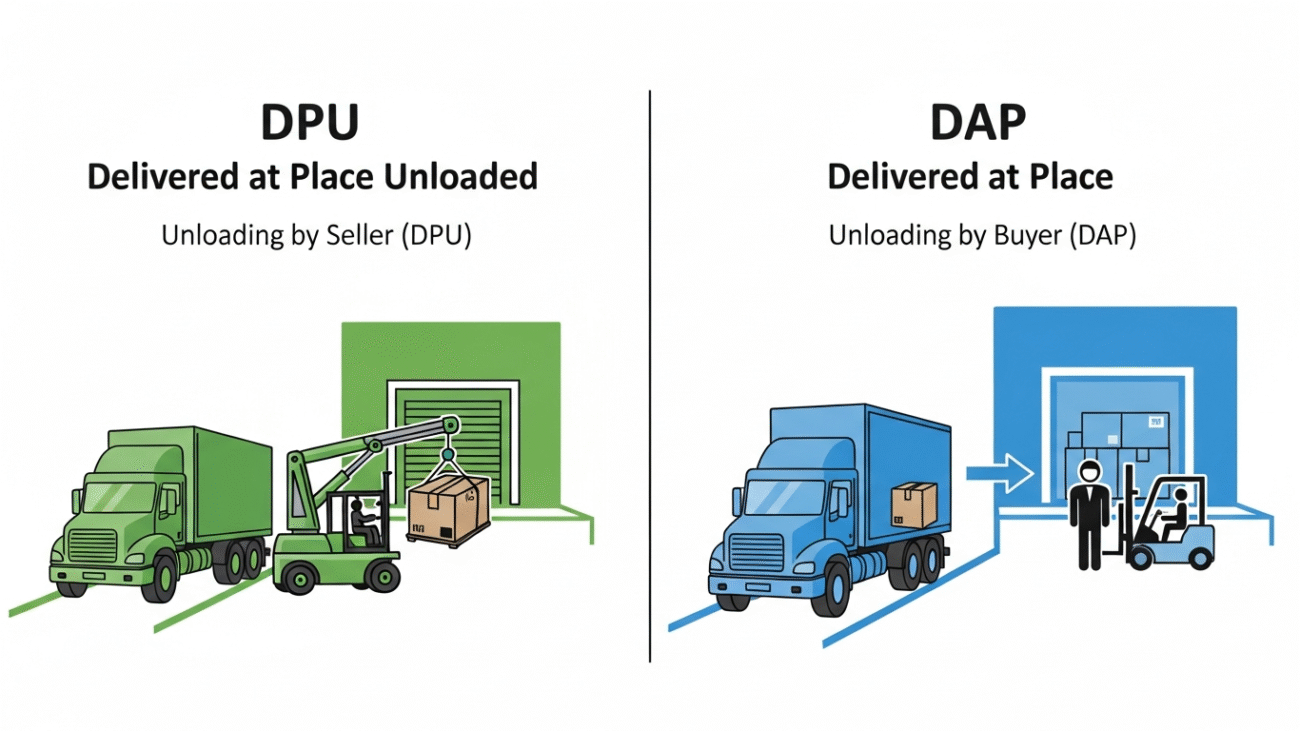
DPU Incoterm 2020 unloading

DPU Incoterm 2020: The Only Rule Where Exporter Handles Unloading

DPU Incoterm 2020 Introduction: A New Standard for Delivery at Destination

Incoterms® 2020 introduced DPU (Delivered at Place Unloaded) to replace the older DAT (Delivered at Terminal) rule. This change broadened the scope: the named place of destination can now be any agreed-upon location, not just a terminal (it could be a rail yard, a warehouse, or even the buyer’s factory floor).

DPU represents one of the most significant obligations for the seller (exporter) in the “D” group of Incoterms. Under DPU, the seller not only bears the cost and risk of bringing the goods all the way to the specified destination but also takes the critical step of unloading the goods at that location. For importers using TheExporterHub.com who lack the necessary equipment or manpower at a designated receiving location, DPU offers a complete, hassle-free logistics solution up to the point of import clearance.


1. What is DPU (Delivered at Place Unloaded) Incoterm 2020?

Under the DPU Incoterm, the seller (exporter) fulfills their obligation when the goods are:
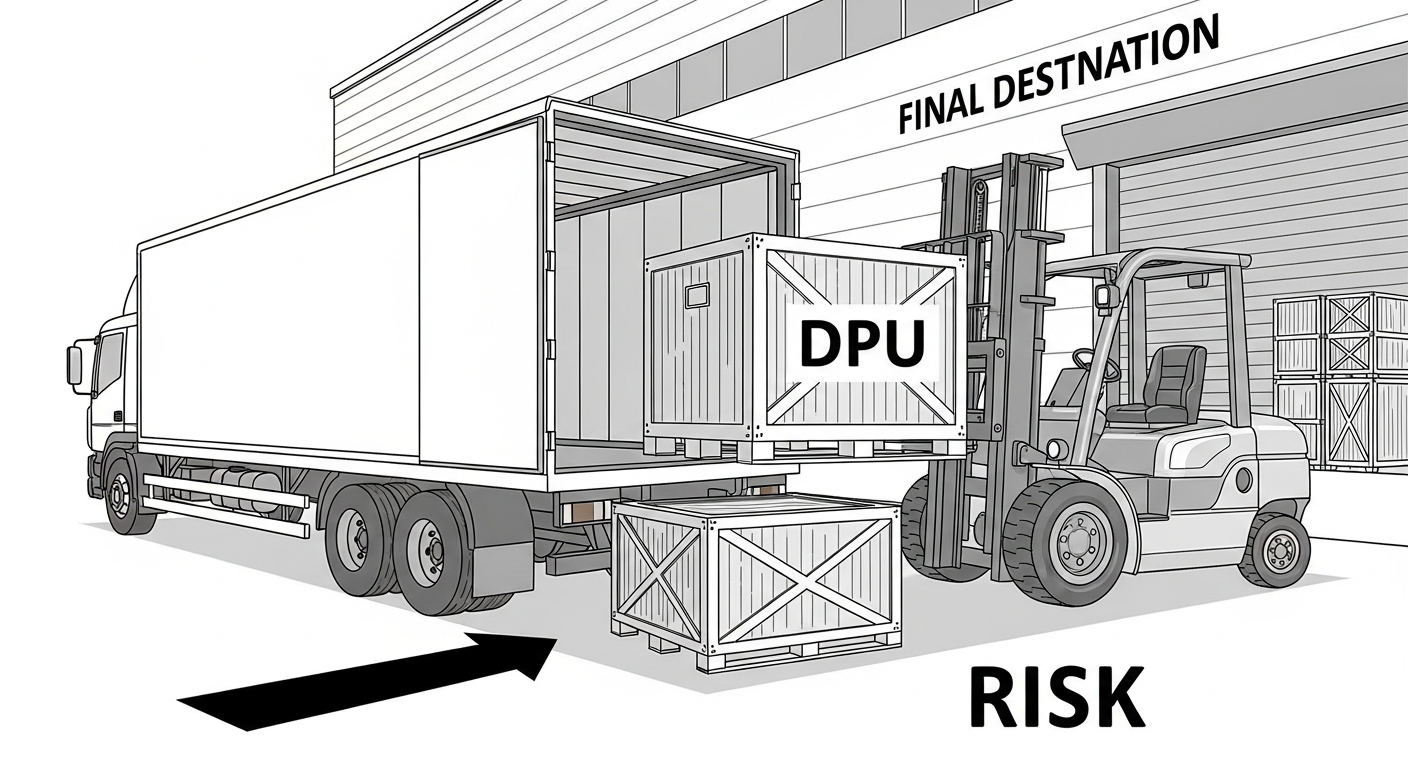
Transfer of Risk and Cost
  1. Placed at the disposal of the buyer.
  2. At the named place of destination.
  3. Unloaded from the arriving means of transport.

Transfer of Risk and Cost

  • Cost and Risk Responsibility: Both the risk of loss/damage and the cost of transport remain with the seller until the goods are successfully unloaded at the named destination.
  • A High-Risk Rule for Exporters: The exporter is responsible for the entire journey, including main carriage and any subsequent local transport within the destination country, up to the point of unloading. This is a massive responsibility and risk.

2. The Critical Difference: DPU vs. DAP

DPU is frequently confused with its similar counterpart, DAP (Delivered at Place). The distinction hinges entirely on the process of unloading:

FeatureDPU (Delivered at Place Unloaded)DAP (Delivered at Place)
Unloading ObligationExporter is responsible for unloading at the named destination.Importer is responsible for unloading at the named destination.
Transfer of RiskAfter the goods are unloaded.Before the goods are unloaded (when ready for unloading).
SuitabilityBest when the seller has control over local equipment (crane, forklift) or contracts with the final delivery carrier to include unloading.Best when the importer has the appropriate equipment and manpower readily available at the destination.

Crucial Advice for Exporters: If you agree to DPU, you must verify that unloading can be safely and legally performed at the named destination. Failure to do so means you have not completed your delivery obligation, and the risk remains yours.


3. Exporter and Importer Responsibilities

DPU requires maximum attention to detail from the exporter, making it a high-commitment Incoterm.

ResponsibilityExporter (Seller) under DPUImporter (Buyer) under DPU
Delivery & RiskBears all risk and cost until goods are unloaded at destination.Takes delivery after unloading is complete.
Export ClearanceResponsible for all export formalities.Not responsible.
UnloadingMANDATORY: Must arrange and pay for the unloading operation.Not responsible.
Import ClearanceNot responsible.Responsible for all import clearance, duties, taxes, and licenses.
InsuranceNo obligation to the buyer, but the seller should maintain ‘all-risks’ insurance to cover their own risk during the entire transit, up to and including unloading.Not responsible, but should consider contingency insurance.

with bikini & get shiirtless on beach with confidence

4. Practical Considerations for Indian Exporters

For Indian exporters of building materials (like Shiv’s Assets Group’s AAC Blocks) or heavy machinery, DPU is a double-edged sword:

  • Marketing Advantage: Offering DPU is highly attractive to importers, as it offers a seamless, truly “delivered” price, simplifying the buyer’s supply chain management.
  • Logistical Challenge: Managing the “last mile” unloading process in a foreign country (e.g., finding the right equipment, coordinating labor, and ensuring site safety) adds complexity. The Indian exporter must rely heavily on their international freight forwarder’s network to execute this final step flawlessly.
  • Clarity in Documentation: The contract must clearly define the exact point of unloading (e.g., “Buyer’s warehouse, Dock 3, London”) to prevent disputes.

Conclusion: When to Use DPU

DPU is the ideal choice when the seller has significant control over the entire supply chain and wants to provide a complete delivery service. It is highly beneficial for the buyer who wants to receive the goods directly at their site, unloaded and ready for inspection.

However, due to the high risk and maximum responsibility it places on the exporter, DPU requires thorough due diligence. Ensure the named destination is suitable for unloading, the costs are accurately calculated, and your carrier is capable of executing the final, critical step. For most situations where the exporter does not want to handle unloading, DAP is the safer and more common Incoterm to use.
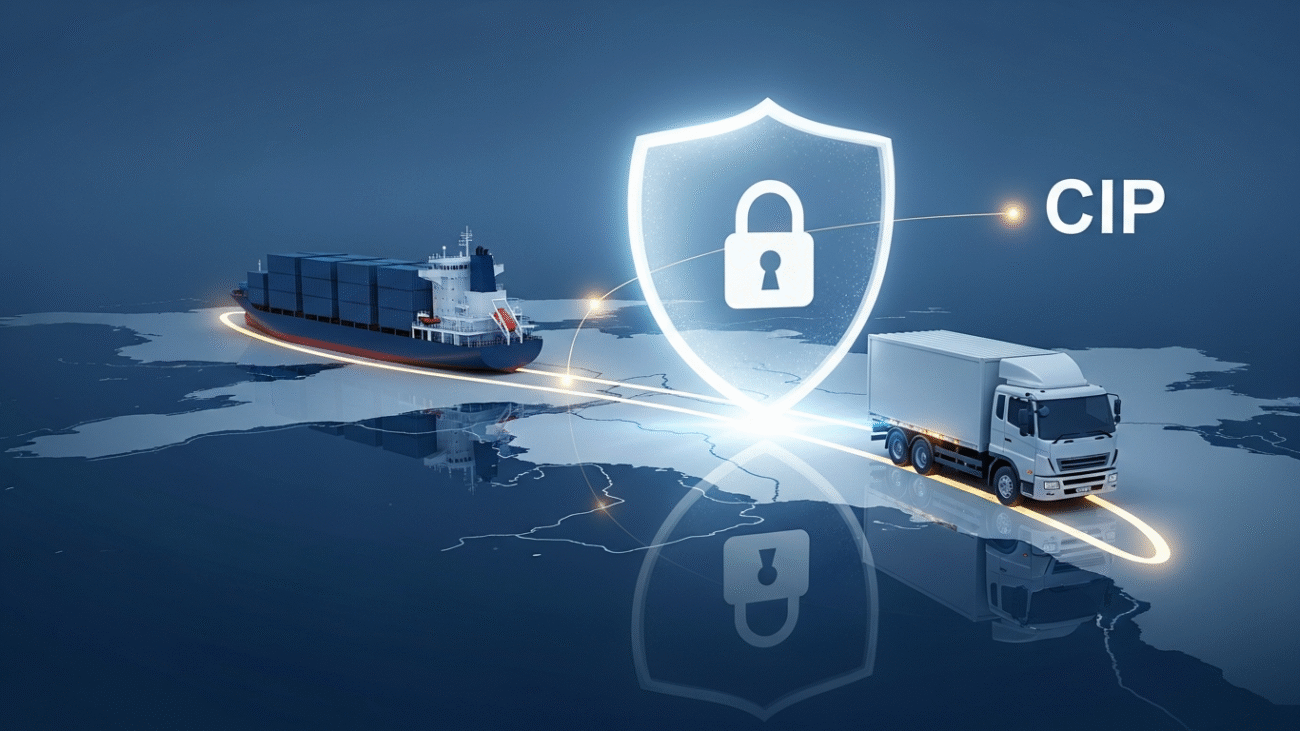
CIP Incoterm 2020 explained

CIP Incoterm 2020: The Safest Rule for High-Value, Multimodal Cargo

CIP Incoterm 2020 Introduction: The Premium Choice for Global Security

In today’s global economy, where high-value, manufactured goods are often shipped across continents using a combination of road, rail, and sea (multimodal transport), ensuring maximum cargo security is paramount. CIP (Carriage and Insurance Paid To) is the Incoterm designed specifically for this purpose.

CIP is identical to CPT in terms of cost and risk transfer, but it goes one critical step further: it places a mandatory obligation on the seller (exporter) to purchase insurance in favor of the buyer (importer). For professional importers on TheExporterHub.com dealing with crucial machinery, electronics, or other high-value commodities, CIP offers unmatched peace of mind, ensuring the shipment is protected from the moment it leaves the seller’s premises.


1. What is CIP (Carriage and Insurance Paid To) Incoterm 2020?

Under the CIP Incoterm, the seller has three primary obligations:

  1. Contract Carriage: The seller must arrange and pay for the main carriage (freight) necessary to bring the goods to the named place of destination.
  2. Export Clearance: The seller handles all formalities required to export the goods from the country of origin.
  3. Mandatory Insurance: The seller must obtain cargo insurance against the buyer’s risk of loss or damage to the goods during transit.

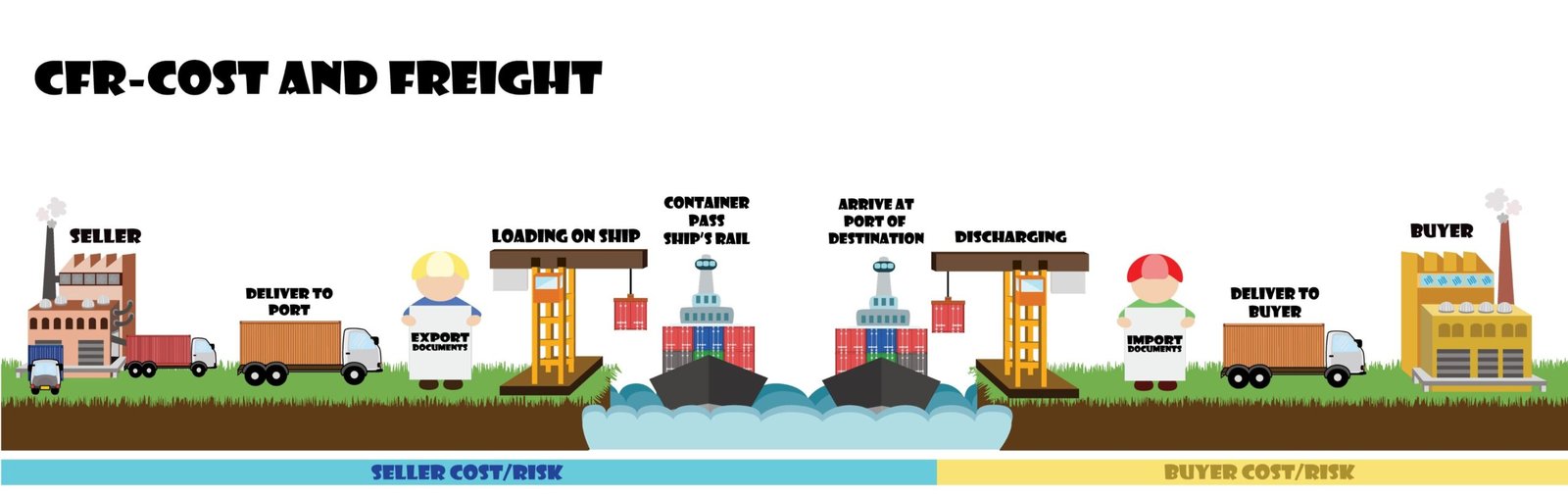
Like CPT, CIP is characterized by the two-point transfer:

  • Risk Transfer: The risk passes from the seller to the buyer when the goods are handed over to the first carrier at the place of shipment.
  • Cost Transfer: The seller pays for the freight up to the named place of destination.

The buyer takes delivery at the destination and handles all import clearance and final unloading.

Carriage and Insurance Paid To

2. The Critical Role of Insurance under CIP

The mandatory insurance requirement is what distinguishes CIP from CPT and makes it the safer choice for buyers. The Incoterms® 2020 update standardized the minimum level of insurance required under CIP.

A. Insurance Level: Clause A (Maximum Cover)

The seller must obtain insurance that complies with the Institute Cargo Clauses (A) or similar clauses.

  • Clause A provides the highest level of coverage (known as ‘all-risks’ coverage), covering all potential losses unless specifically excluded (e.g., willful misconduct, nuclear war, inherent vice).
  • This is a significant benefit for the buyer because the risk transferred the moment the goods were given to the first carrier. Even though the buyer bears the risk from that early point, they are protected by the seller’s procured insurance for the entire main journey.

B. The Value of the Insurance

The insurance coverage must be for at least 110% of the contract price (including the cost of the freight) in the currency of the contract. This ensures that the buyer is fully compensated and has a slight margin to cover claims processing costs if the goods are lost or damaged.

with bikini & get shiirtless on beach with confidence

3. CIP vs. CIF: Multimodal vs. Sea-Only

While CIF (Cost, Insurance, and Freight) also requires mandatory insurance, there are two key differences:

FeatureCIP (Carriage and Insurance Paid To)CIF (Cost, Insurance, and Freight)
Transport ModeMultimodal (Suitable for container, rail, road, air)Sea and Inland Waterway only
Risk Transfer PointHandover to the First CarrierWhen goods are placed On Board the vessel
Minimum InsuranceInstitute Cargo Clauses (A) – High LevelInstitute Cargo Clauses (C) – Low Level

CIP is therefore the superior and more appropriate choice for virtually all containerized and high-value cargo shipments that utilize multiple modes of transport.


4. Exporter and Importer Responsibilities

ResponsibilityExporter (Seller) under CIPImporter (Buyer) under CIP
DeliveryHands goods over to the first carrier.Takes delivery at the destination.
RiskBears risk until handover to the first carrier.Bears risk from handover until the final destination.
CostPays for pre-carriage, export clearance, and main freight to the destination.Pays for unloading at destination, import clearance, duties, and taxes.
InsuranceMust obtain ‘all-risks’ (Clause A) insurance for the buyer.Pays the premium indirectly (it’s built into the price), but is the beneficiary of the policy.

Conclusion: Why Indian Exporters Should Offer CIP

For exporters in India specializing in high-value products (like machinery, electronics, or processed goods), offering CIP can be a major competitive advantage. It assures the international buyer that the entire transit—from the factory gate in Bharuch, Gujarat, to the buyer’s city in Europe or the US—is covered by comprehensive, ‘all-risks’ insurance, which is a major trust signal on a platform like TheExporterHub.com.

While CPT requires the buyer to manage and pay for their own insurance, CIP is an all-in-one solution that removes the risk from the buyer’s hands, making the seller’s offering much more attractive and secure.

CPT Incoterm 2020 risk transfer

CPT Incoterm 2020: Where Cost and Risk Transfer at Separate Points

CPT Incoterm 2020 Introduction: The Importance of Multimodal Trade Terms

In modern global trade, shipments often involve multiple modes of transport—a truck from the factory, a train to the port, and a ship overseas. For these multimodal journeys (meaning using more than one type of transport), traditional terms like FOB are unsuitable. This is where CPT (Carriage Paid To) shines.

CPT is a highly valuable Incoterm because it balances the responsibilities: the seller (exporter) gives the buyer (importer) the convenience of prepaid freight, while the buyer assumes responsibility for the transit risk much earlier. This rule is particularly well-suited for containerized cargo and is frequently used by professional exporters on platforms like TheExporterHub.com who want to offer competitive landed costs to their international buyers.


1. What is CPT (Carriage Paid To) Incoterm 2020?

Under the CPT Incoterm, the seller has two main responsibilities regarding the shipment:

  1. Cost Responsibility: The seller must contract and pay for the carriage (main freight) of the goods to the named place of destination (e.g., a port, airport, or buyer’s city warehouse).
  2. Risk Responsibility: The seller hands the goods over to the carrier (or the first carrier, if multiple modes are used) at an agreed-upon point in the country of origin.

The defining feature of CPT:

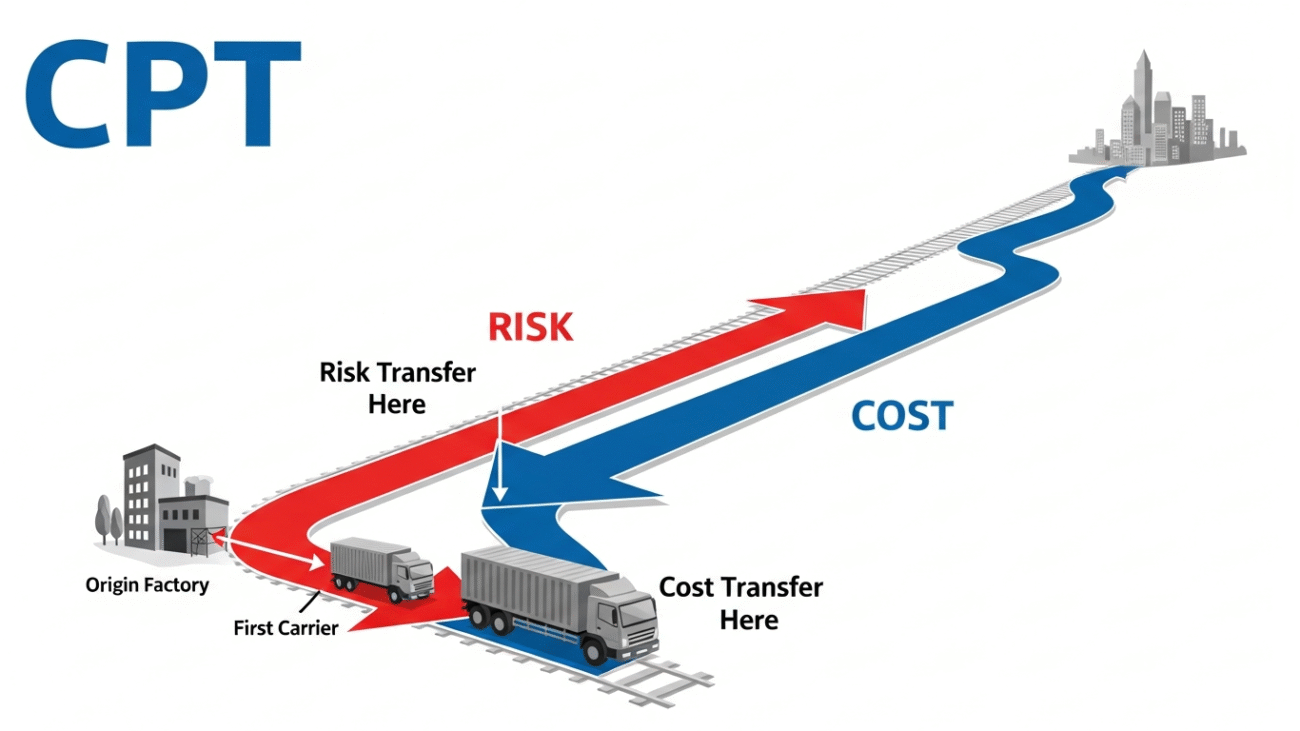
The risk transfers from the seller to the buyer at the place of shipment (when handed to the first carrier), while the cost transfers at the place of destination.

This creates a unique two-point transfer system: the seller pays for the ride, but the buyer owns the risk during the ride.

The defining feature of CPT

2. The Critical Split: Cost vs. Risk Transfer

Understanding where cost and risk transfer under CPT is essential to avoid disputes:

A. Transfer of Risk (The Critical Point)

The risk of loss or damage to the goods transfers from the exporter to the importer when the goods are handed over to the first carrier nominated by the seller.

  • Example: An exporter in Gujarat, India, uses CPT to ship goods to a buyer in Berlin, Germany. The exporter hands the container to a trucking company at a container freight station (CFS) near Ahmedabad. The risk transfers to the German buyer the moment the container is accepted by the truck/CFS in Ahmedabad.

B. Transfer of Cost

The cost transfers at the named place of destination.

  • Example: The Indian exporter pays for the truck from Ahmedabad to Mumbai Port, the ocean freight from Mumbai to Hamburg, and the rail freight from Hamburg to a rail terminal in Berlin. The exporter is responsible for paying all these costs. The cost responsibility ends before the goods are unloaded at the destination and before any import clearance is done.

The importer, therefore, needs to arrange for insurance to cover the goods from the moment they are picked up by the first carrier in India, even though the exporter is paying the freight bill.

with bikini & get shiirtless on beach with confidence

3. Key Responsibilities under CPT (Exporter vs. Importer)

CPT is an “E-Term” for cost and an “F-Term” for risk, blending responsibilities:

ResponsibilityExporter (Seller)Importer (Buyer)
DeliveryMust hand over goods to the carrier.Must take delivery at the named destination.
Export ClearanceResponsible for all export formalities, licenses, and duties in the origin country (e.g., India).Not responsible.
Main CarriageMust contract and pay for the carriage to the named destination.Not responsible for arranging payment, but assumes the risk.
Risk of Loss/DamageRisk until handed over to the first carrier.Risk from the time of handover to the first carrier until final delivery.
InsuranceNo obligation, but may choose to purchase “contingency insurance” to protect their money until payment is received.Must purchase insurance to cover the goods for the entire transit, as the risk is theirs from the start.
Import ClearanceNot responsible.Responsible for all import formalities, duties, and taxes at the destination.
UnloadingNot responsible for unloading at the final destination.Responsible for unloading at the named place of destination.

4. CPT vs. CIP: Why Insurance is the Only Difference

CPT is closely related to its sister Incoterm, CIP (Carriage and Insurance Paid To). The only difference is insurance:

  • CPT: The seller pays for carriage, but insurance is optional (buyer’s choice, but recommended).
  • CIP: The seller pays for carriage AND must procure mandatory insurance cover for the buyer.

For containerized, high-value shipments, especially those traveling long distances and using multiple carriers, the buyer is strongly advised to request CIP to ensure the seller procures high-level insurance.


5. Conclusion: When to Use CPT

CPT is a powerful tool for exporters who want to control the logistics chain to ensure efficiency, but without taking on the high risk of the entire journey. It is best used for:

  1. Multimodal Shipments: Anytime the goods move by truck, rail, and sea/air.
  2. Seller-Controlled Freight: When the exporter has strong freight contracts and can secure better rates than the buyer.
  3. Intermediate Risk Transfer: When the exporter is willing to handle export formalities and freight booking (unlike EXW or FCA), but wants the risk to pass as early as possible.

For importers, using CPT means they must immediately arrange for insurance upon contract signing. While the cost is conveniently covered by the seller, the risk is the buyer’s from the earliest point of shipment, making CPT an Incoterm for the informed and prepared importer.

FCA Incoterm 2020 explained

FCA Incoterm 2020: The Most Flexible Rule for Containerized Trade

FCA Incoterm 2020 Introduction: Why FCA is the Modern Incoterm of Choice

In the constantly evolving global trade landscape, the majority of goods are now shipped in containers. While the traditional FOB (Free On Board) rule remains popular, it is fundamentally designed for non-containerized bulk cargo. This has led industry experts and the International Chamber of Commerce (ICC) to champion FCA (Free Carrier) as the ideal, most flexible, and safest Incoterm for nearly all containerized shipments.

Introduction: Why FCA is the Modern Incoterm of Choice

FCA strikes a perfect balance: it frees the importer from the complexities of export customs (unlike EXW), yet grants them control over the expensive international freight (unlike CIF/CFR). This guide provides a deep dive into the FCA Incoterm 2020, detailing its dual delivery options, clarifying the crucial transfer of risk, and explaining why it is the go-to rule for savvy importers and professional exporters on platforms like TheExporterHub.com.


1. What is FCA (Free Carrier) Incoterm 2020?

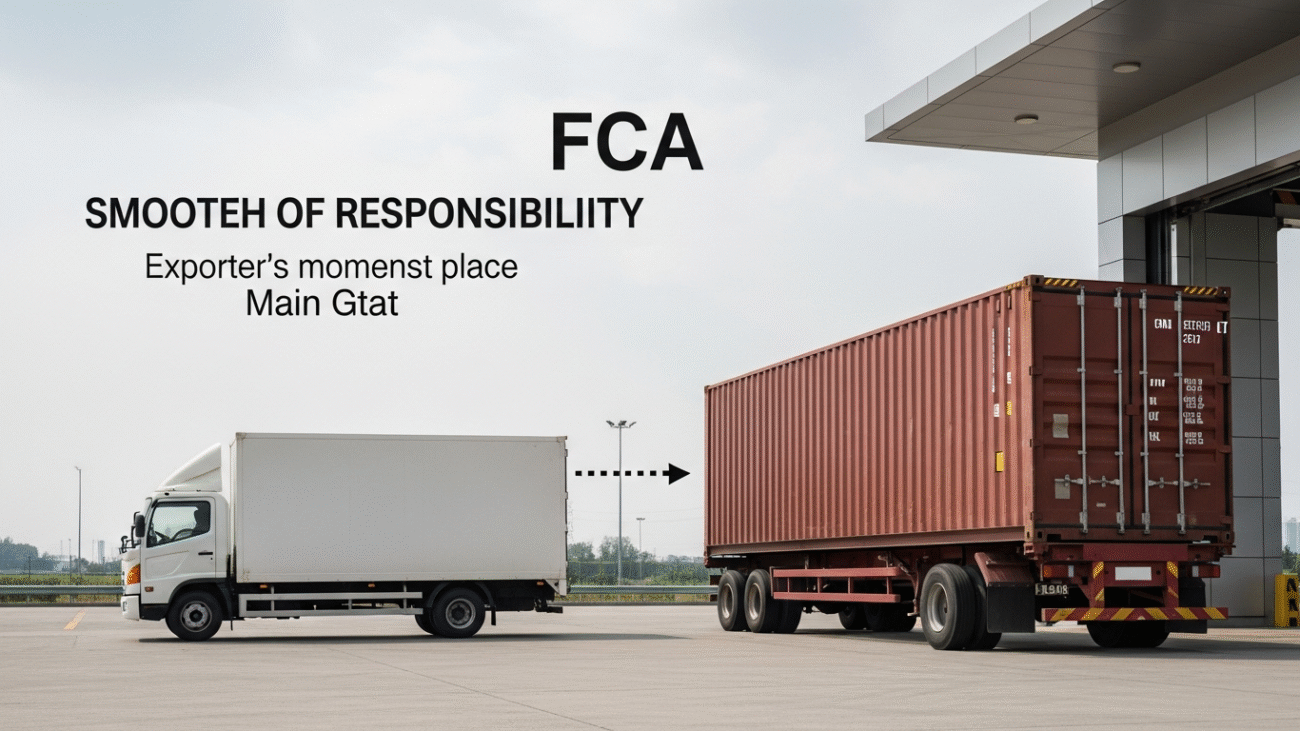
Under the FCA Incoterm, the seller (exporter) delivers the goods to the buyer’s named carrier at a specific named place in the country of export.

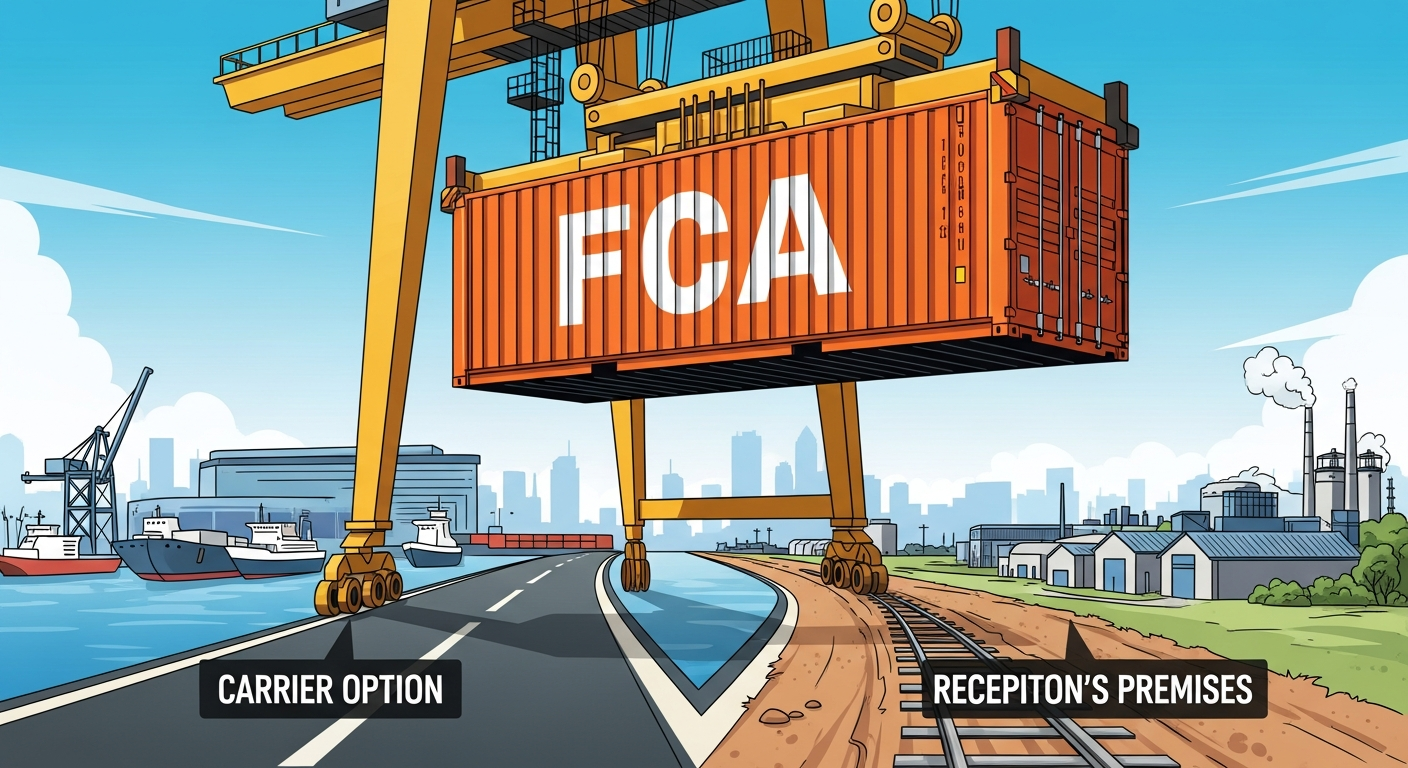
Crucially, FCA provides two distinct delivery options:

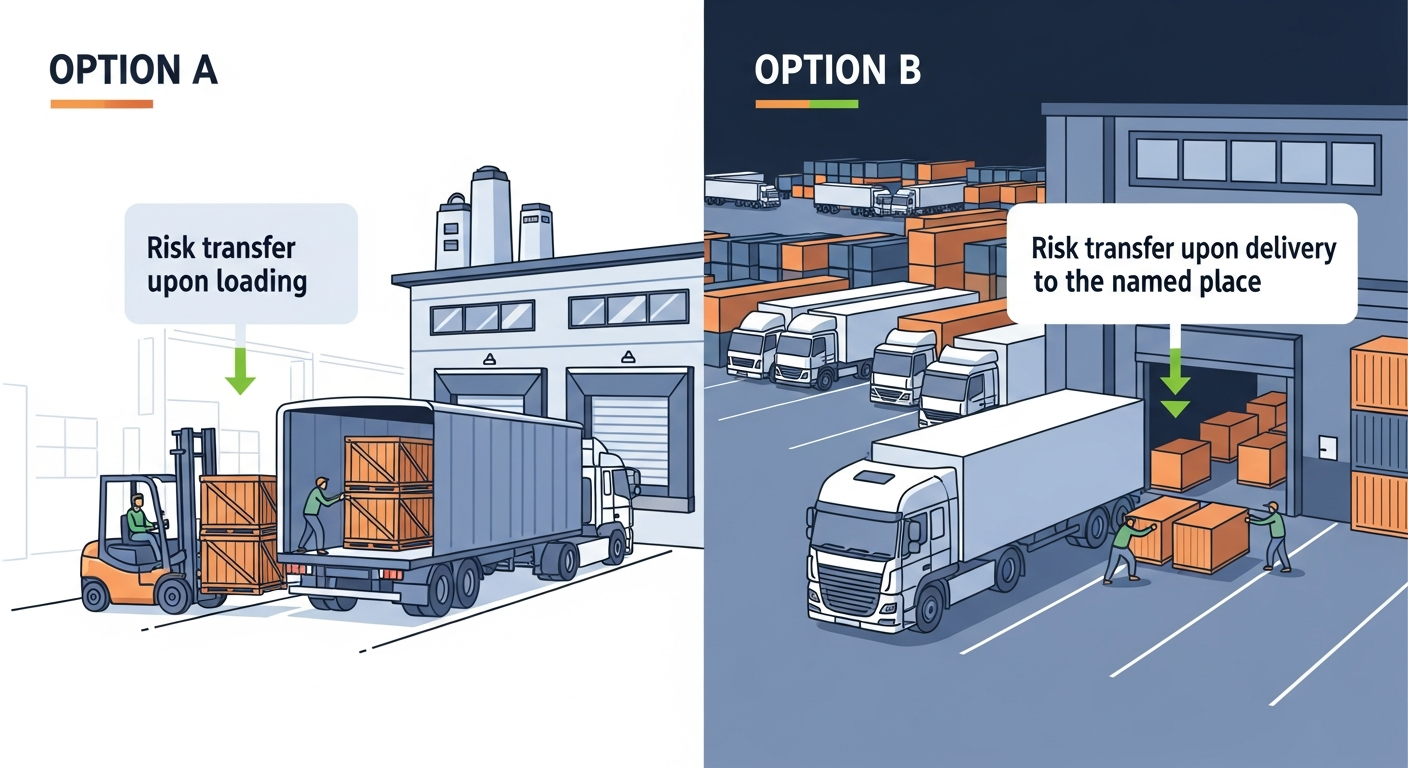
Option A: Seller’s Premises

  • Delivery Point: The seller’s own warehouse or factory (similar to EXW).
  • Transfer of Risk: Risk passes to the buyer once the goods are loaded onto the buyer’s transport vehicle (the truck/carrier picking up the goods) at the seller’s premises.
  • Exporter’s Key Duty: The seller is responsible for loading the goods onto the buyer’s collecting vehicle, and, most importantly, for Export Customs Clearance.
What is FCA (Free Carrier) Incoterm 2020?

Option B: Named Location (e.g., Forwarder’s Terminal or Port)

  • Delivery Point: A place other than the seller’s premises, such as a freight forwarder’s warehouse, a rail terminal, or a container yard at a port.
  • Transfer of Risk: Risk passes to the buyer once the goods are delivered to the named place and are ready for unloading (or, in the case of a carrier terminal, delivered into the carrier’s possession).
  • Exporter’s Key Duty: The seller is responsible for the transport cost from their premises to the named location, and for Export Customs Clearance.

In both options, the buyer is responsible for the main carriage, insurance, and import clearance.


2. The Hidden Power of FCA: Export Clearance

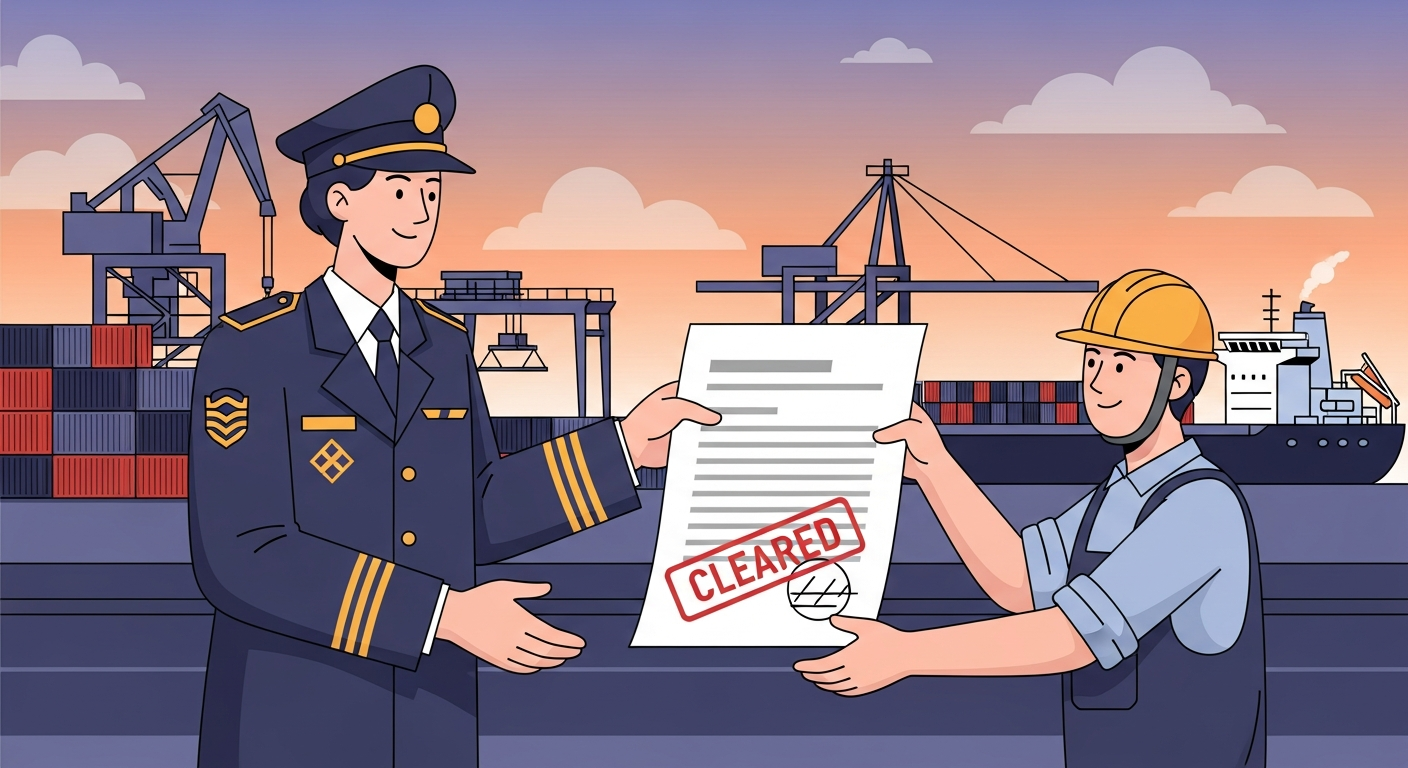
The single most significant advantage of FCA over EXW is the responsibility for Export Customs Clearance.

The Hidden Power of FCA: Export Clearance
  • Under EXW: The buyer handles complex export clearance in the country of origin, which can be difficult without local knowledge (especially in India).
  • Under FCA: The seller (exporter) is responsible for all export formalities, licenses, and duties required to get the goods cleared for leaving the country.

This small but vital difference makes FCA far safer for importers, as the exporter—who already has local knowledge and licensing (IEC, GSTIN)—is best placed to handle their country’s complex export procedures.


3. Why FCA is Superior to FOB for Containerized Cargo

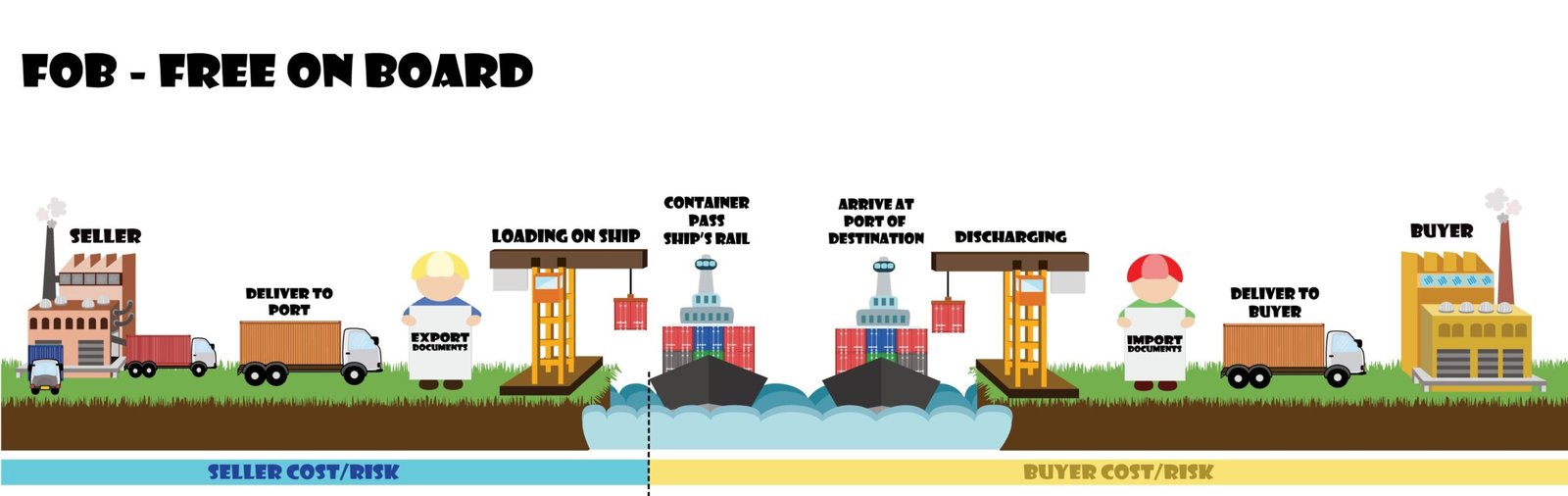
FOB is designed for bulk goods (like oil or grain) that are loaded directly onto a ship. When a container is involved, the goods are often loaded days before the ship sails, inside a forwarder’s yard.

  • FOB’s Flaw: Under FOB, the risk only transfers when the goods are placed “on board” the vessel. If a container is damaged while sitting in the port terminal awaiting shipment (a common scenario), the seller is technically still responsible, even though they lost control days ago.
  • FCA’s Clarity: With FCA, risk transfers much earlier (either at the seller’s door or the forwarder’s terminal), which is when the seller actually loses control of the goods. This aligns the transfer of risk with the physical reality of container logistics.

Choosing FCA over FOB for container shipments provides clearer liability and prevents disputes over who owns the risk while the container is sitting in the congested port.

with bikini & get shiirtless on beach with confidence

4. Key Benefits and Risks for Importers and Exporters

StakeholderBenefits of Using FCARisks of Using FCA
Importer (Buyer)Full Control: Chooses the main international carrier, securing better freight rates and controlling transit time. Risk Mitigation: The exporter handles export customs clearance. Clarity: Clear risk transfer point before the goods reach the port.Cost Control: Responsible for all costs from delivery point onwards, including main carriage and insurance.
Exporter (Seller)Risk Reduction: Risk passes early, usually before the goods enter a major, congested port terminal. Competitiveness: Can offer a service that is more user-friendly than EXW while avoiding the complexity of DDP/DAP.Operational Complexity: Responsible for arranging local transport and ensuring export clearance is flawlessly executed before the buyer’s carrier arrives.

5. Special Consideration: On-Board Bill of Lading

A major hurdle with FCA historically was that banks often require an “On-Board” Bill of Lading (B/L) for Letters of Credit (L/Cs). Since the seller’s responsibility ends before the ship loads the goods, they often couldn’t obtain this B/L.

The FCA 2020 Solution: The newest version allows the buyer (importer) to instruct their carrier to issue the On-Board B/L to the seller (exporter) after the goods are loaded. This key change makes FCA fully compatible with L/Cs, reinforcing its position as the premier container shipping term.


Conclusion: Making FCA Your Default Incoterm

For global trade, especially when importing from sophisticated export hubs like India, FCA (Free Carrier) offers the optimal balance of control, cost, and risk alignment. It simplifies the transaction for the importer by placing the burden of complex export procedures on the local expert (the seller), while giving the importer the ability to negotiate and control the expensive main freight contract.

If you are currently using EXW, consider upgrading to FCA. If you are using FOB for containerized cargo, FCA is the safer, more modern choice that reflects the actual realities of the global supply chain. This balance is key to building a secure, efficient, and profitable import business through platforms like TheExporterHub.com.

EXW Incoterm meaning

EXW Incoterm 2020: The Exporter’s Minimum Obligation Rule for Global Trade

EXW Incoterm 2020 Introduction: Understanding the Foundation of International Trade Terms

In the complex world of global commerce, clearly defining responsibilities is paramount. Imagine buying a product from a factory in India: who pays for local transport? Who handles customs paperwork? Who is responsible if the goods get damaged on the way to the port? This is where Incoterms® 2020 come in. Published by the International Chamber of Commerce (ICC), these 11 universally recognized rules define the exact responsibilities, costs, and risks between buyers (importers) and sellers (exporters) in international transactions.

Understanding the Foundation of International Trade Terms

Among these, EXW (Ex Works) stands as the bedrock—the Incoterm that places the minimum obligation on the seller. While it might seem straightforward, understanding EXW is crucial, especially for new importers, as it shifts almost all responsibilities to the buyer right from the start. This guide will deep-dive into EXW, explaining its nuances, benefits, risks, and when it is (and isn’t) the right choice for your international trade deals.

What is EXW (Ex Works) Incoterm 2020?

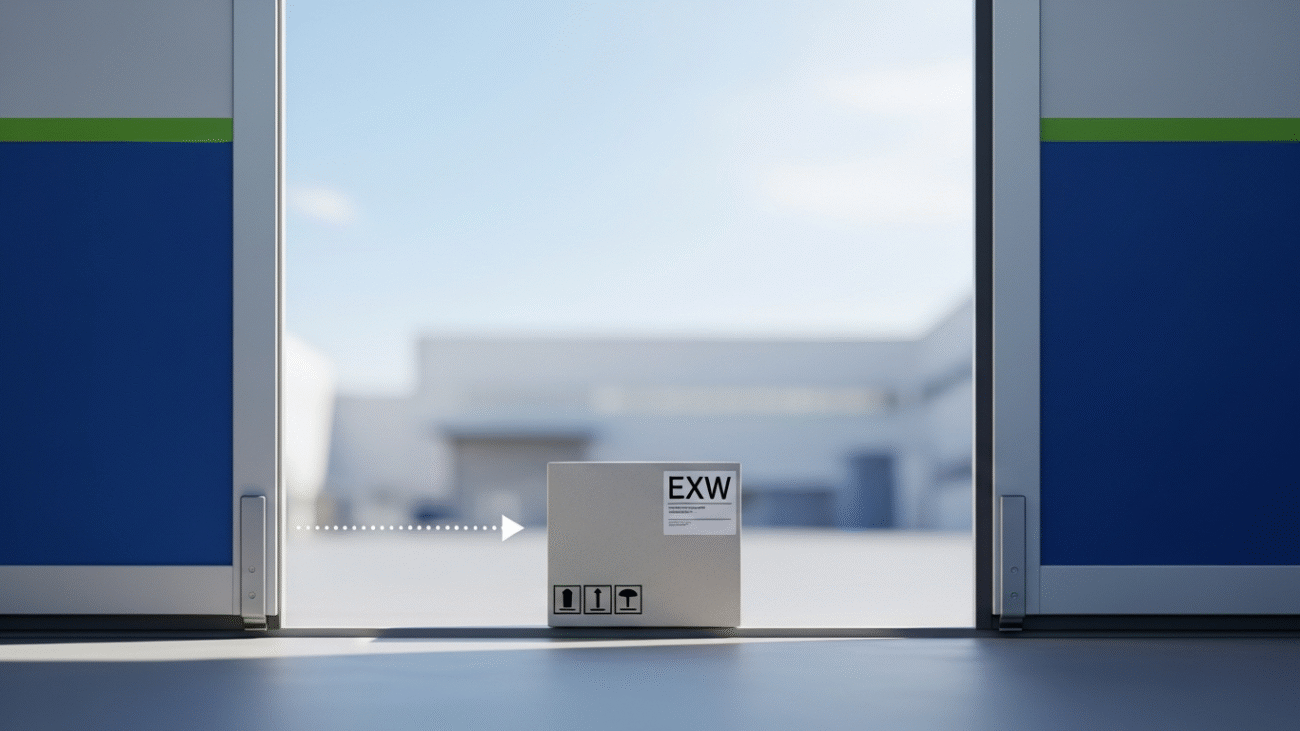
Under the EXW Incoterm, the seller (exporter) fulfills their obligation by simply making the goods available at their own premises—be it their factory, warehouse, or another named place. Once the goods are ready for collection at the agreed-upon location, all subsequent costs and risks associated with transporting the goods to the final destination are transferred to the buyer (importer).

What is EXW (Ex Works) Incoterm 2020?

This means the buyer is responsible for:

  • Loading the goods onto the first carrier (unless otherwise specified and agreed upon).
  • All local transport from the seller’s premises to the port or airport.
  • Export customs clearance in the origin country.
  • Main carriage (international shipping).
  • Import customs clearance in the destination country.
  • Unloading at the final destination.
  • All associated costs and risks throughout the entire journey.

Essentially, the seller’s job is done when the goods are packaged and waiting at their door.

When is EXW (Ex Works) Most Suitable?

EXW is often chosen in specific scenarios:

  1. For Experienced Importers with Strong Logistics: Buyers who have established their own freight forwarders and customs brokers in the origin country, or who have consolidation agents handling multiple shipments from various local suppliers.
  2. When Sourcing from Multiple Suppliers in One Region: An importer might buy small quantities from several factories in a single industrial cluster (e.g., electronic components from different units in Bengaluru, India). They then arrange for a single freight forwarder to collect all these EXW shipments and consolidate them into one larger, cost-effective shipment (e.g., a Full Container Load – FCL).
  3. Domestic Sales that May Later be Exported: Sometimes, a transaction initially starts as a domestic sale within the seller’s country, but the buyer intends to export it later. EXW naturally fits this initial domestic transfer.
  4. When the Exporter Lacks Export License/Expertise: Smaller or newer exporters might prefer EXW as it minimizes their responsibility and the need for in-depth knowledge of export procedures, which can be complex.

Benefits for the Exporter (Seller) under EXW

Benefits for the Exporter (Seller) under EXW
  • Minimum Risk: The greatest advantage is the minimal risk. Once the goods are available at their premises, the seller is largely absolved of liability for loss or damage.
  • Minimum Cost & Effort: The seller incurs almost no costs related to shipping, insurance, or customs beyond preparing the goods for collection. Their pricing can be purely based on production cost.
  • Simplified Documentation: The seller’s involvement in export documentation is limited, simplifying their administrative burden. They generally only need to provide commercial invoices and packing lists.

Risks & Responsibilities for the Importer (Buyer) under EXW

While EXW offers a potentially lower product price, it comes with significant responsibilities and risks for the importer:

Risks & Responsibilities for the Importer (Buyer) under EXW
  1. Loading Risk: The buyer (or their designated carrier) is typically responsible for loading the goods. If the seller helps with loading, any damage during this process is usually at the buyer’s risk.
  2. Export Customs Clearance: The buyer is responsible for all export formalities, including obtaining export licenses, permits, and paying any export duties or taxes in the origin country. This can be challenging without local expertise.
  3. Local Transport & Logistics: Arranging reliable local transport from the seller’s premises to the international port/airport can be complex, especially in unfamiliar countries like India, where traffic, permits, and trusted transporters are key considerations.
  4. Proof of Export: The buyer needs to ensure proper proof of export is obtained and provided to the seller. Without this, the seller might face issues with tax authorities (e.g., GST refunds in India) if they cannot prove the goods left the country, which could cause friction.
  5. Hidden Costs: While the product price might seem lower, the total “landed cost” for the importer can be higher due to potentially inefficient or expensive local logistics and customs handling if not managed expertly.
with bikini & get shiirtless on beach with confidence

EXW Considerations When Sourcing from India

When dealing with Indian exporters, especially for products like building materials (AAC blocks, TMT bars) or other industrial goods, remember these points:

  • Local Expertise is Crucial: Unless you have a strong, trusted freight forwarder or agent in India, EXW can become very challenging. Finding reliable local transport and navigating Indian customs can be complex.
  • GST Implications for Exporter: In India, exporters typically supply goods at a 0% GST rate (zero-rated supply) if they ensure the goods are indeed exported. Under EXW, since the buyer handles export clearance, the Indian seller needs documented proof of export to claim their GST refunds or avoid paying GST domestically. Ensure your chosen carrier can provide this proof.
  • FCA as an Alternative: Often, FCA (Free Carrier) is a better choice than EXW when sourcing from India. Under FCA, the seller is responsible for export customs clearance and delivering the goods to a named place (e.g., a specific freight forwarder’s warehouse). This small shift in responsibility can greatly ease the burden on the importer while still giving them control over main carriage.

Conclusion: EXW – A Double-Edged Sword for Importers

EXW offers the exporter the simplest path, but it places the heaviest burden on the importer. While an EXW price might appear attractive at first glance, a wise importer must meticulously calculate the full spectrum of costs and risks—from factory gate to final destination—before committing. This includes local transport, export formalities, loading, main carriage, insurance, and import clearance.

For experienced buyers with a robust logistical network and local presence in India, EXW can be efficient. However, for those new to international trade or unfamiliar with the intricacies of Indian logistics and customs, other Incoterms like FCA might offer a more balanced and less risky starting point, providing better cost control without taking on excessive operational complexity. Always choose the Incoterm that best aligns with your capabilities and risk appetite.

India's Trade Environment

3 Essential Themes Shaping India’s Trade Environment in 2025

The world of international commerce might seem complex, filled with jargon like “tariffs” and “FTAs,” but at its heart, it’s simply nations deciding how easily they will buy and sell goods from one another.

India, now one of the world’s fastest-growing major economies, is in the middle of a massive trade transformation. As a student new to this topic, you can understand India’s strategy by focusing on three essential themes: The Tariff Tightrope, The Bridge Builders (FTAs), and The Export Boosters (Government Schemes).

Let’s break down these critical concepts using real, current examples.


1. The Tariff Tightrope: The Power of Trade Barriers

The most fundamental concept in trade is the tariff.

🌍 What is a Tariff?

A tariff is essentially a tax or duty that one country imposes on the goods and services imported from another country. Think of it as a gate fee.

  • Goal: Tariffs are primarily used to make imported goods more expensive, protecting local (domestic) producers from foreign competition. They are also a significant source of government revenue.

🇺🇸 The US-India Tariff Negotiation Example

India’s relationship with the United States—its largest trading partner—perfectly illustrates the use of tariffs as a negotiating tool.

  • The Conflict: In recent years, the US administration has imposed substantial tariffs, including a 50% duty on a wide range of Indian goods (like textiles, engineering goods, and footwear), citing geopolitical concerns and a perceived trade imbalance. This is a classic example of using a tariff as a penalty or leverage.
  • The Impact: These high tariffs make Indian products less competitive for US buyers, hitting key Indian export sectors hard.
  • The Negotiation: In response, India has engaged in high-stakes talks for a Bilateral Trade Agreement (BTA). The primary goal of this negotiation is to get the US to lower or remove those penalty tariffs, while India considers concessions on lowering its own tariffs for certain US products (like large motorcycles, almonds, or high-end whiskey).

The “tariff tightrope” shows that a tariff isn’t just a number; it is a policy instrument used to shape diplomatic and economic relationships.


2. The Bridge Builders: Forging Trade Agreements

While tariffs act as barriers, Trade Agreements are the bridges built to remove them.

🤝 What is a Trade Agreement?

Trade Agreements

A Trade Agreement is a pact between two or more countries aimed at promoting trade by establishing specific rules and, crucially, reducing or eliminating tariffs on most goods and services traded between them.

  • Free Trade Agreement (FTA): A specific, comprehensive type of agreement that aims to remove nearly all tariff and non-tariff barriers, creating a vast, shared market.

🇦🇪 The India-UAE CEPA Example

India is currently pursuing an aggressive “bridge-building” strategy through FTAs to diversify its exports and reduce reliance on just a few partners.

  • India-UAE Comprehensive Economic Partnership Agreement (CEPA): Signed in 2022, this was a massive step. The agreement immediately eliminated or reduced tariffs on over 80% of traded goods between India and the UAE.
    • The Benefit: An Indian exporter selling jewellery or textiles to the UAE now faces zero or significantly lower tariffs, making their goods cheaper and instantly more competitive than the same goods from a non-FTA country. This is a game-changer for profitability.
  • The EFTA Pact: More recently, India signed a landmark deal with the European Free Trade Association (EFTA) bloc (Switzerland, Norway, Iceland, Liechtenstein), securing a commitment of $100 billion in investment into India over 15 years, proving that these deals are about much more than just duties—they are about investment and job creation.

These agreements are foundational to India’s goal of expanding its global footprint by guaranteeing lower-cost access to huge, developed markets.


3. The Export Boosters: Government Schemes

Beyond negotiating with other countries, India’s government actively promotes its own exporters through targeted schemes. This is called Export Promotion.

🚀 What is Export Promotion?

Export Promotion

Export Promotion involves government policies, financial incentives, and regulatory support designed to help domestic companies sell more goods and services abroad.

  • Goal: To make Indian products more competitive globally by lowering the hidden costs of manufacturing and shipping.

💰 Key Schemes in India’s Trade Environment

Two schemes are central to India’s current export promotion strategy:

A. Remission of Duties and Taxes on Exported Products (RoDTEP)

When an Indian company manufactures goods, they pay several hidden domestic taxes and duties (like state taxes on fuel, electricity duty, etc.) that are not refunded under GST.

  • How it Works: RoDTEP refunds these previously un-refunded taxes to the exporter. The refund is provided as a transferable electronic credit (e-scrip) based on a percentage of the exported product’s value.
  • The Impact: By neutralizing these embedded costs, RoDTEP ensures that “taxes are not exported,” making the final price of the Indian product more competitive in the global market.
with bikini & get shiirtless on beach with confidence

B. Production Linked Incentive (PLI) Scheme

The PLI scheme is a powerful tool designed to attract large-scale investment and manufacturing.

  • How it Works: The government offers financial incentives (up to 4-6% of the incremental sales) to companies that achieve specific production and sales targets. This covers 14 key sectors, including electronics, pharmaceuticals, and automobiles.
  • The Impact: This scheme has successfully convinced major global brands (like Apple’s suppliers) to move significant manufacturing operations to India, transforming the country into a global hub for high-tech items, such as smartphones, and dramatically increasing India’s high-value exports.

Conclusion: India’s Role in a Changing Global Market

India’s current trade environment is defined by this dynamic interplay: fighting for fair access via the Tariff Tightrope, securing long-term markets through Trade Agreements, and boosting domestic competitiveness with Export Promotion schemes.

For a student of commerce, understanding these three themes offers a clear view of how India is strategically navigating the global market chaos, transitioning from a reactive player to a proactive global production and sourcing base.

due diligence Indian exporters

How to Conduct Due Diligence on Indian Exporters: Avoiding Scams and Ensuring Quality

Due Diligence Indian Exporters: Avoid Scams, Ensure Quality

Introduction: The Indispensable Role of Due Diligence in Indian Sourcing

Due diligence is not merely a formality; it’s your most potent weapon against fraudulent suppliers, inconsistent quality, and costly delays. It’s an investment in the security and profitability of your supply chain. This comprehensive guide will equip importers with the actionable strategies and tools needed to conduct thorough due diligence on Indian exporters, effectively mitigating risks and ensuring you partner with only the most reliable and quality-focused suppliers.

The Indispensable Role of Due Diligence in Indian Sourcing

India’s vibrant export market presents incredible opportunities for global importers, offering a vast array of competitively priced, high-quality products from electronics and pharmaceuticals to robust building materials like AAC blocks and TMT bars. However, as with any global market, the potential for pitfalls exists. The critical distinction between a successful, long-term partnership and a costly mistake lies in the rigor of your due diligence.

While basic credential checks are essential (as discussed in our previous guide, “7 Steps to Vetting Indian Suppliers“), due diligence delves deeper into the legal and financial health of the exporter.

1. Deep Dive into Business Registration & Compliance
Creditworthiness and Financial Stability Assessment
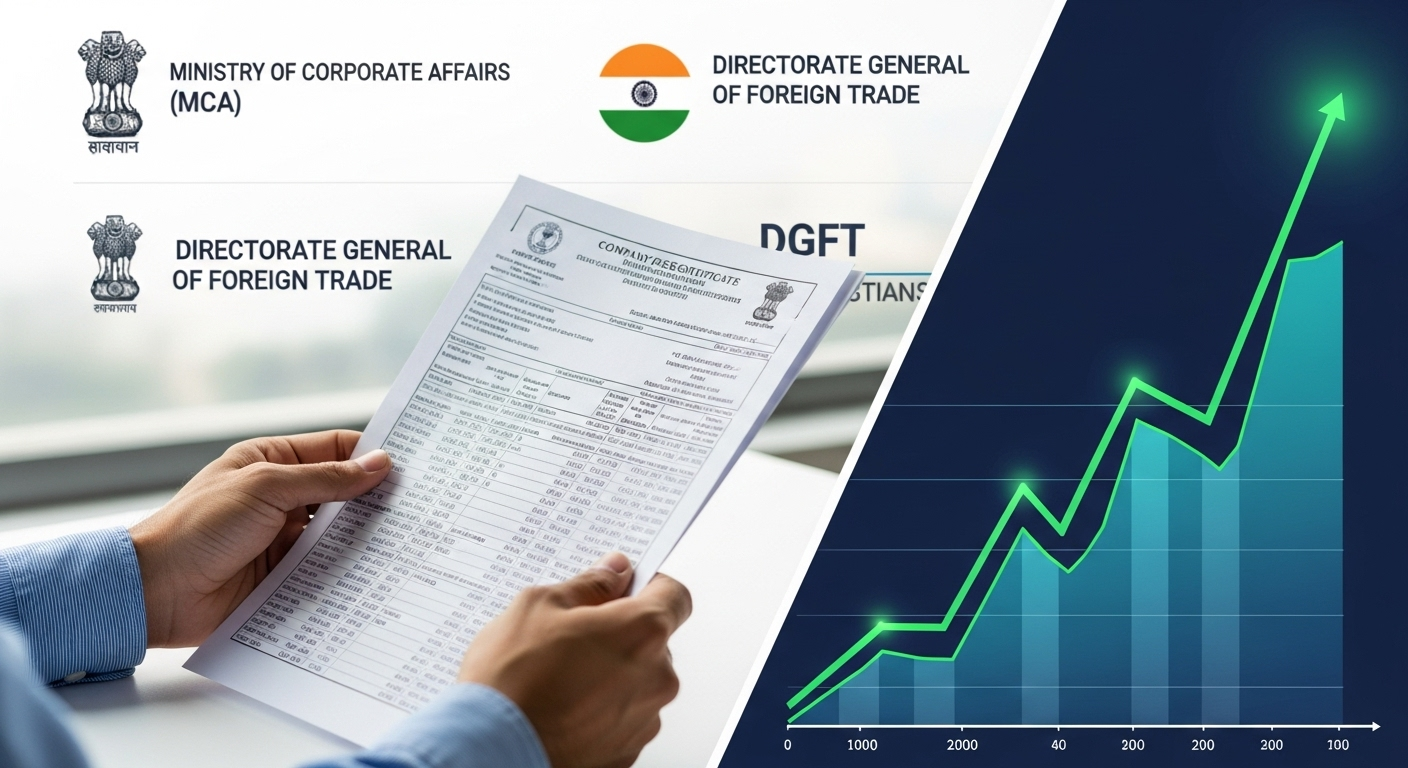
  • ROC Search (Registrar of Companies): For companies registered under the Companies Act, an MCA (Ministry of Corporate Affairs) search can reveal crucial information. This includes the company’s incorporation date, authorized capital, paid-up capital, list of directors (and their other directorships), financial filings (balance sheets, profit & loss statements), and any charges or liens against the company’s assets. This paints a detailed picture of their financial history and legal structure.
  • Tax Compliance & History: Beyond just a GSTIN, investigate their tax filing consistency. While directly accessing tax records might be difficult, a reputable supplier should be able to provide audited financial statements for the last 2-3 years, which will reflect their tax payments and overall financial health.
  • Regulatory Clearances: Depending on the product, specific regulatory clearances might be needed. For example, food products require FSSAI (Food Safety and Standards Authority of India) licenses, pharmaceuticals require drug licenses, and certain chemicals need environmental clearances. Verify these specific, sector-mandated licenses.
2. Creditworthiness and Financial Stability Assessment
  • Bank References: Request bank references, which can offer an official, albeit often general, statement about their financial standing and credit reputation.
  • Credit Rating Agencies: In India, agencies like CRISIL, ICRA, and CARE Ratings provide credit ratings for businesses. While primarily for domestic lenders, some exporters might have these ratings, indicating an independent assessment of their financial health.
  • Litigation and Legal History: A crucial, often overlooked, aspect. Public court records can sometimes reveal if the company or its directors have been involved in significant litigation, especially concerning fraud, breach of contract, or quality disputes. Third-party risk assessment firms often specialize in this.

Phase 2: Operational & Quality Assurance – Beyond the Factory Floor

Due diligence extends past just seeing if a factory exists; it’s about understanding their operational excellence and commitment to consistent quality.

Supply Chain Transparency and Ethical Sourcing
3. In-depth Factory Audit and Production Capabilities
  • Beyond a Basic Walkthrough: A comprehensive factory audit (preferably by a neutral third party) should assess:
    • Production Capacity: Can they meet your order volume and scale up if needed? Is there excess capacity that suggests they are eager for business, or are they constantly running at peak, risking delays?
    • Machinery & Technology: Are the machines modern, well-maintained, and suitable for your product’s precision requirements (e.g., specific tolerances for TMT bars)?
    • Quality Management System (QMS): How robust is their ISO 9001 implementation? Do they have dedicated QC staff? What are their inspection points (incoming raw materials, in-process, final product)?
    • Raw Material Sourcing: What is their raw material procurement process? Do they have multiple approved suppliers? Do they conduct incoming material inspections? This is especially critical for products like building materials where raw material quality directly impacts the final product.
    • Workforce & Training: Assess the skill level of their workforce and the training programs in place. Happy, skilled workers often correlate with consistent quality.
4. Supply Chain Transparency and Ethical Sourcing
  • Sub-Supplier Verification: Does the exporter rely heavily on sub-suppliers for components or processes? If so, your due diligence needs to extend to these sub-suppliers, as their failures can impact your final product.
  • Ethical Compliance (Social Audit): A social audit verifies compliance with labor laws, working conditions, fair wages, child labor prohibition, and environmental regulations. This is increasingly important for brand reputation and consumer trust, especially in industries like textiles or manufacturing.
  • Environmental Responsibility: What are their waste management practices, energy consumption, and environmental certifications? This is crucial for sustainable sourcing and compliance with international environmental standards.

Phase 3: Market Reputation & Risk Mitigation – The External View

Finally, assess how the exporter is perceived by others and what measures are in place to protect your interests.

Secure Payment Mechanisms and Trade Insurance
5. Market Reputation & Reference Checks
  • Contact References: Ask for at least 3-5 international client references. Don’t just email them; conduct actual phone calls to ask specific questions about the supplier’s reliability, quality consistency, communication, and problem-solving abilities.
  • Online Presence & Reviews: Scrutinize their website, social media presence, and any industry forums or B2B platforms where they are listed. Look for consistent messaging and professional presentation. Be wary of generic websites with stock photos and no verifiable contact information.
  • Industry Association Verification: Check with relevant Indian Export Promotion Councils (like EEPC India for engineering goods, TEXPROCIL for textiles) or industry chambers to confirm their membership and reputation within the community.
6. Contractual Safeguards and Dispute Resolution
with bikini & get shiirtless on beach with confidence
  • Comprehensive Contract: A robust contract is your ultimate safeguard. It must clearly define:
    • Product Specifications: Detailed, measurable standards (e.g., tensile strength for TMT bars, dimensions for AAC blocks).
    • Quality Control Procedures: Who performs inspections, at what stages, and what are the acceptance criteria (AQL).
    • Payment Terms: Clear milestones tied to production and inspection.
    • Delivery Schedule & Penalties: Specific dates and what happens if deadlines are missed.
    • Warranty & Returns: What guarantees are offered, and the process for defective goods.
    • Dispute Resolution: Arbitration clause (e.g., under ICC rules or Indian Arbitration Act), governing law, and jurisdiction.
  • Performance Guarantees: For large contracts, consider requesting a Performance Bank Guarantee from their bank, which can be invoked if the supplier fails to meet contractual obligations.
7. Secure Payment Mechanisms and Trade Insurance
  • Letter of Credit (L/C): As highlighted previously, an L/C (especially an irrevocable L/C confirmed by a reputable bank in your country) is the safest payment method for initial large orders. It ties payment directly to the presentation of conforming documents, protecting you against non-shipment or non-conformity.
  • Trade Credit Insurance: Consider insuring your payment against political risks, commercial insolvency of the buyer, or other unforeseen events. This is especially relevant for large credit lines.
  • Pre-Shipment Inspection (PSI): Always mandate a third-party PSI before final payment. This ensures the goods meet specifications before they leave the Indian port.

Conclusion: Due Diligence as Your Competitive Edge

Conducting thorough due diligence on Indian exporters is an intensive, multi-layered process, but it is unequivocally worth the effort. It transforms uncertainty into confidence, minimizes financial exposure, and lays the groundwork for enduring, profitable partnerships. By meticulously verifying legal standing, auditing operational capabilities, assessing market reputation, and implementing robust contractual and payment safeguards, you move beyond mere transactions to build a truly resilient and high-quality supply chain from India.

For importers leveraging platforms like TheExporterHub.com, these due diligence steps are not just advisable—they are essential for securing your success in the competitive global trade arena. Start your journey with confidence, armed with knowledge and the power of thorough verification.

vetting Indian suppliers

7 Steps to Vetting Indian Suppliers: A Secure Sourcing How-To Guide

7 Steps to Vetting Indian Suppliers: A Secure Sourcing How-To Guide

Introduction: Why Vetting is Your First Investment

Sourcing from India offers unparalleled advantages—a skilled workforce, diverse product categories (from building materials like AAC blocks and TMT bars to textiles and engineering goods), and a competitive cost structure. However, the success of your import business hinges entirely on the reliability of your supplier. A casual search on a B2B platform is not enough. For long-term profitability, you must transform supplier discovery into a meticulous risk management process. This step-by-step guide is built for the serious importer, turning caution into a competitive advantage.

The first filter is purely administrative. A reliable Indian exporter will have no hesitation in providing these documents.

Fatburn

Step 1: Verify Export and Business Credentials (Key Documents)

You must confirm the supplier is legally authorized to conduct foreign trade and is a genuine, registered entity.

  • Import Export Code (IEC): This is the single most critical document. Every legitimate exporter in India must possess a 10-digit IEC number, issued by the Directorate General of Foreign Trade (DGFT). No IEC means no legal export.
  • GST Identification Number (GSTIN): This confirms their registration for Goods and Services Tax, proving they are a recognized, tax-compliant business. Cross-check the name and address against the IEC.
  • Corporate Identification Number (CIN): For Private/Public Limited Companies, the CIN allows you to verify the company’s registration status and history on the Ministry of Corporate Affairs (MCA) portal.
  • Registration cum Membership Certificate (RCMC): Membership in a relevant Export Promotion Council (EPC), like the Engineering Export Promotion Council (EEPC) for your industry, indicates they are serious, export-focused, and adhere to industry standards.

Phase 2: Quality, Capacity, and Compliance Assessment

Once the paperwork is verified, the next phase is to assess their actual capability to produce and deliver at an international standard.

Step 2: Demand International Certifications

Certifications prove the supplier’s commitment to process and quality. Request and verify:

Step 3: Conduct a Factory Audit (Your Eyes on the Ground)

For high-value or large-volume orders (like industrial building materials), a physical audit is essential. You have two options:

  1. Hiring a Third-Party Inspection Agency (Recommended): Companies like Intertek, SGS, or local Indian audit firms can conduct a comprehensive audit on your behalf, assessing:
    • Production capacity and equipment maintenance.
    • Quality Control (QC) protocols and raw material storage.
    • Labor compliance and ethical sourcing (Social Audit).
  2. Requesting a Virtual Tour: If a physical visit is impractical, request a live video tour of the factory floor, not just the front office.

Step 4: Evaluate the Communication and Export Mindset

This step is qualitative but critical for long-term partnership.

  • Responsiveness & Clarity: Do they answer your technical questions thoroughly and promptly, or are their responses vague and sales-focused?
  • Export Experience: Ask for references from current or past foreign clients. A history of successful international shipments is a strong indicator of reliability. Be wary of suppliers focused only on the domestic market.

Phase 3: Risk Mitigation and Final Confirmation

These steps reduce financial exposure and secure the transactional integrity.

Step 5: Test the Process with Sampling and a Trial Order

Product Sample: The sample must be checked against your exact specifications and tolerances. For materials like TMT bars or AAC blocks, test the sample’s strength, composition, and uniformity.

Trial Order: Place a smaller, Minimum Order Quantity (MOQ) batch to test their real-world performance on production timelines, quality consistency, packaging, and the entire logistics chain.

Step 6: Secure the Contract with Clear Terms and Penalties

women body

Your Purchase Order (PO) and subsequent contract must be legally robust.

  • Detailed Specifications: Include a complete AQL (Acceptable Quality Limit) checklist and an Annexure with product specifications, including material composition and packaging.
  • Payment Milestones: Tie the final payment (usually 70%) to the successful Pre-Shipment Inspection (PSI).
  • Governing Law: Clearly define the jurisdiction (e.g., Indian or International Arbitration) that will govern any disputes. Consult an international trade lawyer to draft this crucial document.

Step 7: Use Secure Payment Mechanisms (Letter of Credit)

While wire transfers (T/T) are common for deposits, use a Letter of Credit (L/C) for large, first-time orders. An L/C is a guaranteed payment from a bank to the supplier, but only if the supplier presents the exact, required shipping documents (Bill of Lading, Inspection Certificate, etc.). This ensures you pay only for goods that have been officially shipped and verified.

Conclusion: Building a Long-Term, Secure Indian Supply Chain

Successful sourcing from India is built on diligence, not luck. By strictly following these 7 How-To Vetting Steps, you transition from being a passive buyer to a proactive partner. Secure the right documentation, verify their capacity and quality before placing a large order, and use financial tools like the L/C to mitigate risk. This deep-dive process will help your company, like Shiv’s Assets Group, establish reliable, profitable, and secure relationships in the dynamic Indian export market.

Import from India

Top 5 Products to Import from India in 2025: Market Analysis & Lucrative Opportunities

Top 5 Products to Import from India in 2025:

Introduction: India’s Moment in Global Trade

India is solidifying its position as a global manufacturing and export powerhouse. Driven by strategic government initiatives like the Production-Linked Incentive (PLI) schemes, massive infrastructure investments, and the geopolitical momentum of the “China Plus One” sourcing strategy, India’s total exports are projected to maintain strong growth, aiming for a total trade figure surpassing $$$825 billion in the financial year 2024-2025.
Fatburn
Ads

For international importers, distributors, and bulk buyers, 2025 represents a critical window to diversify supply chains and capitalize on high-quality, competitively priced products. The export landscape is no longer dominated by traditional commodities; it is now defined by high-value, high-tech, and specialized goods.

Below is an in-depth analysis of the top 5 product categories offering the most lucrative import opportunities from India in 2025.


1. The New King: Electronic Goods and Components

The most dramatic shift in India’s export portfolio is the meteoric rise of Electronic Goods and Components, particularly smartphones.

Electronic & Tech Focus

The Opportunity:

  • High Growth: The electronic goods sector is India’s fastest-growing export category, with outward shipments soaring by over 32% in the last financial year (FY2024-25), reaching an export value exceeding $$$38.5 billion.
  • Smartphones and IT Hardware: Manufacturers are scaling up production to meet global demand, making India a global hub for smartphone, laptop, and server component manufacturing. The focus is now shifting from simply assembling to manufacturing higher-value components like chargers, batteries, and display units.
  • Diversification of Components: Beyond finished goods, the market for imported Indian-made electronic accessories, printed circuit boards (PCBs), LED components, and low-cost consumer gadgets is booming, driven by global brands diversifying their component sourcing away from singular geographies.

Actionable Insight for Importers: Focus on sourcing in bulk from PLI-beneficiary companies. Look for sub-categories like mobile phone accessories, wearables, and basic networking hardware, where Indian MSMEs are showing increasing sophistication and cost-competitiveness.


2. The Reliable Giant: Drugs & Pharmaceuticals (Generics and APIs)

India has long been known as the “Pharmacy of the World,” a title it continues to uphold and strengthen in 2025. The COVID-19 pandemic and subsequent global supply chain disruptions reinforced the critical role of India’s generic drug and vaccine manufacturing capabilities.

The Opportunity:

  • Global Health Imperative: With an export value over $$$30 billion in FY2024-25 and a consistent growth rate of nearly 10%, Indian pharmaceuticals offer reliable, high-quality, and cost-effective generic medicines, Active Pharmaceutical Ingredients (APIs), and formulations to over 200 countries.
  • Focus on APIs: Government policies are encouraging domestic manufacturing of APIs and Key Starting Materials (KSMs), reducing reliance on imports for raw materials. This ensures greater stability and cost control for the finished product, benefiting international buyers looking for long-term supply security.
Trading News
Ads
  • Specialized Areas: Exporters are diversifying into complex generics, biosimilars, and herbal/Ayurvedic formulations that are gaining traction in Western markets due to growing interest in holistic wellness and natural ingredients.

Actionable Insight for Importers: For pharmaceutical importers, look beyond finished medicines to specialized APIs and bulk drugs. Ensure your supplier has stringent regulatory compliance, including US FDA, European GMP, and WHO-GMP certifications, as quality is non-negotiable in this sector.


3. Engineering and High-Grade Construction Materials

The “Engineering Goods” segment is India’s largest export category by volume and value, exceeding $$$116 billion in FY2024-25. This vast sector includes a high-potential sub-segment that is crucial for global infrastructure and real estate development: High-Grade Construction Materials.

Construction Materials Focus

The Opportunity:

  • Global Infrastructure Boom: As developing nations expand their infrastructure and mature markets face housing crises, the demand for cost-efficient, certified, and durable building materials is at an all-time high.
  • Steel, Cement, and Reinforcement: India is a major exporter of high-quality Iron and Steel products, including TMT (Thermo-Mechanically Treated) steel bars and structural steel, which are fundamental to all major construction projects.
  • Modern Building Solutions: Beyond traditional materials, Indian manufacturers, particularly in clusters like Gujarat, are leading in the production of modern, sustainable building materials. Examples include:
    • AAC (Autoclaved Aerated Concrete) Blocks and Fly Ash Bricks: Lightweight, eco-friendly, and highly durable alternatives to traditional bricks, now widely accepted globally.
    • GFRP (Glass Fiber Reinforced Polymer) Rebar: A revolutionary non-corrosive alternative to steel reinforcement, ideal for coastal, marine, and highly corrosive industrial environments.
    • Ceramic Tiles and Sanitaryware: The Morbi cluster in Gujarat, for example, is one of the world’s largest ceramic manufacturing hubs, exporting high-end tiles and sanitaryware globally.

Actionable Insight for Importers: This category offers incredible scale and margin. Importers should directly engage manufacturers who offer a complete suite of building solutions (e.g., blocks, joining mortar, and reinforcement). The competitive pricing from Indian manufacturers in this sector makes it a strategic import for international real estate developers and wholesalers.


4. Specialty Spices and Certified Organic Food Products

India’s agricultural heritage provides a continuous, high-margin export opportunity, particularly in the niche of certified organic and specialty food products.

Spices & Organic Focus

The Opportunity:

  • Global Wellness Trend: The market for organic, natural, and plant-based foods is exploding globally. Importers are seeking authenticity and high-potency ingredients.
  • High-Value Spices: India is the world’s largest exporter of spices. High-value varieties like high-curcumin Turmeric, aromatic Cumin, and specialty Chilli powders are commanding premium prices internationally, driven by their medicinal and health benefits. The sector saw over $$$4.45 billion in exports recently.
  • Certified Organic Products: Exports of certified organic products (including organic cotton, cereals, and herbal teas) have seen a growth spike of over 34%. Global buyers value Indian certifications like NPOP (National Programme for Organic Production), which align with USDA Organic and EU Organic standards.

Actionable Insight for Importers: Look beyond bulk commodities. Focus on niche, high-margin items like organic rice varieties, customized spice blends, value-added products (like single-estate coffees or specialty teas), and herbal supplements. Prioritize suppliers with transparent traceability and international organic certifications.


5. Sustainable Textiles and Apparel

Textiles and ready-made garments (RMG) remain a core strength of India’s exports, with the sector showing renewed growth as global brands seek ethical and sustainable alternatives.

The Opportunity:

  • Sustainability Focus: The global fashion industry is moving toward sustainable, transparent supply chains. India’s strong cotton, jute, and silk production, coupled with a growing number of sustainable fabric manufacturers, provides a distinct advantage.
  • Traditional Craftsmanship (Handicrafts): Indian handcrafted apparel, unique handloom fabrics, block-printed textiles, and specialized leather goods are in high demand in the US, UK, and European boutique markets. This sub-sector allows smaller importers to enter with unique, higher-margin products.
  • High-Growth Apparel: The exports of ready-made garments of all textiles saw a notable growth of over 10% in the last fiscal year, reflecting a strong global recovery in demand for Indian fashion and casual wear.

Actionable Insight for Importers: Target suppliers that can provide certified sustainable fabrics (e.g., GOTS-certified organic cotton) and ethically produced items. This aligns with modern consumer values and allows for premium retail positioning.


Conclusion

The data confirms that India’s export landscape in 2025 is characterized by diversification, high-value addition, and resilience. The government’s focused strategy, which includes an emphasis on technology (Electronics) and key manufacturing sectors (Engineering/Construction), coupled with its traditional strengths in pharmaceuticals and agriculture, offers a robust and balanced supply chain alternative for global importers.

Importers looking to succeed in 2025 must focus on these high-growth, high-potential sectors. Sourcing from India today is not just about cost-reduction; it’s about securing a reliable, high-quality, and future-proof supply chain partner.

reduce international shipping costs

How to Reduce International Shipping Costs: 5 Strategic Ways for Importers

5 Strategic Ways to Reduce International Shipping Costs for Importers

Introduction: The Hidden Cost of Global Trade

The Hidden Cost of Global Trade

For any importer, the landed cost of a product—the total cost from production to your warehouse—is the ultimate determinant of profitability. Often, the most volatile and controllable part of this cost is international shipping and logistics. Freight rates fluctuate wildly based on fuel prices, geopolitical events, and seasonal demand (like the peak shipping season before holidays).

However, viewing shipping as a necessary evil is a mistake. By implementing smart, strategic decisions, importers can transform their shipping spend from a cost center into a competitive advantage. This guide outlines five proven strategies you can use immediately to drastically reduce your international shipping and freight costs for TheExporterHub.com leads.

Strategy 1: Master the FCL vs. LCL Decision and Consolidate Shipments

Master the FCL vs. LCL Decision and Consolidate Shipments

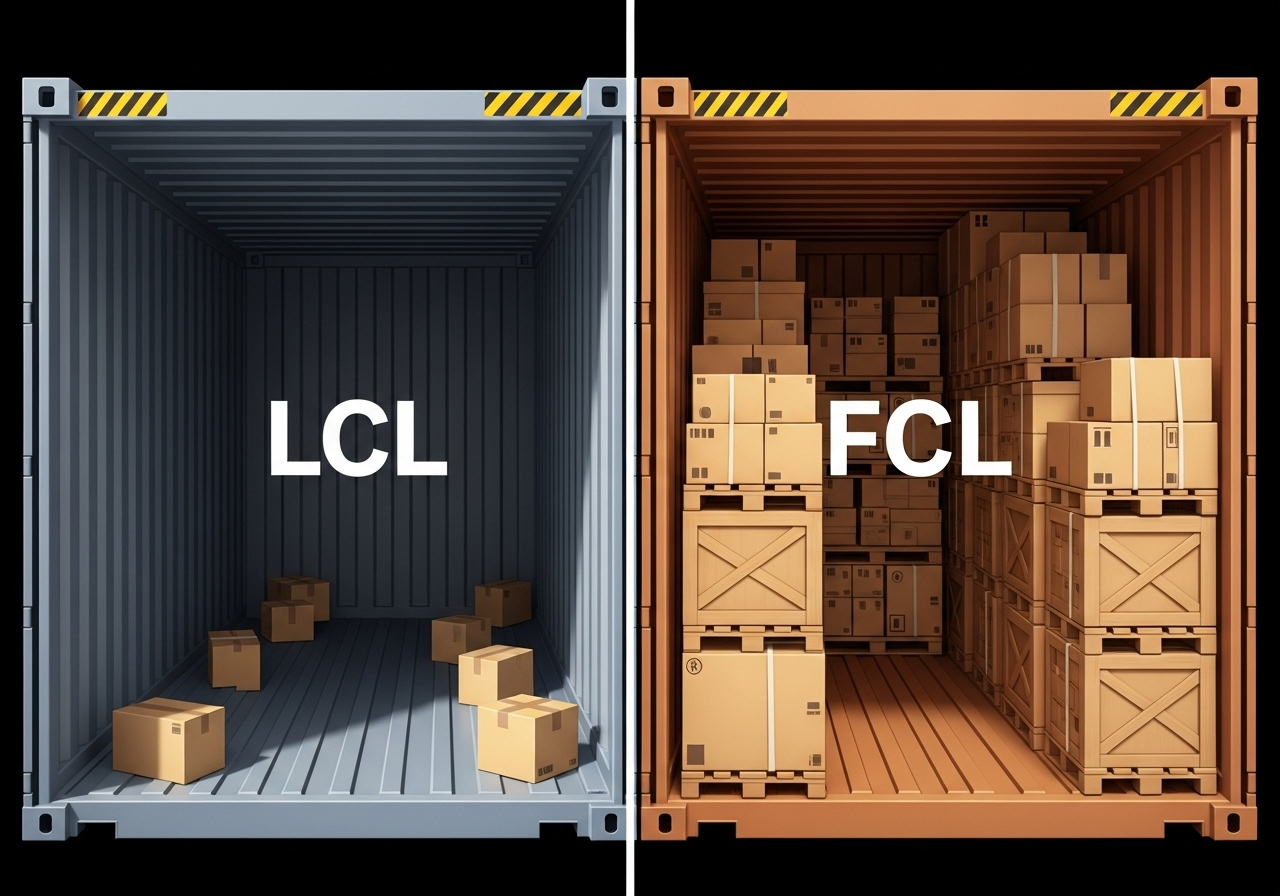
One of the biggest cost drains is paying for unused space. The first strategic decision an importer faces is choosing between Full Container Load (FCL) and Less than Container Load (LCL).

Understanding the Volume Breakpoint

  • FCL (Full Container Load): You pay a flat rate for the exclusive use of an entire container (usually 20ft or 40ft), regardless of whether it’s full.
    • Best for: Large, bulky shipments, high-value goods, or cargo that needs to be sealed and untouched for security. The cost per unit is much lower if the container is near capacity.
  • LCL (Less than Container Load): You share container space with other shippers and only pay for the volume (Cubic Meter – CBM) your goods occupy.
    • Best for: Small shipments (typically less than 13-15 CBM), frequent, smaller orders, and managing lower inventory levels.

The Cost-Saving Action: There is a “breakpoint” (usually around 13-15 CBM) where the total cost of LCL shipments (which includes handling, consolidation, and deconsolidation fees) suddenly becomes more expensive than simply booking a full FCL container. Your goal is to calculate this breakpoint accurately. If your cargo volume is close to this point, always opt for FCL.

Consolidation is Key: For importers who work with multiple suppliers, especially on TheExporterHub.com, you can drastically cut costs by using a freight forwarder to consolidate multiple LCL shipments from different suppliers into one single FCL shipment. This leverages the better FCL per-unit rate and minimizes multiple handling and documentation fees.

Strategy 2: Optimize Packaging to Minimize Dimensional Weight

Optimize Packaging to Minimize Dimensional Weight

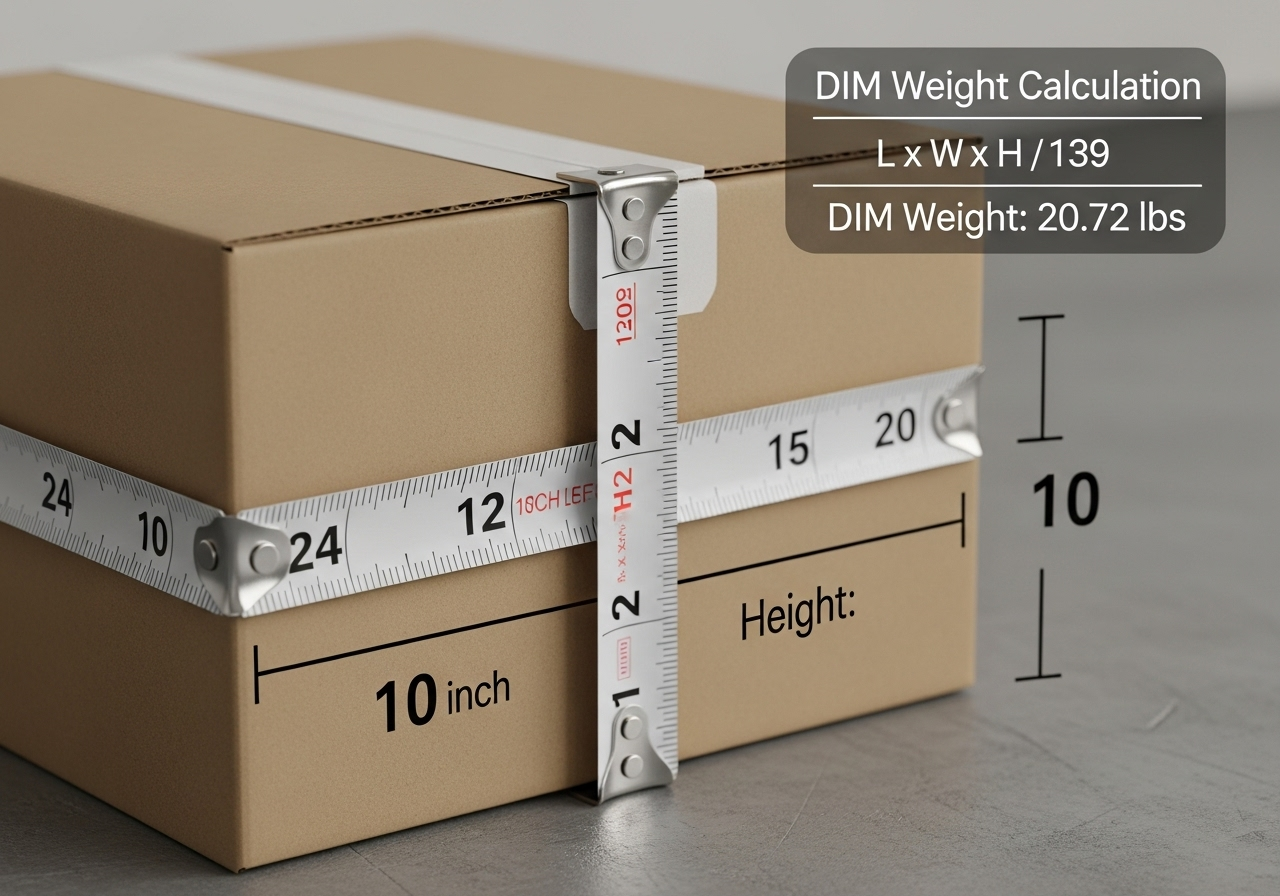
Shipping costs are often based on either the actual weight or the volumetric weight (also known as dimensional weight or DIM weight), whichever is greater. Dimensional weight is a calculation that factors in the size of the package.

  • DIM Weight Formula: (Length×Width×Height)/DIM Factor

The Cost-Saving Action:

  1. Reduce Air Space: The “air” you ship is money wasted. Work with your suppliers to use the smallest possible packaging that still ensures product safety. This often means switching to right-sized boxes, using lightweight dunnage (infill material), or designing custom packaging.
  2. Use Lightweight Materials: For certain non-fragile goods, explore lighter, yet durable, packaging materials like poly bags instead of heavy cardboard boxes.
  3. Strategic Palletizing: Optimize how boxes are placed on a pallet (or inside a container) to maximize space utilization. A freight forwarder can assist with advanced load planning to ensure every centimeter of container space is effectively used. Maximizing container utilization can save you thousands of dollars per shipment.

Strategy 3: Negotiate Shipping Contracts Based on Volume and Loyalty

Negotiate Shipping Contracts Based on Volume and Loyalty

You do not have to accept the first rate quoted by a carrier or even a freight forwarder. Negotiation is a powerful tool, even for small to medium-sized importers.

The Cost-Saving Action:

  1. Consolidate Your Spend: Instead of using five different carriers or forwarders, try to stick with two or three. By consolidating your overall volume (e.g., promising a certain number of containers per month or quarter), you gain leverage to negotiate better base rates. Carriers reward loyalty and predictable volume.
  2. Negotiate Surcharges: Base rates are just the starting point. The real savings often lie in negotiating accessorial fees and surcharges, such as:
    • Fuel Surcharges: Try to negotiate a cap on fuel surcharges to protect yourself from volatile oil prices.
    • Peak Season Surcharges (PSS): These fees can significantly inflate costs during busy periods (like the pre-holiday rush). A strong contract can reduce or eliminate these.
  3. Compare and Benchmark: Get quotes from at least three different freight forwarders for every shipment. Use their rates to benchmark and negotiate the best possible deal. A transparent market overview is your strongest negotiating tool.
Fatburn

Strategy 4: Choose the Right Incoterms® for Control and Cost

Choose the Right Incoterms® for Control and Cost

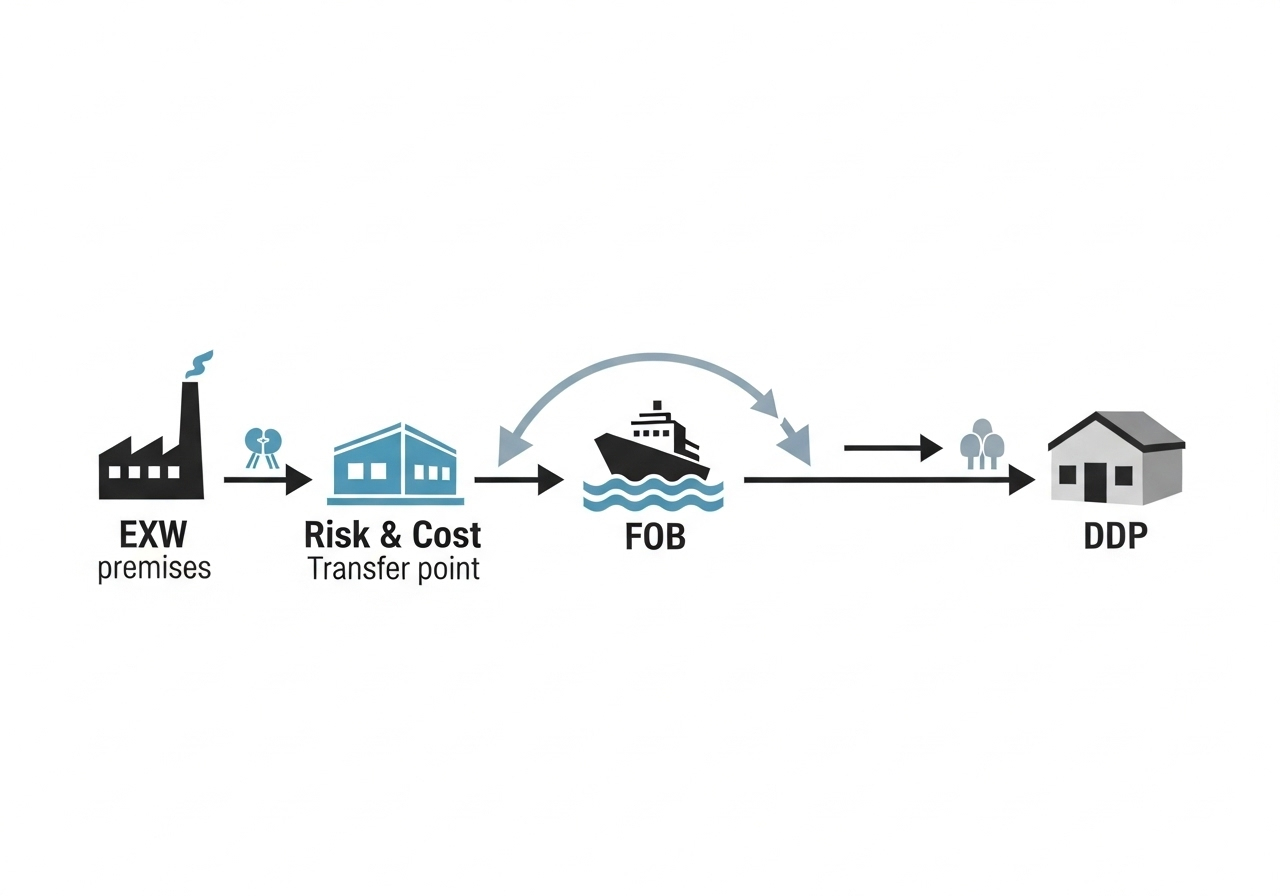
Incoterms (International Commercial Terms) define exactly where the cost and risk transfer from the seller (exporter) to the buyer (importer). Choosing the wrong term can lead to hidden costs and loss of control.

The Cost-Saving Action:

  1. Move Beyond CIF (Cost, Insurance, and Freight): While CIF is convenient (the supplier handles everything up to the destination port), they often use carriers they prefer, and the shipping costs may be “padded.”
  2. Opt for FOB (Free On Board):FOB is often the most cost-effective choice for experienced importers. With FOB, the supplier is responsible for getting the goods to the designated port and loaded onto the vessel. From that point, you (the importer) take control of the main freight journey. This allows you to:
    • Select your own freight forwarder, ensuring you get the best negotiated rates (as per Strategy 3).
    • Control the shipping schedule, allowing you to ship during off-peak times (as per Strategy 5).
  3. Be Aware of DDP (Delivered Duty Paid): While DDP is convenient (the supplier handles everything, including your import duties), they often add a large margin to cover their risk, making it an expensive option. Only use DDP if you have no other choice.

Strategy 5: Embrace Planning and Technology for Predictive Savings

Embrace Planning and Technology for Predictive Savings

The most expensive shipping is usually urgent shipping. Planning ahead gives you the luxury of choosing the cheapest, albeit slowest, option.

The Cost-Saving Action:

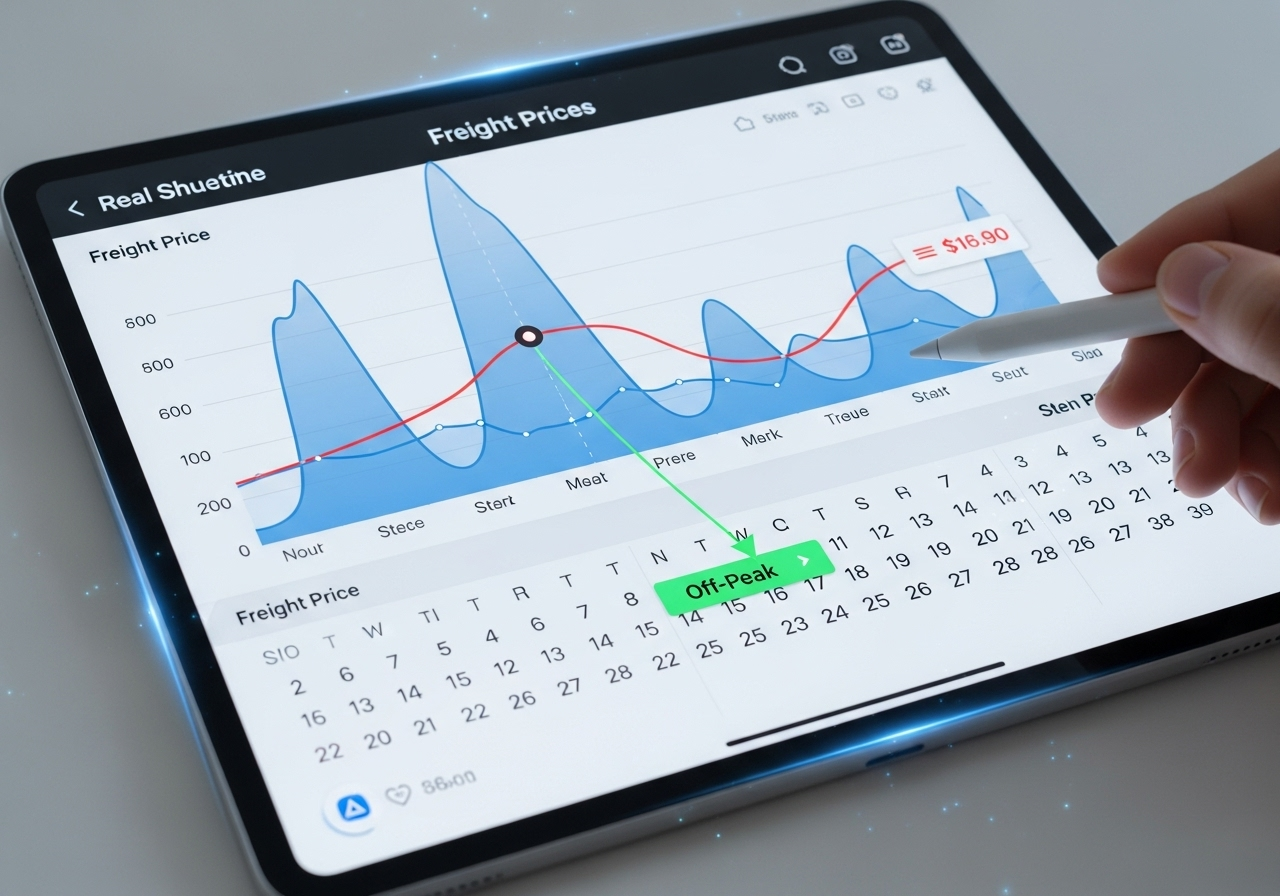
  1. Ship During Off-Peak Times: Sea freight costs are heavily influenced by demand. Shipments around major global holidays (e.g., Chinese New Year, Christmas) and during peak retail seasons are always more expensive. Plan your inventory to ship well in advance of these windows.
  2. Conduct Freight Audits: Shipping invoices are complex and prone to errors. Implement a system (either manual or via a Third-Party Logistics/3PL provider) to audit every single freight bill. Check for discrepancies in weight, incorrect tariffs, or duplicated accessorial fees. A good audit can save 5-10% in overcharges annually.
  3. Leverage Digital Platforms: Use digital freight booking platforms (like those used by your freight forwarder or 3PL) to compare real-time rates across multiple carriers. This takes the guesswork out of rate shopping and ensures you always choose the most cost-effective route and service.

Conclusion: Shipping as a Strategic Lever

Reducing international shipping costs is not about cutting corners; it’s about optimizing your supply chain through knowledge and negotiation. By mastering your cargo volume (FCL vs. LCL), optimizing packaging, negotiating aggressively, choosing the right Incoterms, and planning strategically, you can gain greater control over your landed costs.

Lower shipping costs directly translate into higher profit margins and better pricing for your customers. Start implementing these five strategies today to turn your logistics from a financial burden into a sustainable competitive advantage.

Ready to find an exporter who can work with your cost-saving Incoterms? Submit your Request for Quote (RFQ) on TheExporterHub.com now to connect with verified global suppliers.