
Indian Indigenous Products Exporter

7 Reasons to Choose Our Indian Indigenous Products Exporter

7 Reasons to Choose Our Indian Indigenous Products Exporter

In the world of international trade, finding a partner that balances “traditional quality” with “modern compliance” is the key to a successful supply chain. Nushen Global Trade Pvt. Ltd., a verified member of The Exporter Hub, is setting new standards as a premier Indian Indigenous Products Exporter.

Based in Berhampur, Odisha, and led by founder Dr. P Singa Ram, Nushen Global Trade is not just moving goods; they are building bridges between India’s rich agricultural heritage and global demand.

Here are 7 compelling reasons why international importers choose Nushen Global Trade for their sourcing needs.

1. Verified Credibility by The Exporter Hub

Trust is the currency of global trade. Nushen Global Trade has undergone a rigorous verification process by The Exporter Hub. We have verified their IEC, GSTIN, and Company Registration, ensuring they are a legitimate, active, and reliable partner. This verification gives importers the “Zero-Risk” confidence they need to start a partnership.

2. Farmer-First & Sustainable Philosophy

Unlike typical merchant traders, Nushen Global operates with a Farmer-First approach. By working directly with local growers, they ensure sustainable agricultural practices. This not only supports the rural economy of Odisha and India but also guarantees that the products are grown naturally and ethically.

3. Science-Backed Innovation

Under the leadership of Dr. P Singa Ram, the company utilizes Science-Backed Seed Innovation. This ensures that the crops—whether it’s Basmati rice or oil-rich ginger—are of the highest genetic quality, leading to better flavor, longer shelf life, and higher nutritional value.

4. Premium & Diverse Product Portfolio

As a specialized Bulk Indian Agro Staples Supplier, Nushen Global offers a one-stop solution for high-demand products:

  • Premium Basmati Rice: Long-grained and aromatic varieties.
  • Indian Cashews: Traditional, crunchy, and rich in natural oils.
  • Authentic Spices & Masalas: Processed to retain essential oils and vibrant colors.
  • Fresh Produce: High-quality Alphonso Mangoes, Coconuts, and Ginger.

5. Multi-Stage Quality Inspection

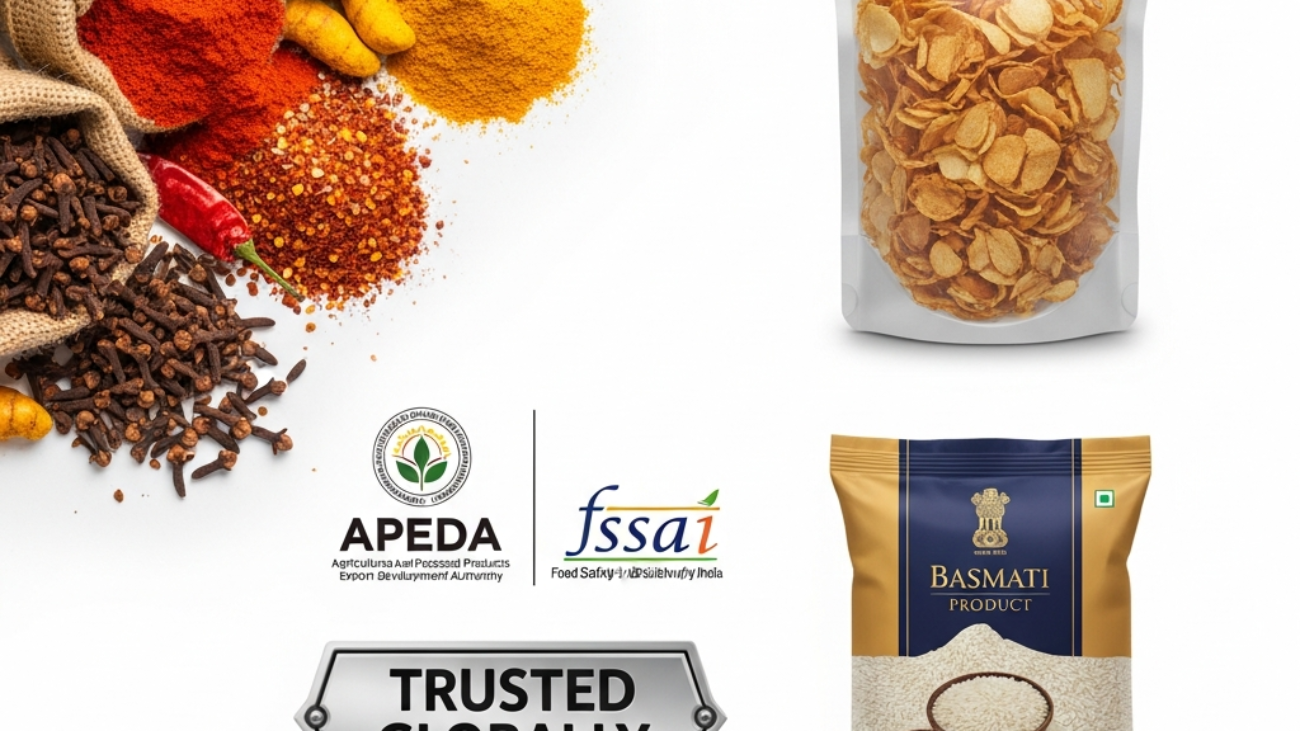
Quality at Nushen Global is not an accident; it is a process. Every shipment undergoes multi-stage inspections and supplier audits. This ensures that the final product meets international safety standards, including ISO 9001:2015, APEDA, and GMP requirements.

6. Flexible Global Export Capabilities

Understanding the diverse needs of global buyers, Nushen Global offers flexible INCOTERMS (FOB, CFR, CIF) and adaptable payment terms, including Letter of Credit (LC) and Advance payments. Their robust logistics network ensures on-time delivery to major trade lanes in the USA, UAE, UK, and Israel.

7. Transparent and Long-Term Partnerships

Nushen Global Trade believes in “Partnerships that stand the test of time.” Their commitment to transparent documentation, clear communication, and consistent product quality makes them more than just a supplier—they are a strategic Global Agro Sourcing Partner.

Conclusion

For importers looking to source the heart of India with complete peace of mind, Nushen Global Trade Pvt. Ltd. is the ultimate choice. Verified by The Exporter Hub, they offer the perfect blend of indigenous excellence and global reliability.

Source : Nushen Global Trade Pvt. Ltd.
Premium Indian Agricultural Exporter

5 Best Premium Indian Agricultural Exporter Solutions

5 Best Premium Indian Agricultural Exporter Solutions

In the competitive landscape of international trade, quality and reliability are the twin pillars of success. Sakha Global Exim, a premier merchant trading company based in Buldhana, Maharashtra, has emerged as a powerhouse in this sector. By “Connecting India’s Finest to the World,” they have bridged the gap between traditional Indian farming and the sophisticated demands of the global market.

If you are looking for a Premium Indian Agricultural Exporter, here are the five core solutions that make Sakha Global Exim a global leader.

I. Certified Quality Assurance (APEDA Certified Merchant Trader)

Trust in food exports starts with certification. Sakha Global Exim is a proud APEDA Certified Merchant Trader, ensuring that every shipment complies with the highest safety and hygiene standards. Their portfolio is backed by FSSAI, FDA, ECGC, and HALAL certifications, making them a preferred partner for quality-conscious importers in 50+ countries.

II. Specialist in Dehydrated Vegetables (Bulk Dehydrated Onion Supplier)

One of their standout strengths is their dehydration facility. As a leading Bulk Dehydrated Onion Supplier, they provide high-quality onion and garlic in flakes, powder, and granules. This process preserves the natural pungency and flavor of the produce while significantly extending shelf life and reducing shipping costs for international buyers.

III. Authentic Spices and Oilseeds (Wholesale Indian Spices Exporter)

India is the spice bowl of the world, and Sakha Global Exim leverages this heritage perfectly. As a Wholesale Indian Spices Exporter, they source premium Turmeric, Cumin, and Chilies directly from the heartlands. Their rigorous quality checks ensure that the essential oils and aromatic profiles remain intact from the farm to the final destination.

vip

IV. Global Agro Sourcing Partner with 50+ Country Reach

A true Global Agro Sourcing Partner needs more than just products; they need a logistics network. Sakha Global Exim serves a diverse clientele across the Middle East, Europe, Southeast Asia, and North America. Their expertise in international documentation and shipping ensures that B2B clients receive their consignments on time, every time.

V. Sustainable and Farmer-Centric Sourcing

Beyond business, Sakha Global Exim focuses on the “Heartland” of India. By sourcing directly from farms in Maharashtra, they ensure fair trade practices and support the local agricultural ecosystem. This direct link allows for better traceability—a factor that is becoming increasingly important for modern global importers.

Conclusion

Sakha Global Exim isn’t just an exporter; they are a bridge of trust. Whether you need bulk grains, fresh produce, or specialized dehydrated ingredients, their commitment to excellence makes them the ultimate choice for your global sourcing needs.

Source : Sakha Global Exim

us

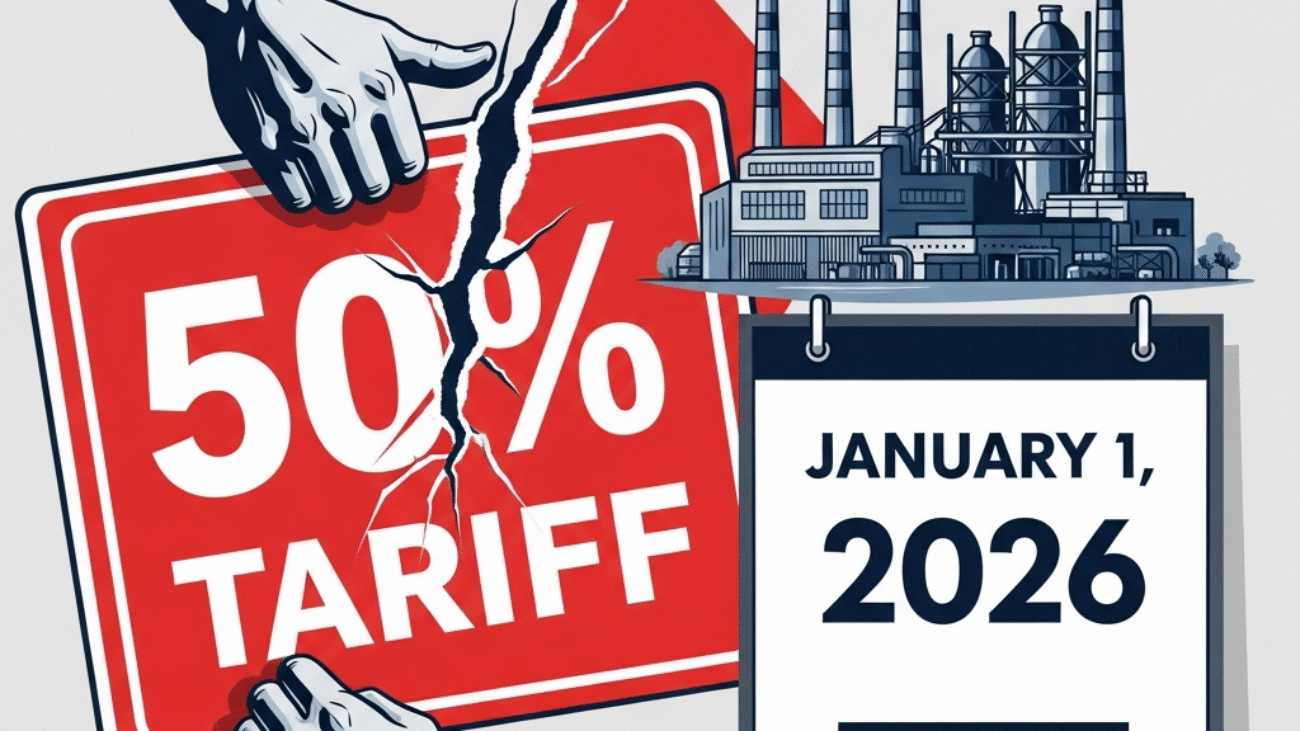
🚨 US Lawmakers Move to End 50% Tariff on India; CBAM Deadline Looms (Dec 7 – Dec 13, 2025)

ACTION! US Moves to End 50% Tariff: 4 Policy Trade Shocks

The week of December 7-13, 2025, marked a crucial turning point in global Trade Policy and Agreements, driven by legislative action in the US and the fast-approaching compliance deadline for a major European climate regulation. The spotlight was firmly on India’s strategic trade relationship management with its two largest partners: the US and the European Union (EU).

For exporters on The Exporter Hub, the potential removal of the punitive US tariff and the imminent impact of the EU’s Carbon Border Adjustment Mechanism (CBAM) represent both the biggest risk and the greatest opportunity for 2026.


1. 🇺🇸 US Lawmakers Introduce Resolution to Terminate 50% Tariffs on India

In the most significant development of the week, a bipartisan group of US lawmakers introduced a resolution in the House of Representatives aimed at immediately ending the 50% tariffs imposed by the current US administration on a wide range of Indian imports.

  • Resolution to End Tariffs: On Friday, December 12, 2025, Representatives Deborah Ross (D-NC), Marc Veasey (D-TX), and Raja Krishnamoorthi (D-IL) introduced a resolution to terminate the “national emergency” invoked to justify the steep tariffs. They argued that the “irresponsible tariff strategy” toward India is counterproductive and weakens a critical strategic partnership.
  • The 50% Breakdown: The resolution specifically targets the two parts of the duty:
    1. The initial 25% reciprocal tariff.
    2. The additional 25% “secondary” duty that took effect in August 2025, linked to India’s energy and defense purchases from Russia.
  • Economic Impact Cited: Lawmakers highlighted that the tariffs, which affect nearly two-thirds of India’s $86.5 billion annual goods exports to the US, disrupt US supply chains, harm American workers, and drive up costs for consumers. Labour-intensive Indian sectors like textiles, apparel, gems, and seafood are considered the most vulnerable.
  • Significance for India: This legislative move, while not guaranteeing repeal, signals powerful and rising Congressional pressure on the administration to reset trade policy and could provide a massive boost to Indian exporters currently facing the steepest trade shock in recent years.

2. 🇪🇺 CBAM Countdown: India Seeks Policy Clarity as Full Implementation Nears

With the EU’s Carbon Border Adjustment Mechanism (CBAM) moving from its transitional reporting phase to full financial implementation on January 1, 2026, Indian industry heightened its demand for clarity and government support.

  • CBAM Implementation: Starting next month, importers in the EU must purchase CBAM certificates equivalent to the embedded CO emissions of imported goods (e.g., steel, aluminum, cement). For India, a major exporter of these energy-intensive products, the tax could be substantial.
  • Export Diversification: Industry analysis confirmed that the introduction of CBAM will force Indian steel mills, which rely heavily on high-emission blast furnaces, to reorient their supplies away from the EU towards alternative markets in the Middle East and Africa, potentially leading to lower margins.
  • India’s Counter-Strategy: India continued to signal its long-term response:
    • WTO Challenge: Renewing its intent to challenge the mechanism at the WTO on grounds of non-discrimination.
    • Domestic Carbon Pricing: Actively considering implementing a domestic carbon tax/pricing mechanism that would allow the Indian government, rather than the EU, to collect the carbon revenue, ensuring that Indian products remain compliant while the revenue supports domestic green transition efforts.

vip trading

3. 🇦🇪 India-UAE CEPA Review: Tightening Gold Import Norms

Trade relations under the India-UAE Comprehensive Economic Partnership Agreement (CEPA), which crossed $100 billion in text{2024–25}, continued to be managed, with a specific focus on trade facilitation and regulatory tightening.

  • Gold TRQ Amendment: The Directorate General of Foreign Trade (DGFT) issued a Public Notice amending the procedure for allocating the Tariff Rate Quota (TRQ) for gold imports under the CEPA. The key change mandates that eligible applicants for the TRQ must be registered with the Bureau of Indian Standards BIS for hallmarking and possess GST registration.
  • Transparency and Compliance: This move aims to enhance transparency and efficiency in TRQ allocation, shifting to a competitive online bidding process. It reinforces India’s commitment to ensuring high-quality standards and curbing misuse within the FTA framework, an important step for the gems and jewellery sector.

4. 🌍 WTO: India Opposes China-led Investment Facilitation Proposal

At the World Trade Organization (WTO), India took a strong stance against a plurilateral agreement led by China on Investment Facilitation for Development (IFD).

  • Sovereignty and Mandate: India formally raised legal and systemic objections, arguing that the WTO’s mandate does not cover non-trade issues like investment facilitation and that plurilateral agreements should not become the norm without the consensus of the entire membership.
  • Protecting the System: This move reaffirms India’s traditional commitment to the multilateral, consensus-based system of the WTO and prevents the diversion of negotiation capital to areas that are not priorities for all developing and least-developed countries.

Source : www.thehindu.com

Copper Price

🔥 Copper Price Volatility Reaches Extreme Levels as Supply Deficit Widens (Dec 7 – Dec 13, 2025)

The global Raw Material and Commodity Market during the week of December 7-13, 2025, was defined by sharp price moves and conflicting long-term forecasts for key industrial metals. Copper continued its historic rally amid a worsening supply crisis, while energy and aluminum markets focused on stable output and strategic pricing.

The extreme price volatility, especially in metals, represents a major input cost risk for Indian manufacturers and exporters utilizing platforms like The Exporter Hub.


1. ⚠️ Copper Price Hits Record High on Widening Supply Deficit

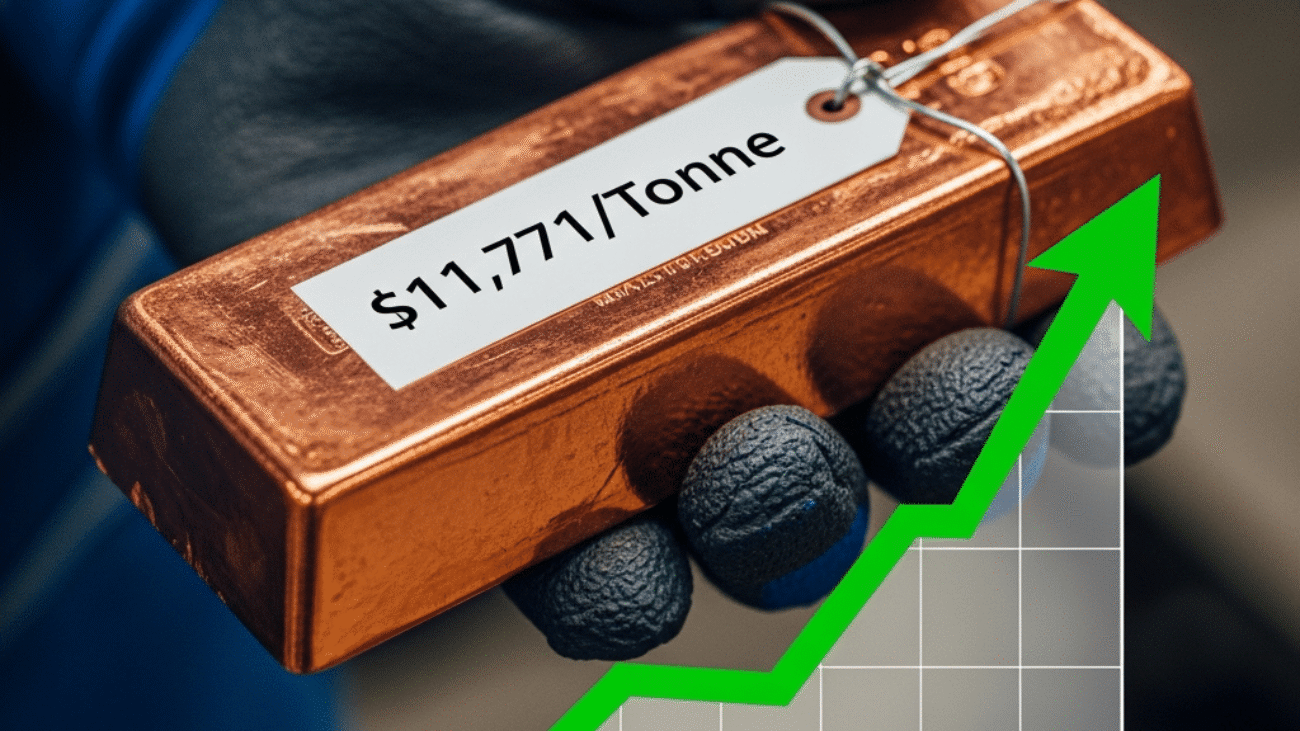
Copper, the bellwether for global manufacturing and the energy transition, reached an all-time record high of $11,771 per metric tonne (/mt) on the London Metal Exchange (LME) this week.

  • Supply Crisis Deepens: The fundamental driver is the acute global refined copper deficit, which is worsening faster than expected. Analysts estimate a deficit of around 330 thousand metric tons (kmt) in 2026, leading to extremely tight market conditions.
  • Mine Disruptions Persist: The market is still reeling from major production halts, notably the massive Grasberg Block Cave mine in Indonesia, which is not expected to return to full production until well into 2026. Production issues and lower ore grades in major Latin American suppliers like Chile and Peru are further constraining mine supply growth, which is forecast to be only 1.4% in 2026.
  • Conflicting Forecasts: This unprecedented rally has led to a split among major research houses:
    • J.P. Morgan is bullish, projecting copper prices to average around $12,075 mt in 2026, driven by demand from electrification, grid upgrades, and AI-related data centers.
    • Goldman Sachs is more cautious, forecasting prices to decline somewhat from current record highs, stabilizing in the 10,000 to 11,000 mt range in the first half of 2026, arguing the market may not enter a shortage immediately.
  • The Exporter Impact: For Indian electrical and construction material exporters, this high volatility translates directly into higher costs, demanding rigorous hedging strategies and flexible pricing models to maintain margins.

2. 🛢️ OPEC+ Maintains Course: Focus Shifts to Future Capacity

The energy market remained relatively stable this week after the OPEC+ (Organization of the Petroleum Exporting Countries and its allies) ministerial meeting concluded with no changes to their immediate production strategy.

  • Output Stability: The alliance reaffirmed its previously announced decision to pause the additional voluntary production increments for the first quarter of 2026 (January, February, and March) due to expectations of weaker seasonal demand. This decision was a pre-emptive measure against a potential global oversupply as non-OPEC+ output (like US shale) continues to grow.
  • New Mechanism for 2027: The most significant outcome was the approval of a new mechanism to reassess each member’s maximum sustainable production capacity (MSC). This MSC assessment will be carried out between January and September 2026 and will be used as the baseline for 2027 production quotas. This shift indicates a long-term strategic focus by core members like Saudi Arabia and the UAE on securing higher future quotas and regaining market share.
  • Price Context: Brent Crude prices hovered in the $63 to $65 per barrel range, reflecting a balanced market where geopolitical risk and OPEC+’s managed cuts are largely offset by rising non-OPEC+ supply.

vip

3. 🏗️ Aluminum Prices Jump as China Exports Fall

The aluminum market, which had been relatively subdued, saw a sharp price rally, driven by internal policy and demand shifts in China.

  • Price Spike: Benchmark LME aluminum price reached $2,920 a tonne on December 5, its highest level since May 2022.
  • Chinese Export Decline: The rally was triggered by new data showing that China’s exports of refined aluminum and related products dropped by 9.2% in the January to November period. Strong domestic demand from the Chinese manufacturing and energy sectors is absorbing most of the metal, tightening global availability.
  • Output Cap Holds: With China’s domestic production expected to remain near its informal $ 45 million tonne annual cap, the decline in exports points to sustained global supply constraints, favoring producers outside of China and providing a necessary boost to global prices.

4. ⚙️ Indian Steel Sector Faces Import Pressure Despite Domestic Demand

The Indian steel market continued its trend of being pulled by two opposing forces: robust domestic consumption and rising import competition.

  • Domestic Resilience: Indian steel demand is projected to grow by 8% to 9% in 2025, fueled by large-scale government infrastructure projects and strong housing development.
  • Import Challenge: However, the domestic market is grappling with the persistent challenge of increasing imports, particularly from China, which continues to exert downward pressure on international steel prices due to global overcapacity.
  • Raw Material Costs Stabilize: While Indian steel prices showed slight short-term fluctuations, the overall price trend is expected to be stable to slightly rising for December 2025. This relative stability comes even as raw material costs for coking coal and iron ore remain susceptible to volatility, constantly squeezing the profit margins of Indian mills.

Source : www.jpmorgan.co

India Logistics Cost 9%

🇮🇳 India’s Logistics Backbone Strengthens: 9% Cost Target and Port Reforms Anchor Competitiveness (Dec 7 – Dec 13, 2025)

The week of December 7 to December 13, 2025, in the Logistics and Shipping sector was dominated by strategic policy advancements in India aimed at radically reducing costs and boosting efficiency. Globally, the market wrestled with geopolitical risk and volatile freight rates.

For The Exporter Hub members, these domestic reforms are crucial: reducing the high cost of logistics (currently impacting MSMEs severely) is the most direct way to boost the competitiveness of Indian goods in global markets.


1. 🇮🇳 India Targets Sub-10% Logistics Cost by Year-End $\text{2025}$

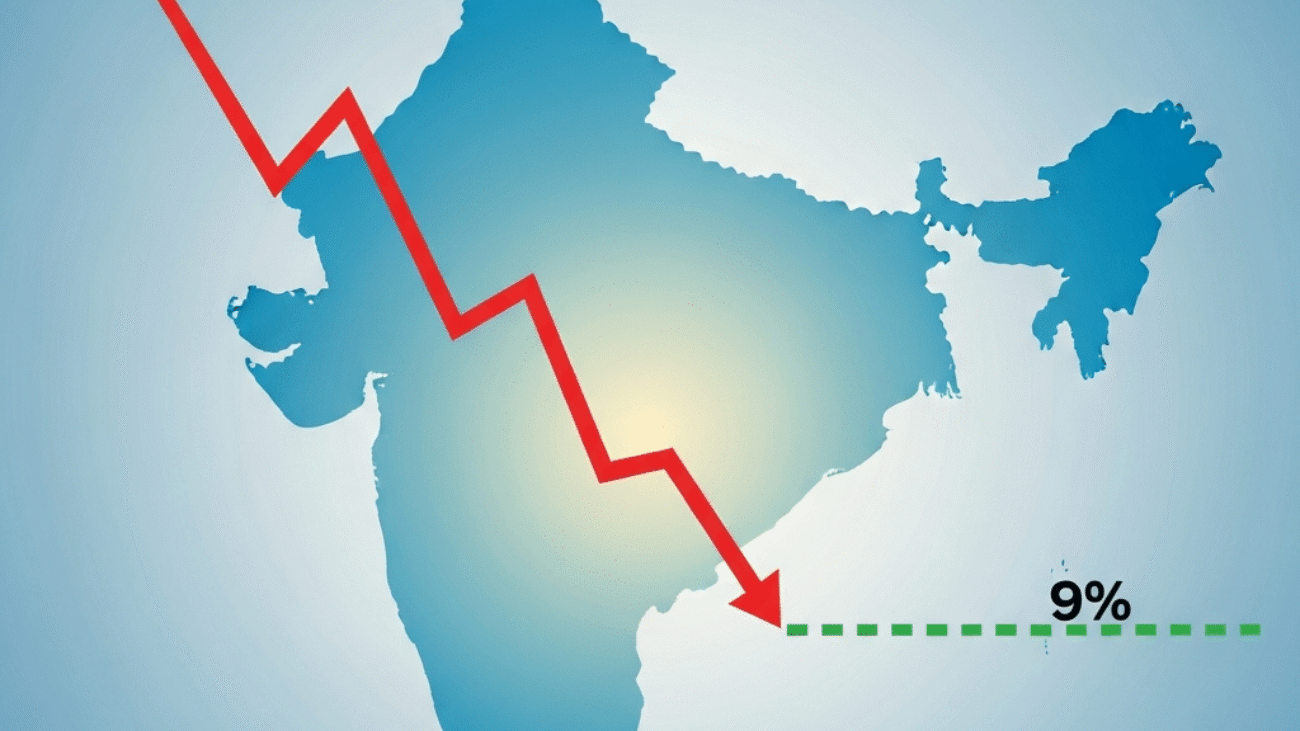
A major focus this week was on the final push by the Indian government to achieve its long-standing target of bringing national logistics costs down to 9% of GDP by the end of December 2025.

  • Crucial Target: Union Minister Nitin Gadkari emphasized that the government is closing in on this goal. Achieving this sub-10% cost is a cornerstone of the National Logistics Policy and is essential for aligning India with global benchmarks (8% to 10% in developed nations).
  • Impact on MSMEs: Studies indicate that the logistics cost for the MSME sector (which forms the core of The Exporter Hub‘s clientele) stands at a massive 16.9% of GDP. Halving this cost via infrastructure upgrades and digital integration is expected to drastically improve profitability and export margins.
  • The Mechanism: This reduction is being driven by the convergence of major infrastructure projects: the PM Gati Shakti program, the development of Multi-Modal Logistics Parks (MMLPs), and the increasing use of Dedicated Freight Corridors (DFCs) by the Indian Railways, all of which are designed to enhance multimodal connectivity.

2. 🏛️ Indian Ports Act 2025 Comes into Focus: Modernizing the Maritime Sector

With the logistics push gathering speed, stakeholders continued to analyze the significant impact of the Indian Ports Act, 2025—a landmark legislation replacing the century-old 1908 Act.

  • Statutory Reforms: The new Act provides a modern, unified legal structure for port development, strengthening the statutory roles of State Maritime Boards and the Maritime State Development Council (MSDC). This institutionalizes coordination between the Centre and coastal states, crucial for integrated port development (which includes ports in Gujarat).
  • Boosting Efficiency and EODB: Key provisions include:
    • Digitalisation: Promoting the Maritime Single Window system for paperless, streamlined clearance.
    • Tariff Transparency: Introducing a new tariff regulation mechanism with mandatory electronic publication for all ports, enhancing transparency and predictability for exporters.
    • Sustainability: Mandating Global Green Norms and environmental safeguards, bringing Indian ports in line with international maritime practices.
  • Strategic Importance: As ports handle nearly 95 % of India’s EXIM cargo by volume, this legislation is positioned to transform them from simple transit hubs into catalysts for economic growth and global competitiveness.

vip

3. 🚢 Ocean Freight: Capacity Glut and Red Sea Uncertainty Drive Volatility

Globally, the ocean freight market remained highly volatile, driven by capacity changes and persistent geopolitical risk in the Middle East.

  • Suez Canal/Red Sea Status: Major carriers like Maersk announced they were moving closer to resuming transits through the Suez Canal under new strategic security agreements. However, other carriers like Hapag-Lloyd remained cautious. A full resumption would shorten Asia-Europe transit times by 10 to 14 days, but a sudden influx of ships could lead to port congestion and short-term rate instability.
  • Rate Fluctuation: The Drewry World Container Index (WCI) rose slightly (2 % to $1,957 per 40ft container) driven by a tactical surge on the Asia-Europe lane. Conversely, Transpacific rates (Asia-US) declined again, due to weak post-peak season demand and aggressive blank sailings by carriers failing to stabilize prices.
  • Overcapacity Risk: The long-term structural issue of overcapacity persists, with the global container fleet order book remaining at an historical high (about $ 30 of the existing fleet). This ensures that carriers will face downward pressure on rates throughout 2026, barring major unforeseen geopolitical events.

4. ✈️ Air Cargo Surges on E-commerce and AI Demand

The air freight market showed resilience and strategic growth in key trade lanes, often driven by high-value, time-sensitive cargo.

  • Rate Recovery: Global airfreight rates, as measured by the Baltic Air Freight Index (BAI), continued to rise into early December, with particularly strong gains on the busiest lanes out of China to Europe and the US.
  • Structural Drivers: This growth is fueled by:
    • E-commerce: A structural shift to smaller, more frequent replenishments drives demand for air cargo.
    • AI and Tech: Growing demand for high-value, time-sensitive goods related to Artificial Intelligence (AI) and advanced electronics continues to be a major tailwind for air cargo volumes.

Source : vajiramandravi.com

Trade

📈 35 Trillion Milestone: Global Trade Hits Record Despite US Tariff Uncertainty (Dec 7 – Dec 13, 2025)

Trade Hits $35 Trillion: 4 Global Shocks

The week of December 7-13, 2025, in the Global Trade Update category presented a contradictory picture: one of record-breaking expansion, yet shadowed by persistent geopolitical risk. The key domestic event for India was the renewed push to resolve the crippling 50% US tariff, while globally, a new report confirmed that the overall value of world trade is set to reach an all-time high.

For exporters like The Exporter Hub members in Bharuch, these dynamics create both a strong, demand-driven global market and an urgent need to secure policy stability through trade negotiations.


1. 🇺🇸 India-US Tariff Talks Intensify to Resolve $\text{50\%}$ Duty

The most critical development for Indian exporters this week was the high-level visit of a US delegation, led by Deputy U.S. Trade Representative Rick Switzer, to New Delhi from December 10-12.

  • Crucial Discussions: The three-day talks were specifically aimed at finalizing the first phase of the Bilateral Trade Agreement (BTA)—a framework deal designed to quickly resolve the 50% punitive tariff currently imposed by the US on certain Indian goods. This tariff is composed of a 25%reciprocal tariff and an additional 25% penalty linked to India’s continued imports of Russian crude oil.
  • Urgency for Exporters: The resolution of this tariff is vital, as data confirms India’s merchandise exports to the US declined for the second consecutive month in October, falling by 8.58%, largely due to the steep duties. Commerce Secretary Rajesh Agrawal had recently expressed optimism about achieving a framework trade deal this year to address this issue.
  • The Goal: Both nations are working in parallel toward a comprehensive BTA aiming to more than double bilateral trade to $500 billion by 2030. The successful conclusion of this first tranche is seen as a necessary precursor to rebuilding confidence and accelerating the larger agreement.

2. 🌐 UNCTAD Reports Global Trade to Surpass $35 Trillion Record

Despite geopolitical headwinds and trade tensions, global commerce is set to hit an unprecedented milestone this year.

  • Record Value: The UN Trade and Development (UNCTAD) released its Global Trade Update (December 2025), projecting that global trade in goods and services will exceed $\text{\$35}$ trillion for the first time in 2025—an increase of approximately 7% compared to 2024.
  • Drivers of Growth:
    • East Asia, Africa, and South–South Trade were identified as the strongest drivers of global gains, highlighting the growing resilience and diversification of trade among developing economies.
    • Manufacturing, particularly the electronics sector (with 14% growth), was the main engine, largely supported by strong demand related to Artificial Intelligence (AI) and technology products.
  • Slowing Momentum: UNCTAD confirmed that while the value is record-breaking, the pace of growth slowed in the third and fourth quarters. Goods trade growth is expected to slow to 0.5% in Q4, while services growth is forecast at 2%. This deceleration is mainly due to heightened geopolitical tensions, higher costs, and uneven global demand, supporting the WTO’s earlier caution about the 2026 outlook.

Copy of Purple Pink Modern Minimalist New Arrival Smartphone Instagram Post 15.30.23

3. 🇬🇧 India-UK FTA Momentum & Sectoral Boost

Progress on the India-UK trade front continued to show positive momentum, reflecting the Comprehensive Economic and Trade Agreement (CETA) signed in July 2025.

  • UK Firms Expansion: A new report indicated that UK firms are significantly boosting their presence in India, with turnover hitting ₹5,693 billion (approx. $63 billion), capitalizing on the growth unlocked by the FTA.
  • Key Sectors: The agreement provides immediate duty-free access for Indian labor-intensive sectors like textiles, leather, and gems. This strong performance reinforces the value of secured trade agreements in driving specific sectoral export growth.

4. 🌾 Trade Tensions Roil Agricultural Markets

While manufacturing trade grew, the agricultural sector felt the full brunt of intensified trade disputes and escalating tariffs.

  • Volatility and Uncertainty: The resurgence of protectionist policies between the US, China, the EU, Canada, and Mexico has led to significant volatility in agricultural commodity prices (e.g., soybeans and corn).
  • Supply Chain Realignment: Importing nations are actively seeking alternative suppliers, forcing exporting countries to scramble to find new destinations for their produce. This market realignment affects logistics, processing, and consumer prices, creating a complex trading environment for food commodity exporters.

Source : www.thehindu.com

India EAEU FTA

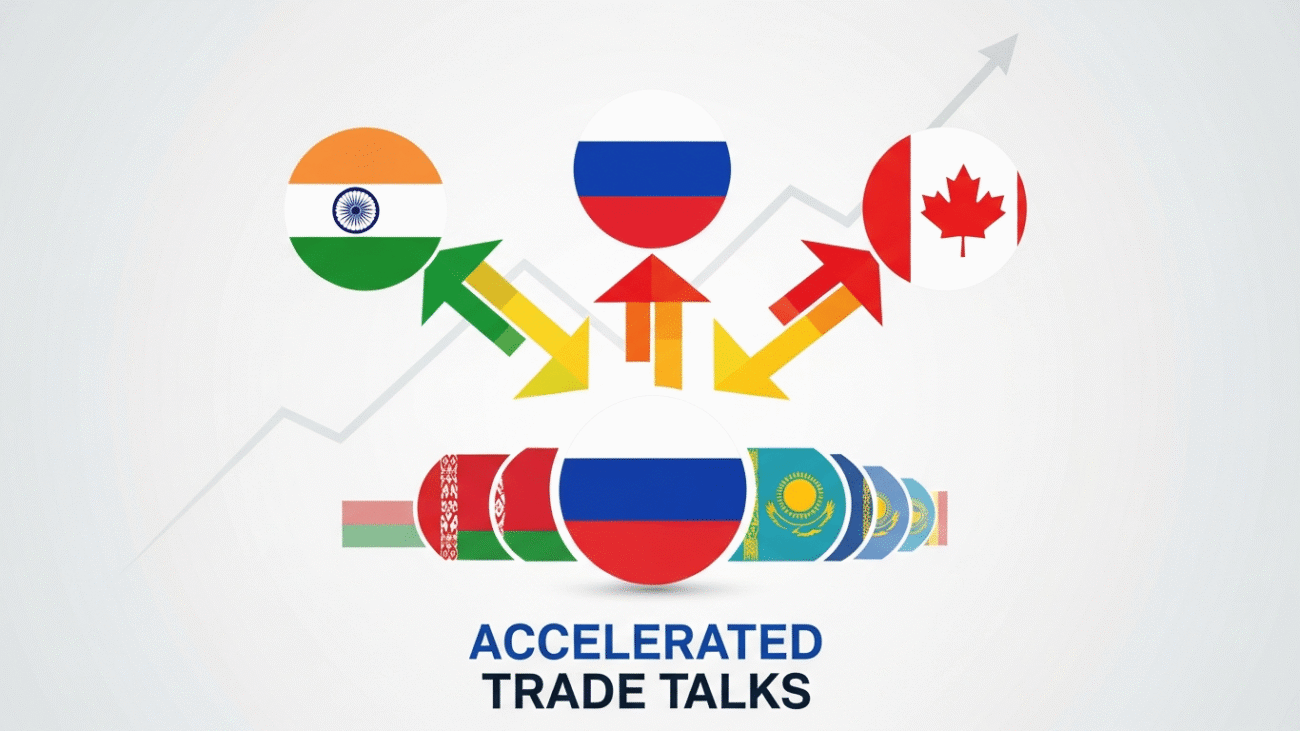
🤝 FTA Momentum: India Accelerates Talks with Russia-led EAEU and Canada (Nov 30 – Dec 6, 2025)

GLOBAL! India 2 FTAs Surge: EAEU & Canada Trade Policy Shocks

The first week of December 2025 was dominated by India’s assertive diplomatic drive to diversify its global trade footprint, a strategic necessity given the lingering uncertainty surrounding the US-India tariff dispute. High-level summitry with Russia and a significant thaw in relations with Canada led to formal mandates to fast-track major Free Trade Agreements (FTAs).

For The Exporter Hub and its members, these developments signal concrete pathways to new, large markets, offering stability and growth potential outside traditional Western trade channels.


1. 🇷🇺 India-Russia Summit: Fast-Track Mandate for EAEU FTA

The most defining event was the 23rd India-Russia Annual Summit in New Delhi (December 4-5, 2025), where the leadership of both nations provided a powerful mandate to finalize the Free Trade Agreement (FTA) with the Russia-led Eurasian Economic Union (EAEU).

  • Fast-Tracking Negotiations: Prime Minister Narendra Modi and President Vladimir Putin directed officials to “intensify efforts in negotiations” for the early conclusion of the FTA on goods between India and the five-member EAEU (Russia, Armenia, Belarus, Kazakhstan, and Kyrgyzstan).
  • Trade Deficit Solution: A core objective of the FTA is to boost India’s exports to Russia, addressing the current significant trade imbalance. Key Indian sectors being prioritized in the negotiations include pharmaceuticals, chemicals, engineering goods, machinery, and agricultural/marine products.
  • Operational Focus: Beyond tariffs, the summit focused on resolving practical trade hurdles, including:
    • Developing systems for bilateral settlements using national currencies to ensure smooth payments.
    • Addressing non-tariff barriers, such as listing procedures for marine exports and registration requirements for pharmaceuticals in EAEU markets.
  • Target: The leaders reaffirmed the ambitious goal of reaching $\text{\$100}$ billion in bilateral trade by 2030.

2. 🇨🇦 India Resumes CEPA Talks with Canada after Diplomatic Thaw

In a significant sign of mended relations, India and Canada announced the resumption of talks for a Comprehensive Economic Partnership Agreement (CEPA), which had been on pause since 2023.

  • Restart of Discussions: Following high-level meetings, the countries agreed to formally restart discussions on an ambitious CEPA, signaling a mutual recognition that trade and talent flows are essential to both economies.
  • Strategic Trade Focus: The resumption is motivated by a desire to boost two-way trade significantly and secure key strategic resources. India is keen on accessing critical minerals (like Uranium) and processing technologies from Canada, while Canada seeks broader market access in India.
  • Timeline and Scope: Officials are reportedly aiming for an early-progress agreement covering services, digital trade, and the temporary entry of highly skilled workers by mid-2026, ahead of a fuller goods accord. This will be a major relief for the large Indian diaspora and the tech sector.

Copy of Copy of Copy of Black Modern Highlight Product Features Instagram Post 9

3. ⚠️ WTO Issues Warning on Global Trade Slowdown

Amid the bilateral trade push, the World Trade Organization (WTO) released data highlighting a deceleration in global goods trade, largely driven by the fading effects of tariff-related front-loading.

  • Trade Growth Moderation: The WTO’s goods barometer dropped to $\text{101.8}$, signaling a cooling-off in the transportation of goods worldwide. While still indicating expansion, the pace is slowing.
  • The Tariff Factor: This moderation is directly attributed to the end of the “front-loading” of imports—where US companies accelerated orders in early 2025 to avoid new tariffs. The WTO maintains its sharply reduced forecast of just 0.5% global trade growth for 2026, underscoring that the full, negative impact of trade barriers is yet to be fully realized.
  • Supply Chain Diversion: The report noted that while US imports from China dropped significantly, imports from countries like India, Vietnam, and Thailand increased by over $\text{20\%}$, confirming the ongoing supply chain diversification driven by tariffs.

4. 🇮🇳 India’s Policy Direction: Defensive and Diversified

The week’s developments underscore India’s shift from a purely defensive trade posture to an active, diversified, and strategic engagement approach, as outlined in its long-term Foreign Trade Policy (FTP).

  • Countering Risk: By aggressively pursuing FTAs with blocs like the EAEU and individual countries like Canada, India is attempting to de-risk its export strategy and build resilient supply chains that are less exposed to the geopolitical volatility affecting US and European markets.
  • Sectoral Focus: The focus on non-tariff barriers and specific sectors like pharmaceuticals and engineering goods in the EAEU talks demonstrates a pragmatic, export-centric policy implementation to quickly realize market opportunities for Indian MSMEs.

Source : www.mea.gov.in

Premium Indian Spices and Dehydrated Vegetables

5 Amazing Premium Indian Spices and Dehydrated Veg Exporter

Savira Global Foods: Rooted in Trust, Delivering Certified Excellence

Shaila Bamble

In the demanding global food market, quality assurance and authentic flavor are paramount. Savira Global Foods LLP stands out as a dedicated Premium Indian Spices and Dehydrated Vegetables exporter based in Pune, Maharashtra. Operating under the motto, “Rooted in Trust,” our mission is to deliver the concentrated essence and nutritional integrity of India’s finest agro-commodities to distributors and manufacturers worldwide.

We guarantee a seamless supply chain of certified ingredients, ensuring your product formulations achieve optimal flavor and compliance.


with bikini & get shiirtless on beach with confidence

Compliance is Our Foundation: APEDA Certified Food Exporter

For any international food business, certifications are the ultimate proof of commitment. Savira Global Foods operates with unwavering compliance, establishing itself as a trustworthy APEDA Certified Food Exporter.

We strictly adhere to all regulatory bodies, ensuring every batch meets global standards for safety, hygiene, and traceability:

  • FSSAI (Food Safety and Standards Authority of India) compliant processing.
  • APEDA (Agricultural and Processed Food Products Export Development Authority) certified for export quality assurance.
  • ISO 9001:2015 certification for quality management systems.

This stringent commitment ensures our clients mitigate risk and can rely on consistently safe and hygienic sourcing.


The Core Portfolio: Spices and Dehydrated Vegetables

Our comprehensive portfolio provides versatile, shelf-stable ingredients essential for culinary, nutraceutical, and industrial applications. We offer 5 Amazing benefits by focusing on these specialized categories:

Turmeric Powder spices Savira Global Exporter Spices 1

1. High-Potency Spices (Wholesale Turmeric Powder Supplier)

We specialize in spices known for their strong bioactive properties. As a reliable Wholesale Turmeric Powder Supplier, we guarantee high Curcumin content (typically 3-5%), vibrant color, and purity. Our range, including Cardamom, Ginger, and Chili Powder, ensures maximum aroma and flavor concentration.

2. Advanced Dehydrated Vegetables (Bulk Dehydrated Onion Powder)

We supply bulk processed vegetables that retain their nutrients and flavor profiles while offering a substantial reduction in storage weight and preparation time. We are a reliable source for Bulk Dehydrated Onion Powder, alongside Garlic Powder, and various forms of dehydrated Tomatoes and Potatoes, essential for soups, ready meals, and seasoning mixes.


Strategic Partnership: Custom Private Label Spices and Bulk Supply

We are structured to support the growth of our international partners through flexibility and high-volume capacity.

  • Custom Private Label Spices: We offer comprehensive Custom Private Label Spices services, allowing importers to package our certified products under their own brand, complete with customized dehydration methods and packaging formats.
  • Flexible Volume: We efficiently manage every order size, from smaller, specialized limited batches for emerging markets to consistent, large-volume consignments for extensive distribution networks.

Choose Savira Global Foods LLP for guaranteed quality, competitive value, and the assurance of a fully certified food export partner.

Source : Savira Global Foods LLP

Industrial Fasteners

3 Trusted Custom Industrial Fasteners Exporter India

3 Trusted Custom Industrial Fasteners Exporter India

Indiexim Global Solutions: Engineering Trust in Every Component

In global manufacturing and construction, the reliability of a single component determines the integrity of the entire structure. Finding a dependable Custom Industrial Fasteners Exporter capable of delivering precision, customization, and seamless logistics is non-negotiable. Indiexim Global Solutions, based in India, has established itself as that trusted partner, committed to simplifying procurement for bulk and specialized industrial requirements worldwide.

We ensure that every bolt, nut, and screw we export meets the stringent demands of international engineering standards.


The Core: Wholesale Nuts Bolts Supplier and Comprehensive Range

While we specialize in tailored solutions, our foundation rests on a robust inventory of standard components. We serve as a comprehensive Wholesale Nuts Bolts Supplier, providing essential components needed for heavy machinery, structural framing, and automotive applications.

Our core range includes:

  • Bolts: Structural, Hex, Carriage, and Anchor bolts in various tensile strengths and finishes.
  • Nuts: Hex, Flange, Lock, and Custom nuts designed for high-vibration environments.
  • Screws: Supplying premium Export Grade Industrial Screws (Machine, Deck, Self-Tapping) built for maximum durability.
  • Washers & Nails: Providing critical load distribution and joining components.

Every component is sourced exclusively from facilities that maintain top-tier quality control protocols.


with bikini & get shiirtless on beach with confidence

Custom Hardware Solutions India: Meeting Precision Demands

Our true value lies in providing specialized support. We excel in offering Custom Hardware Solutions India, catering to projects that require non-standard dimensions, materials, or finishes.

  1. Tailored Specifications: We work directly with client blueprints and specifications to source and supply fasteners made from specific materials (e.g., high-grade stainless steel, specialized alloys) and required coatings (e.g., galvanized, zinc plating).
  2. Quality Certification: Every bulk order is subjected to rigorous quality checks to confirm material composition, threading precision, and dimensional accuracy, guaranteeing compliance with global standards before shipment.
  3. Expert Consultation: We provide technical advice on the best products for specific environmental challenges (e.g., corrosive marine environments or high-temperature applications).

Achieving Seamless Fastener Procurement

Indiexim Global Solutions embodies the promise of Seamless Fastener Procurement. We handle the entire supply chain complexity so that project managers and engineers can focus on installation rather than inventory delays.

The 3 Trusted reasons clients choose us are:

  1. Expert Sourcing: Guaranteed use of the best raw materials and manufacturing practices.
  2. Precision Customization: Orders are specifically tailored to match unique industrial requirements.
  3. Guaranteed Delivery: Efficient international logistics and meticulous export documentation ensure components arrive on time and pass customs without hassle.

Partner with Indiexim Global Solutions to experience the precision, customization, and reliability that defines a trusted Custom Industrial Fasteners Exporter.

Source : Indiexim Global Solutions

Diversified Global Trade Solutions

7 Expert Diversified Global Trade Solutions Partner

7 Expert Diversified Global Trade Solutions Partner

AAAENSA GLOBAL LLP: Simplifying the Complexity of International Commerce

In today’s fast-paced global marketplace, finding a single, reliable B2B Global Sourcing Partner capable of handling multiple commodity lines and providing expert compliance is crucial. AAAENSA GLOBAL LLP, based in Pune, Maharashtra, is positioned as that comprehensive solution. We specialize in offering Diversified Global Trade Solutions, transforming complex international transactions into streamlined, transparent, and profitable operations for our worldwide clients.

We leverage a robust, multi-sector approach to empower businesses, ensuring quality sourcing and compliance across every shipment.


The AAAENSA Advantage: Why We Are Your Expert Partner

Our credibility as a trusted exporter and consultant is built on a foundation of regulatory excellence and specialized knowledge. We are a proud FIEO Certified Export Consultant, affirming our adherence to the highest standards of Indian foreign trade policy.

We believe that true partnership goes beyond mere transaction. Our expert team simplifies global sourcing by managing logistics, documentation, and regulatory hurdles, ensuring you receive timely deliveries without complication. This holistic approach, backed by our commitment to transparency, is why businesses rely on us to accelerate their global expansion.


with bikini & get shiirtless on beach with confidence

Multi-Commodity Export Solutions Under One Roof

AAAENSA GLOBAL LLP excels as a single-source Multi-Commodity Export Solutions provider. Our operational strategy is segmented to ensure specialized expertise in every vertical, fulfilling the promise of the 7 Expert solutions through our core offerings:

1. High-Value Agro & Food Products

We are a dedicated Industrial and Agro Product Exporter. This includes premium fresh and frozen produce, high-curcumin spices, pulses, grains, and dry fruits—sourced with specialized care through units like AAAENSA Fresh for the Gulf and European markets.

2. Specialized Marine & Seafood

Through our specialized partners, we provide certified frozen fish and essential marine derivatives like sterilized fish meal and fish oil, catering to both human consumption and industrial markets.

3. Industrial & Manufacturing Inputs

We supply critical raw materials, including industrial chemicals and various grades of Plastic Granules, essential for global manufacturing supply chains.

4. Infrastructure & Construction Supplies

Our portfolio includes the strategic sourcing and export of key Construction Materials, supporting large-scale infrastructure and development projects worldwide.

5. Medical & Surgical Equipment

Ensuring compliance and quality, we source and export vital Medical & Surgical Equipment, addressing public health and hospital procurement needs.

6. Hospitality & General Supplies

We offer streamlined sourcing for essential Hotel Supplies and general trade commodities, catering to bulk B2B demand.

7. Expert Trade Consulting

Crucially, we offer globalized consultancy services, ensuring our clients understand and navigate international trade regulations and strategies effectively.


Seamless Global Connectivity and Compliance

Our strength is magnified by our strategic global footprint, including associated entities in Dubai (AL KHUKH AL AHMAR) and Turkey (EURASIA FRESH). This network ensures seamless logistics, regional expertise, and accelerated market access for your shipments.

By integrating product supply with expert compliance consultation, AAAENSA GLOBAL LLP truly offers Diversified Global Trade Solutions, making us the undeniable choice for your next worldwide sourcing project.

Source : AAAENSA GLOBAL LLP