
Indian Exports Crash 37.5% – 4 Trade Policy Shocks
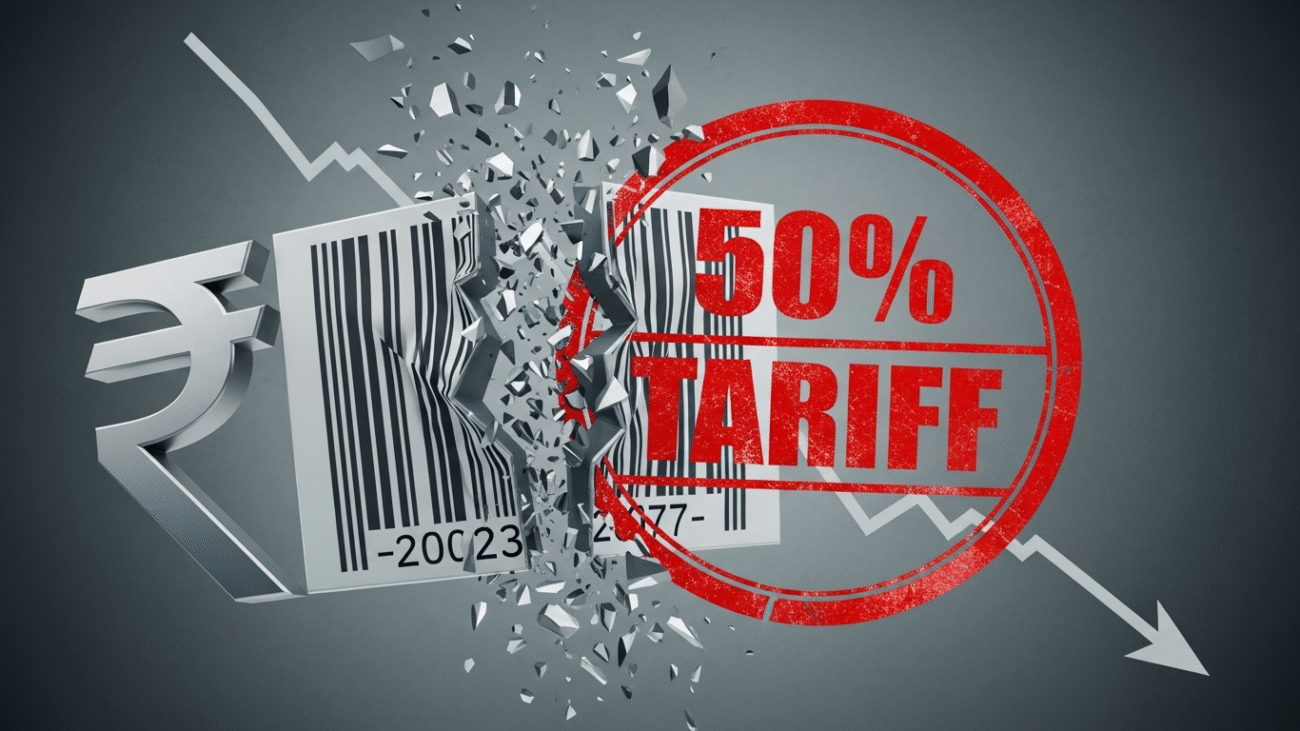
The first week of November 2025 was dominated by two opposing narratives in global trade policy: fragile de-escalation between the world’s two largest economies (US and China), and a severe, documented crisis in India’s export relationship with its most critical partner, the United States. A new report this week detailed a catastrophic drop in Indian exports to the US following the imposition of high tariffs, demanding urgent policy intervention from New Delhi.
1. The US-India Crisis: Exports Plunge 37.5%
The most alarming news this week came from an analysis by the Global Trade Research Initiative (GTRI), which documented one of the sharpest short-term collapses in India’s export history.
- The Sharp Decline: India’s total exports to the United States plummeted by 37.5% between May and September 2025. This means exports dropped from $8.8 billion to $5.5 billion in just five months, the period immediately following the initial US tariff hikes.
- Tariff Fallout: The decline is directly attributed to the reciprocal US tariff hikes, which started at 10% in April, escalated to 25% in August, and reached 50% by the end of August for India.
- Biggest Casualties:
- Smartphones: Exports crashed 58% (from $2.29 billion in May to $884.6 million in September), wiping out massive gains made earlier in the year.
- Gems and Jewellery: This crucial labor-intensive sector collapsed by nearly 60%, severely impacting manufacturing hubs like Surat and Mumbai.
- Solar Panels: Plunged 60.8%, as India’s competitive edge eroded against rivals like China (30% tariff) and Vietnam (20% tariff).
- Labour-Intensive Sectors: Overall, sectors like textiles, chemicals, and agri-foods, which account for nearly 60% of US-bound exports, suffered a 33% contraction.
- The Competitor Effect: The GTRI report was stark, noting that Thailand and Vietnam have swiftly captured market share lost by Indian exporters, underscoring the urgency for India to either secure a new deal or implement strong domestic support measures (like enhanced interest equalisation).
2. The US-China Truce: Temporary Relief, Long-Term Doubt
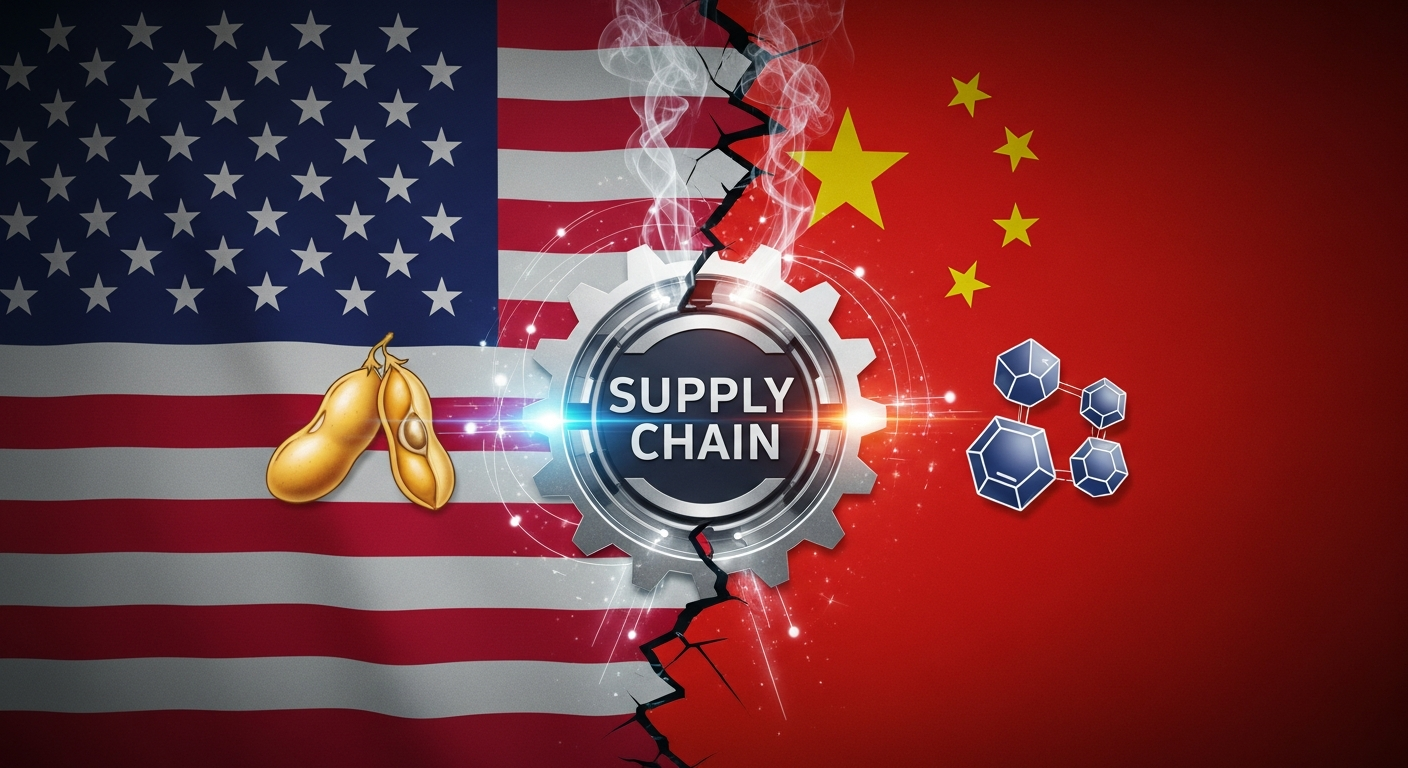
Following the high-level meeting late last week, the details of the one-year US-China trade truce were formalized and began to take effect this week. This de-escalation, however, is being described as a “fragile calm.”
- Key Concessions by US: The US will reduce tariffs on certain Chinese imports linked to fentanyl precursor chemicals by 10 percentage points, bringing the effective overall US tariff rate on Chinese goods down to approximately 47% (still historically high). The US also paused new port fees on Chinese-linked vessels.
- Key Concessions by China: China will suspend for one year its new rare-earth export controls and will issue general licenses for critical minerals like gallium and germanium. Crucially for American farmers, China committed to buying at least 12 million metric tonnes of US soybeans in the last two months of 2025.
- Implication: This truce offers short-term stability to global supply chains and commodity markets, especially for critical minerals, but it is temporary. Analysts believe the underlying strategic competition—and the high 47% tariff barrier—will continue to fuel uncertainty and drive long-term diversification efforts away from China.
3. WTO’s Dual Outlook: AI Boom vs. Tariff Bust
The World Trade Organization (WTO) released an update to its Global Trade Outlook, presenting a highly mixed picture that validates the need for platforms like The Exporter Hub to focus on resilient, high-growth sectors.
- 2025 Upgraded, 2026 Downgraded: The WTO raised its forecast for global merchandise trade volume growth for 2025 to 2.4% (up from 0.9%). However, it drastically lowered its projection for 2026 to a sluggish 0.5%.
- Why the Split? The better-than-expected 2025 performance is driven by two temporary factors:
- AI-Related Goods Boom: Trade in AI products (semiconductors, servers) surged, accounting for nearly half of all global trade growth in the first half of 2025.
- Front-Loading: Importers in North America have “front-loaded” purchases (machinery, motor vehicles) to build up inventory and get ahead of expected future tariff hikes.
- The 2026 Problem: The WTO warns that the full impact of the high US tariffs will shift into 2026 as companies draw down their stockpiled inventory and GDP growth slows. This signals a very bleak year ahead for overall trade volume growth.
Add a Comment