
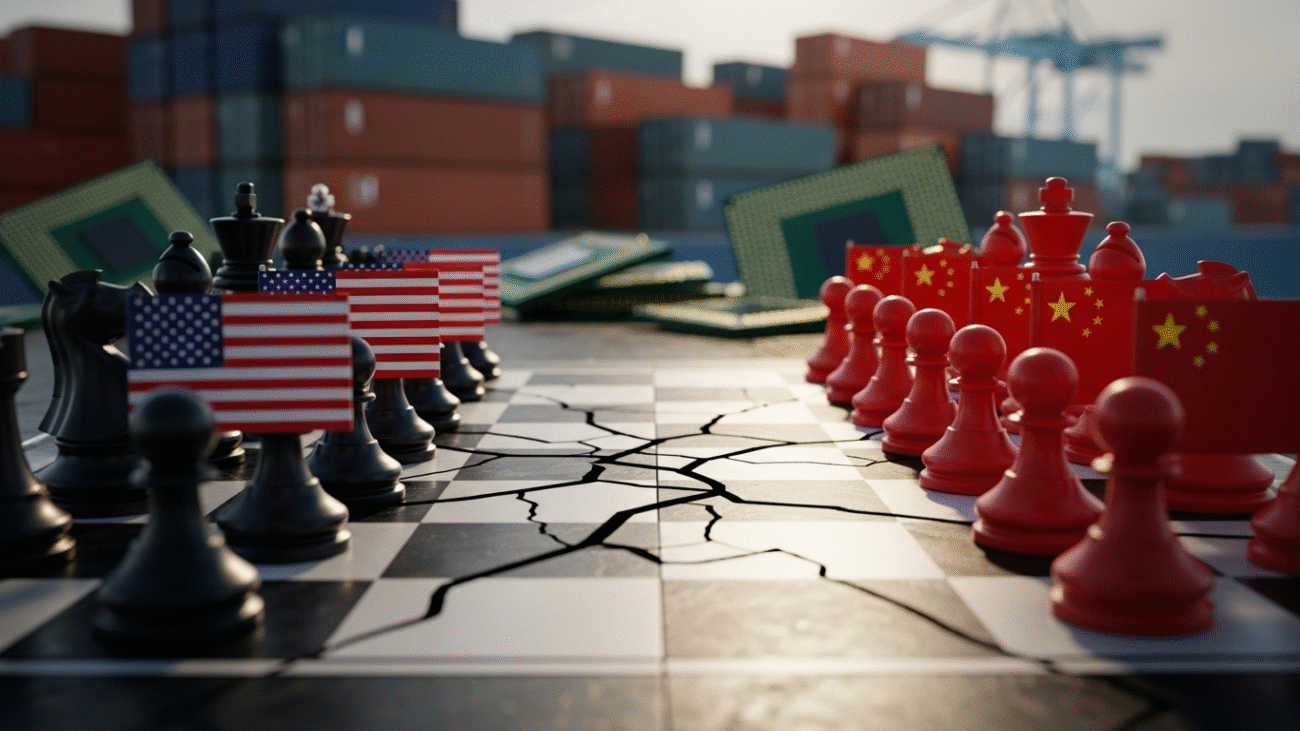
The period of October 12–18, 2025, confirmed that the global trading system is caught between the forces of technological progress and geo-economic fragmentation. While the World Trade Organization (WTO) and International Monetary Fund (IMF) highlighted unexpected strength in trade for the first half of 2025, new tariff threats and persistent supply chain bottlenecks are casting a long shadow over the future.
1. The US-China Trade Conflict: A New Brinkmanship
The single most significant development was the dramatic escalation in the trade dispute between the US and China.
Rare Earths and Retaliation
The conflict was reignited by China’s decision to impose sweeping export controls on rare earth materials, which are critical components for high-tech manufacturing, defense systems, and electric vehicles globally. The US responded aggressively, with President Donald Trump threatening to impose 100% tariffs on a broad range of Chinese imports, effectively creating a virtual embargo on certain goods.
- De-escalation Efforts: By the end of the week, both sides signaled a willingness to de-escalate. Chinese Vice Premier He Lifeng and US Treasury Secretary Scott Bessent agreed to hold a new round of in-person negotiations next week, aiming to stabilize the situation before the tariff threat deadlines.
- Global Impact: The instability forced the G7 nations to meet and coordinate a response, focusing on the urgent need to diversify critical supply chains to reduce reliance on China for rare earth elements. This presents a massive, strategic opportunity for other supplier countries, including India.
US Tariff Chaos and Uncertainty
The unpredictable nature of US trade policy continued to generate uncertainty. The IMF noted that in the absence of clear, transparent, and durable agreements, trade policy uncertainty remains elevated. This uncertainty often leads businesses to front-load orders, which temporarily boosts trade figures but creates a distorted and unsustainable pattern of demand.
2. The AI Paradox: Driving Growth Amid Fragmentation
Despite the tariffs and geopolitical tensions, global merchandise trade growth for 2025 was revised upward by the WTO. This resilience is largely attributed to an unexpected and significant surge in trade related to Artificial Intelligence (AI) goods.
- AI as a Growth Engine: Products such as advanced semiconductors, telecommunications equipment, and server infrastructure are fueling global commerce. This sector contributed to nearly half of the overall trade growth in the first half of 2025, signaling a fundamental shift in global commerce towards AI infrastructure.
- The 2026 Warning: The positive short-term boost, however, is not sustainable. The WTO lowered its 2026 projection for merchandise trade growth to a very weak 0.5% (down from 1.8% in August), warning that the structural challenges from trade fragmentation and policy uncertainty will hit harder next year. This is a critical factor for Indian exporters and manufacturers to plan around, particularly in sectors that supply AI components or are heavy users of imported technology.
3. Supply Chain Bottlenecks and Trade Costs
The week also saw new pressures on global logistics networks, further complicating the movement of goods for exporters like Shiv’s Assets Group (which deals in building materials).
- US-China Logistics Retaliation: China began imposing new port fees on US-owned, operated, or controlled vessels on October 14, mirroring recent US measures. These fees add to the cost of shipping and serve as another friction point in the trade relationship.
- European Port Disruptions: Strikes at major ports like Rotterdam and Antwerp continued to compound congestion, slowing container handling and worsening delays on the crucial Asia-Europe trade route, which is vital for Indian exports.
- India-Specific Logistics: Indian reefer (refrigerated) exports to the US, particularly seafood and frozen foods, have seen significant drops (30% to 50%) due to steep US tariffs, forcing carriers to cut capacity and find new routes, such as Ocean Network Express’s new reefer rail link from Hyderabad to Nhava Sheva to support steady pharmaceutical exports.
4. WTO Developments and India’s Stance
On the multilateral front, the WTO’s General Council was active.
- Fisheries Subsidies Agreement (FSA): The FSA came into effect in September, but the week’s news highlighted the ongoing concerns of developing nations, including India. While India seems prepared to ratify the FSA, it continues to demand a substantially extended Special and Differential Treatment (S&DT) clause, arguing that minimal aid to small-scale fishers should not be treated the same as the massive subsidies provided to industrial fleets in advanced economies. This position is vital for protecting the livelihoods of artisanal fishers in coastal communities.
- ICT Dispute Deferral: India and Taiwan jointly requested the WTO to delay the adoption of a ruling against India’s import duties on certain Information and Communications Technology (ICT) products until April 2026, signaling ongoing bilateral efforts to mutually resolve the long-standing dispute. This deferral is important as it provides a temporary shield for New Delhi’s “Make in India” efforts aimed at boosting local manufacturing.
Add a Comment