
Table of Contents
5 Strategic Ways to Reduce International Shipping Costs for Importers
Introduction: The Hidden Cost of Global Trade
For any importer, the landed cost of a product—the total cost from production to your warehouse—is the ultimate determinant of profitability. Often, the most volatile and controllable part of this cost is international shipping and logistics. Freight rates fluctuate wildly based on fuel prices, geopolitical events, and seasonal demand (like the peak shipping season before holidays).
However, viewing shipping as a necessary evil is a mistake. By implementing smart, strategic decisions, importers can transform their shipping spend from a cost center into a competitive advantage. This guide outlines five proven strategies you can use immediately to drastically reduce your international shipping and freight costs for TheExporterHub.com leads.
Strategy 1: Master the FCL vs. LCL Decision and Consolidate Shipments
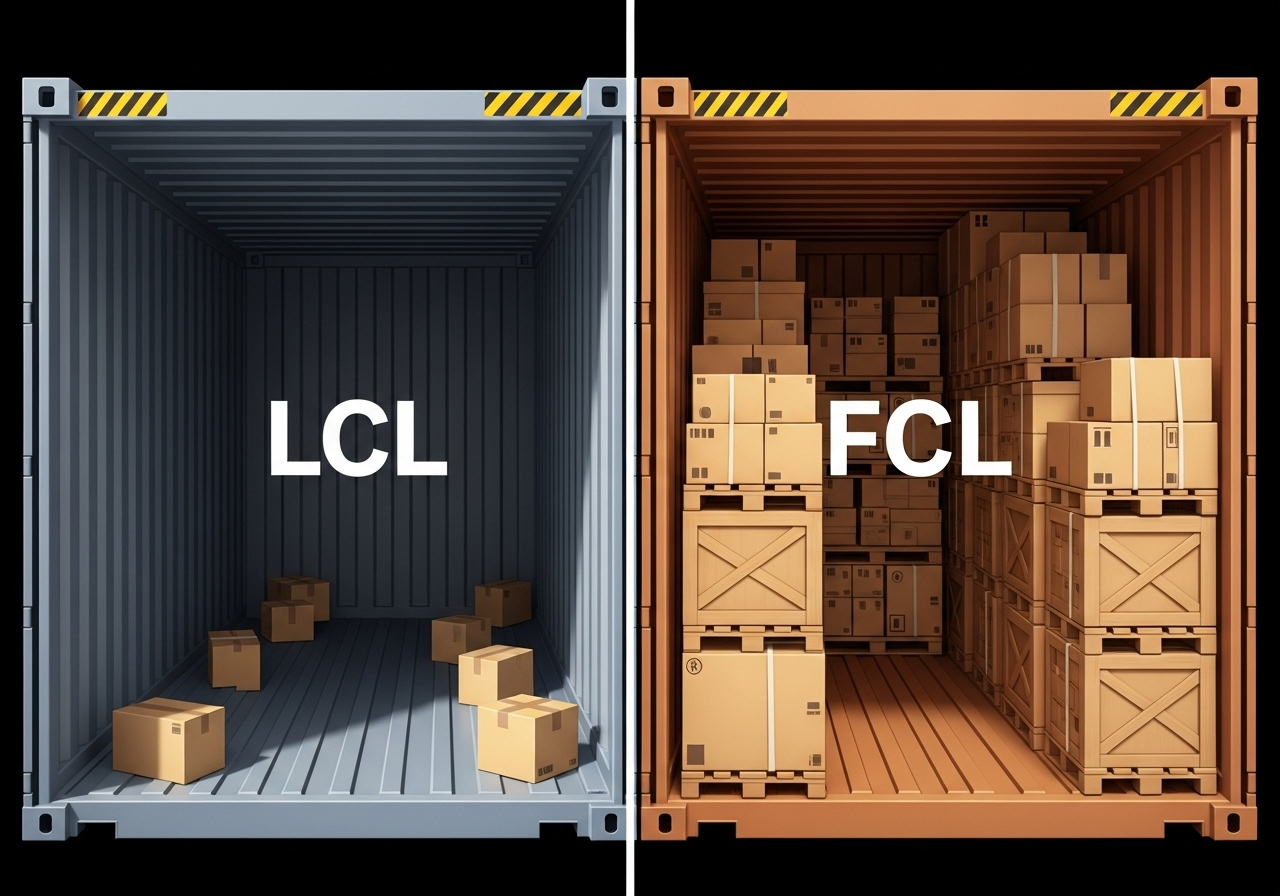
One of the biggest cost drains is paying for unused space. The first strategic decision an importer faces is choosing between Full Container Load (FCL) and Less than Container Load (LCL).
Understanding the Volume Breakpoint
- FCL (Full Container Load): You pay a flat rate for the exclusive use of an entire container (usually 20ft or 40ft), regardless of whether it’s full.
- Best for: Large, bulky shipments, high-value goods, or cargo that needs to be sealed and untouched for security. The cost per unit is much lower if the container is near capacity.
- LCL (Less than Container Load): You share container space with other shippers and only pay for the volume (Cubic Meter – CBM) your goods occupy.
- Best for: Small shipments (typically less than 13-15 CBM), frequent, smaller orders, and managing lower inventory levels.
The Cost-Saving Action: There is a “breakpoint” (usually around 13-15 CBM) where the total cost of LCL shipments (which includes handling, consolidation, and deconsolidation fees) suddenly becomes more expensive than simply booking a full FCL container. Your goal is to calculate this breakpoint accurately. If your cargo volume is close to this point, always opt for FCL.
Consolidation is Key: For importers who work with multiple suppliers, especially on TheExporterHub.com, you can drastically cut costs by using a freight forwarder to consolidate multiple LCL shipments from different suppliers into one single FCL shipment. This leverages the better FCL per-unit rate and minimizes multiple handling and documentation fees.
Strategy 2: Optimize Packaging to Minimize Dimensional Weight
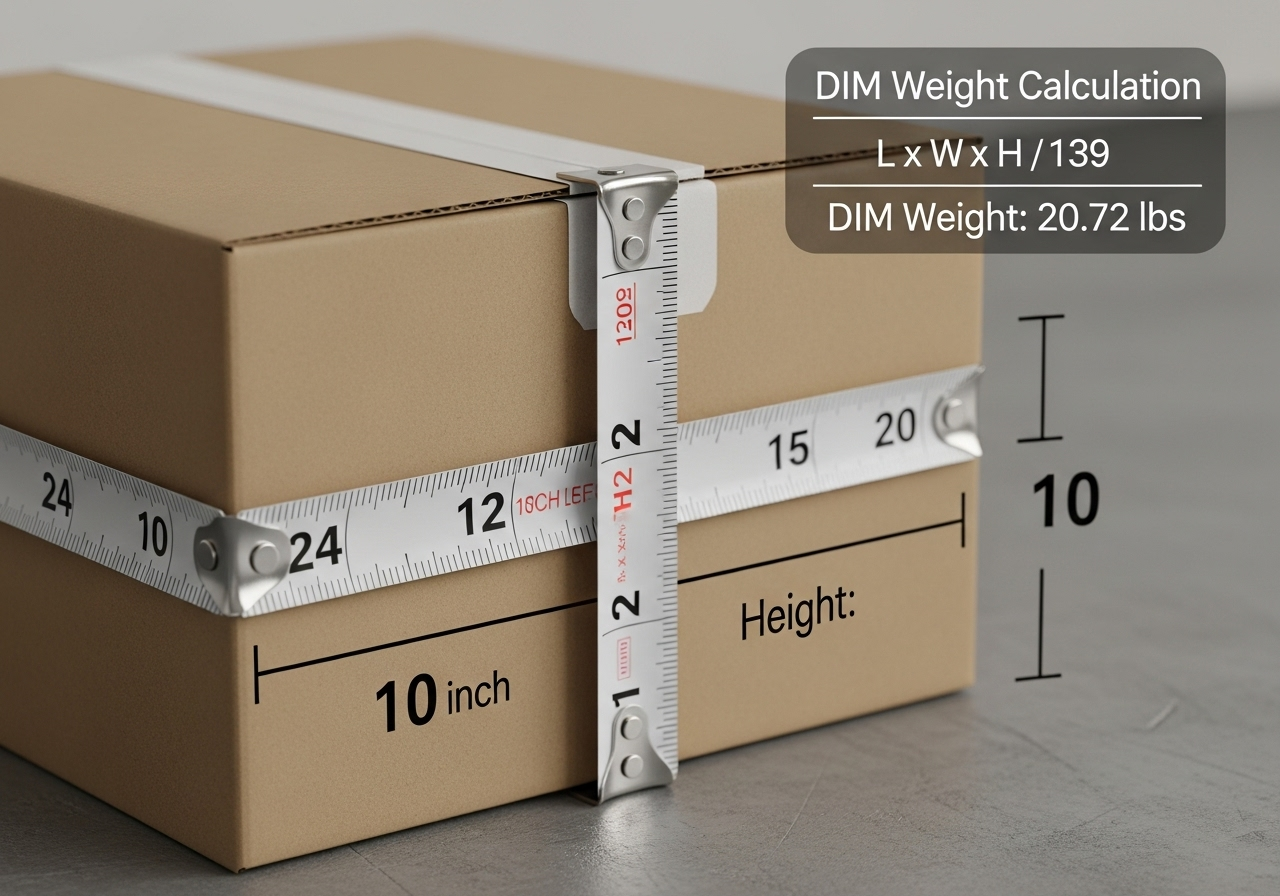
Shipping costs are often based on either the actual weight or the volumetric weight (also known as dimensional weight or DIM weight), whichever is greater. Dimensional weight is a calculation that factors in the size of the package.
- DIM Weight Formula: (Length×Width×Height)/DIM Factor
The Cost-Saving Action:
- Reduce Air Space: The “air” you ship is money wasted. Work with your suppliers to use the smallest possible packaging that still ensures product safety. This often means switching to right-sized boxes, using lightweight dunnage (infill material), or designing custom packaging.
- Use Lightweight Materials: For certain non-fragile goods, explore lighter, yet durable, packaging materials like poly bags instead of heavy cardboard boxes.
- Strategic Palletizing: Optimize how boxes are placed on a pallet (or inside a container) to maximize space utilization. A freight forwarder can assist with advanced load planning to ensure every centimeter of container space is effectively used. Maximizing container utilization can save you thousands of dollars per shipment.
Strategy 3: Negotiate Shipping Contracts Based on Volume and Loyalty

You do not have to accept the first rate quoted by a carrier or even a freight forwarder. Negotiation is a powerful tool, even for small to medium-sized importers.
The Cost-Saving Action:
- Consolidate Your Spend: Instead of using five different carriers or forwarders, try to stick with two or three. By consolidating your overall volume (e.g., promising a certain number of containers per month or quarter), you gain leverage to negotiate better base rates. Carriers reward loyalty and predictable volume.
- Negotiate Surcharges: Base rates are just the starting point. The real savings often lie in negotiating accessorial fees and surcharges, such as:
- Fuel Surcharges: Try to negotiate a cap on fuel surcharges to protect yourself from volatile oil prices.
- Peak Season Surcharges (PSS): These fees can significantly inflate costs during busy periods (like the pre-holiday rush). A strong contract can reduce or eliminate these.
- Compare and Benchmark: Get quotes from at least three different freight forwarders for every shipment. Use their rates to benchmark and negotiate the best possible deal. A transparent market overview is your strongest negotiating tool.

Strategy 4: Choose the Right Incoterms® for Control and Cost
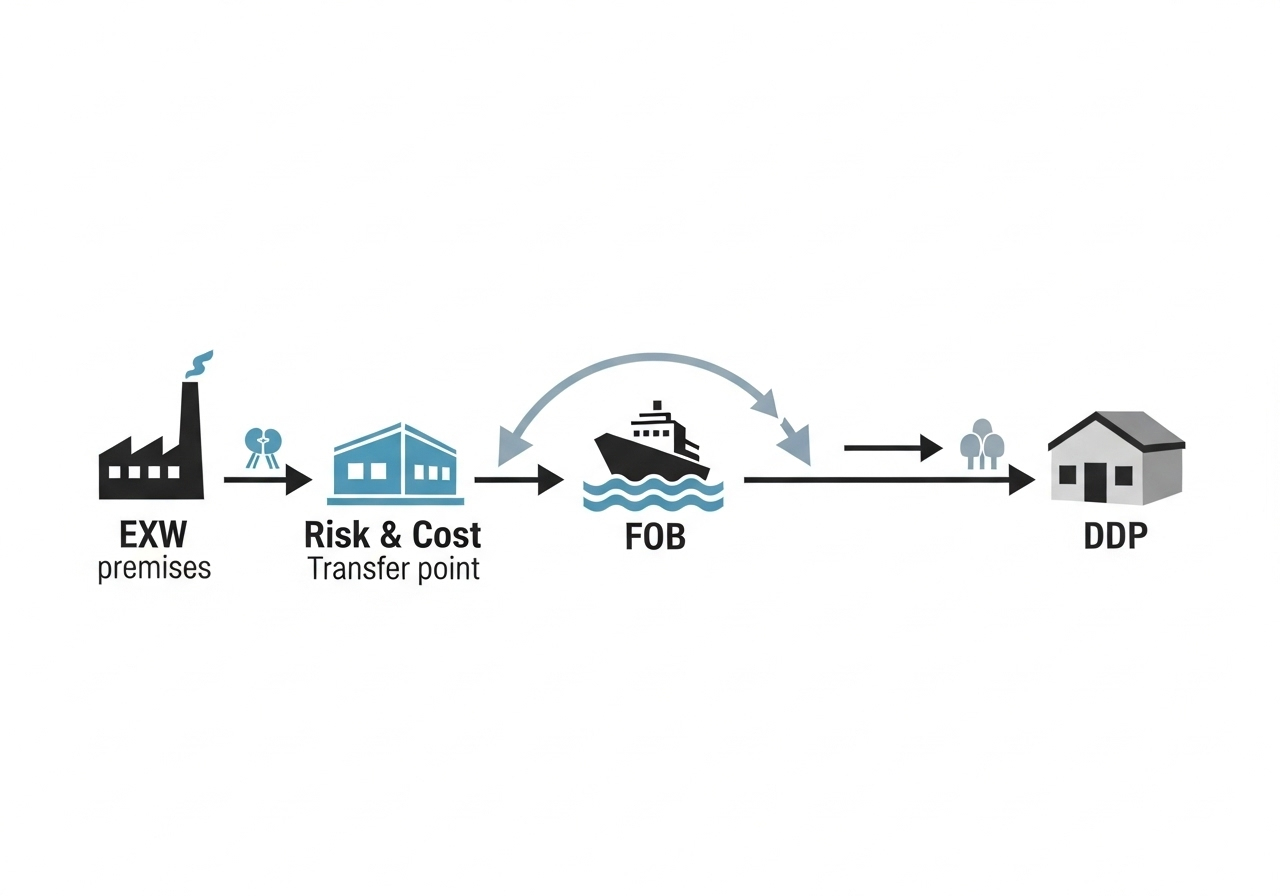
Incoterms (International Commercial Terms) define exactly where the cost and risk transfer from the seller (exporter) to the buyer (importer). Choosing the wrong term can lead to hidden costs and loss of control.
The Cost-Saving Action:
- Move Beyond CIF (Cost, Insurance, and Freight): While CIF is convenient (the supplier handles everything up to the destination port), they often use carriers they prefer, and the shipping costs may be “padded.”
- Opt for FOB (Free On Board):FOB is often the most cost-effective choice for experienced importers. With FOB, the supplier is responsible for getting the goods to the designated port and loaded onto the vessel. From that point, you (the importer) take control of the main freight journey. This allows you to:
- Select your own freight forwarder, ensuring you get the best negotiated rates (as per Strategy 3).
- Control the shipping schedule, allowing you to ship during off-peak times (as per Strategy 5).
- Be Aware of DDP (Delivered Duty Paid): While DDP is convenient (the supplier handles everything, including your import duties), they often add a large margin to cover their risk, making it an expensive option. Only use DDP if you have no other choice.
Strategy 5: Embrace Planning and Technology for Predictive Savings
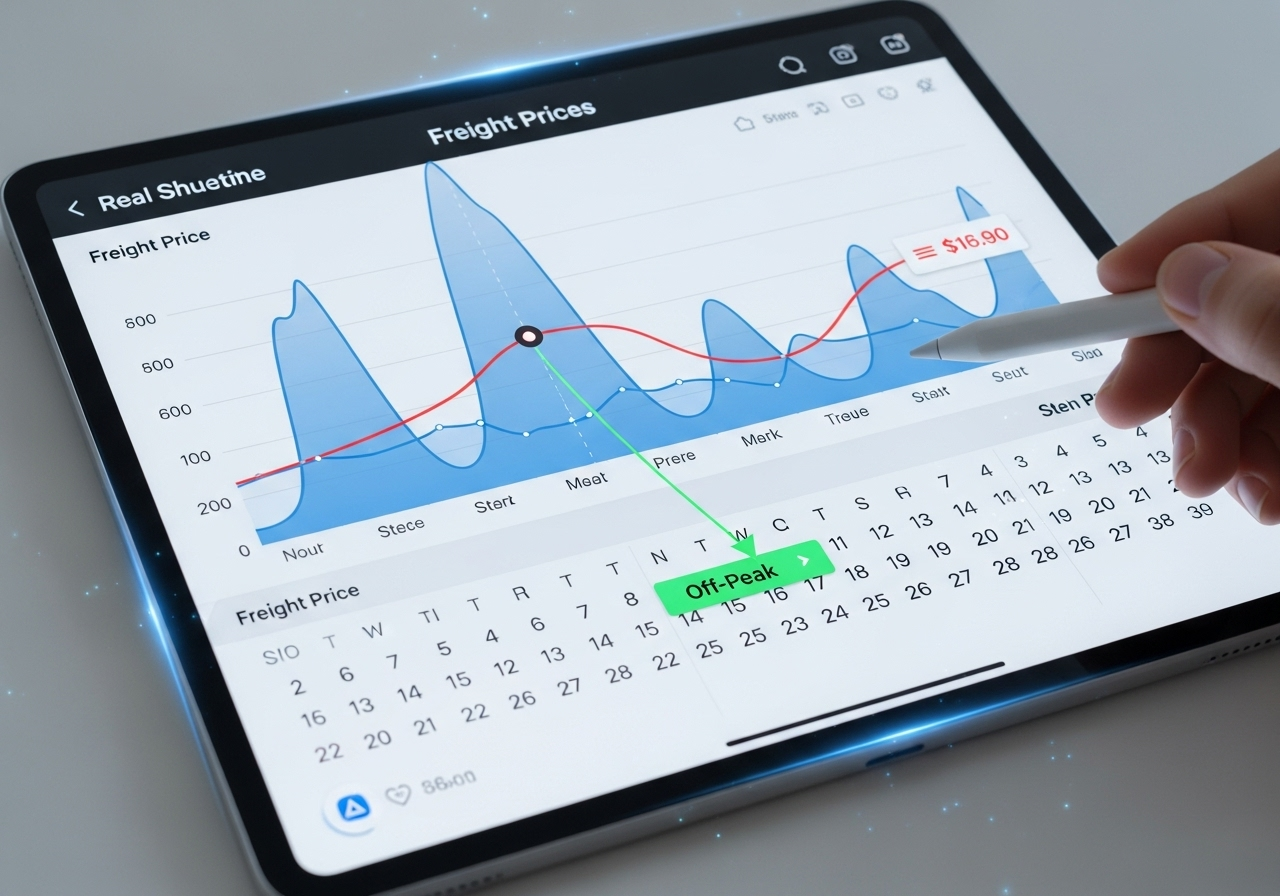
The most expensive shipping is usually urgent shipping. Planning ahead gives you the luxury of choosing the cheapest, albeit slowest, option.
The Cost-Saving Action:
- Ship During Off-Peak Times: Sea freight costs are heavily influenced by demand. Shipments around major global holidays (e.g., Chinese New Year, Christmas) and during peak retail seasons are always more expensive. Plan your inventory to ship well in advance of these windows.
- Conduct Freight Audits: Shipping invoices are complex and prone to errors. Implement a system (either manual or via a Third-Party Logistics/3PL provider) to audit every single freight bill. Check for discrepancies in weight, incorrect tariffs, or duplicated accessorial fees. A good audit can save 5-10% in overcharges annually.
- Leverage Digital Platforms: Use digital freight booking platforms (like those used by your freight forwarder or 3PL) to compare real-time rates across multiple carriers. This takes the guesswork out of rate shopping and ensures you always choose the most cost-effective route and service.
Conclusion: Shipping as a Strategic Lever
Reducing international shipping costs is not about cutting corners; it’s about optimizing your supply chain through knowledge and negotiation. By mastering your cargo volume (FCL vs. LCL), optimizing packaging, negotiating aggressively, choosing the right Incoterms, and planning strategically, you can gain greater control over your landed costs.
Lower shipping costs directly translate into higher profit margins and better pricing for your customers. Start implementing these five strategies today to turn your logistics from a financial burden into a sustainable competitive advantage.
Ready to find an exporter who can work with your cost-saving Incoterms? Submit your Request for Quote (RFQ) on TheExporterHub.com now to connect with verified global suppliers.
[…] CFR is widely used, particularly for non-containerized cargo, bulk commodities, and heavy industrial goods shipped via conventional ocean freight. It is a natural step up from FOB for exporters on platforms like TheExporterHub.com who want to offer a more inclusive, competitive price that covers the cost of international shipping. […]
[…] Perspective: This is the riskiest method. The importer trusts the exporter completely to ship the goods as agreed and on […]
[…] the natural pungency and flavor of the produce while significantly extending shelf life and reducing shipping costs for international […]